Blog

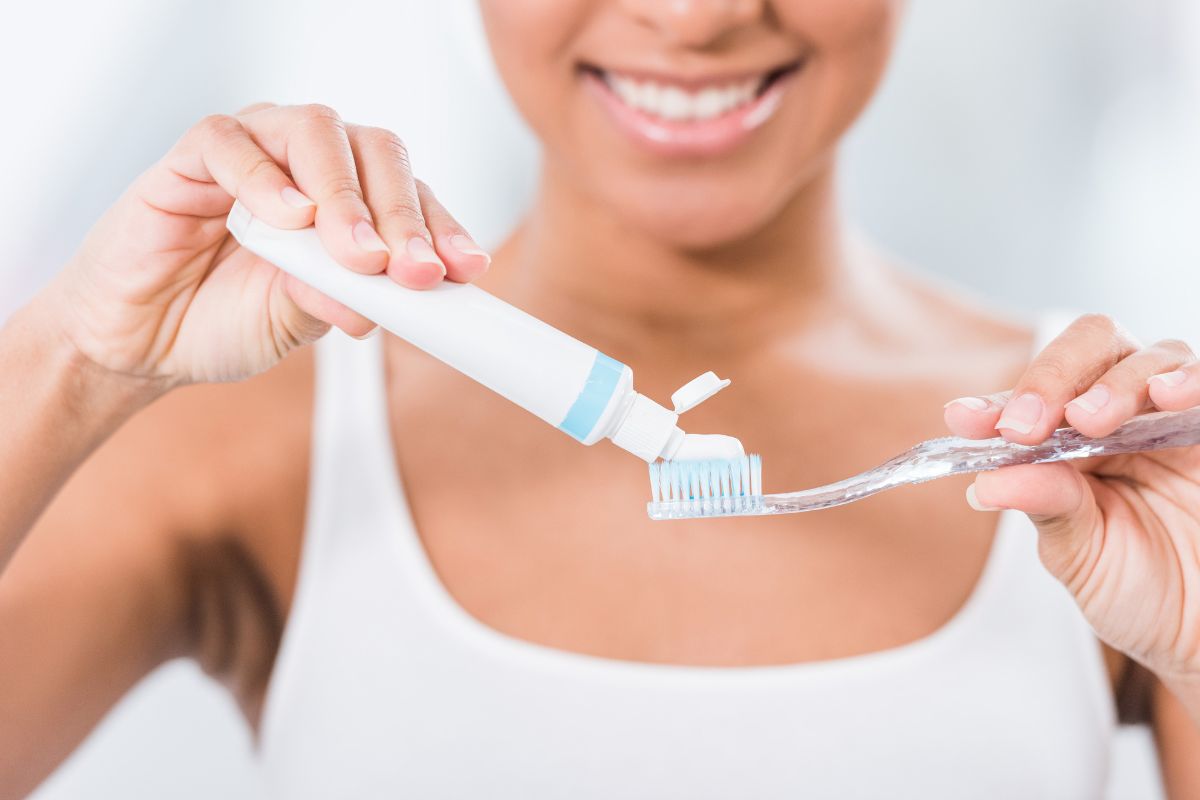
You just had a tooth extracted, and the first thing on your mind is returning to your routine. A big part of that routine is a clean, fresh mouth. But you’re likely wondering, “When can I use toothpaste after tooth extraction?” The answer isn’t as simple as you might think. Brushing too soon or aggressively can cause significant problems, including a painful dry socket. Protecting the delicate healing process is your top priority.
A successful tooth removal procedure depends heavily on proper aftercare. Immediately following the extraction, your body forms a blood clot in the empty socket. This clot is critical to the healing process; it protects the bone and nerve endings underneath. Disrupting this clot, even with a gentle brush, can set your recovery back. So, let’s break down the post-extraction timeline to help you confidently navigate your oral hygiene.
The First 24 Hours: A No-Brush Zone
This initial period is the most critical for clot formation. Do not brush or floss any teeth near the extraction site. Instead, focus on keeping your mouth clean and fresh without disturbing the healing socket. Your dentist likely recommended a saltwater rinse. To remove food debris and bacteria, you can gently swish a warm saline solution (1/2 teaspoon of salt in 8 ounces of water). Remember, swish gently; don’t spit with force, as that pressure can dislodge the clot.
Days 2-3: Easing Back into a Routine
By the second day, your mouth should feel a little better, and you can slowly reintroduce brushing. Use a soft-bristle toothbrush and a minimal amount of toothpaste. You must be extremely careful around the extraction site. Brush your other teeth as usual, but avoid the area where the tooth was removed. You can gently brush the teeth next to the socket, but do not touch the wound. Continue using the gentle saltwater rinses, swishing and letting the water fall out of your mouth rather than spitting.
The One-Week Milestone and Beyond
After about a week, you’ve made excellent progress. The clot is now more stable, and the soft tissue has started to heal over the socket. You can brush your teeth on both sides of the extraction site more confidently. Continue using a soft brush and avoid putting direct pressure on the healing area. You can also reintroduce your regular toothpaste. As the days and weeks pass, you can slowly return to your regular brushing and flossing routine. However, always listen to your body. If you feel any pain or see signs of bleeding, reduce your pressure or consult with your dentist.
Essential Toothpaste Tips for Post-Extraction Care
- Choose a Non-Abrasive Toothpaste: Opt for a toothpaste without harsh abrasives or whitening agents, which can irritate the healing tissue. A simple fluoride toothpaste is a great choice.
- Use a Soft-Bristled Brush: A soft brush is non-negotiable. It protects the fragile gums and the healing clot.
- Be Mindful of Your Pressure: Brush gently, using small circular motions. Never scrub the healing site.
When You Should Contact Your Dentist
While most recoveries are smooth, complications can happen. If you experience severe pain that isn’t relieved by medication, notice a foul odor or bad taste, or see signs of a dislodged clot (a dry socket), contact our dentist in Pearland immediately. They are your best resource for ensuring a healthy and complete recovery.
A smooth recovery after a tooth extraction is a team effort. You and your dental professional play key roles. By following these simple guidelines, you can protect your healing and ensure you get back to a healthy smile quickly.