Blog

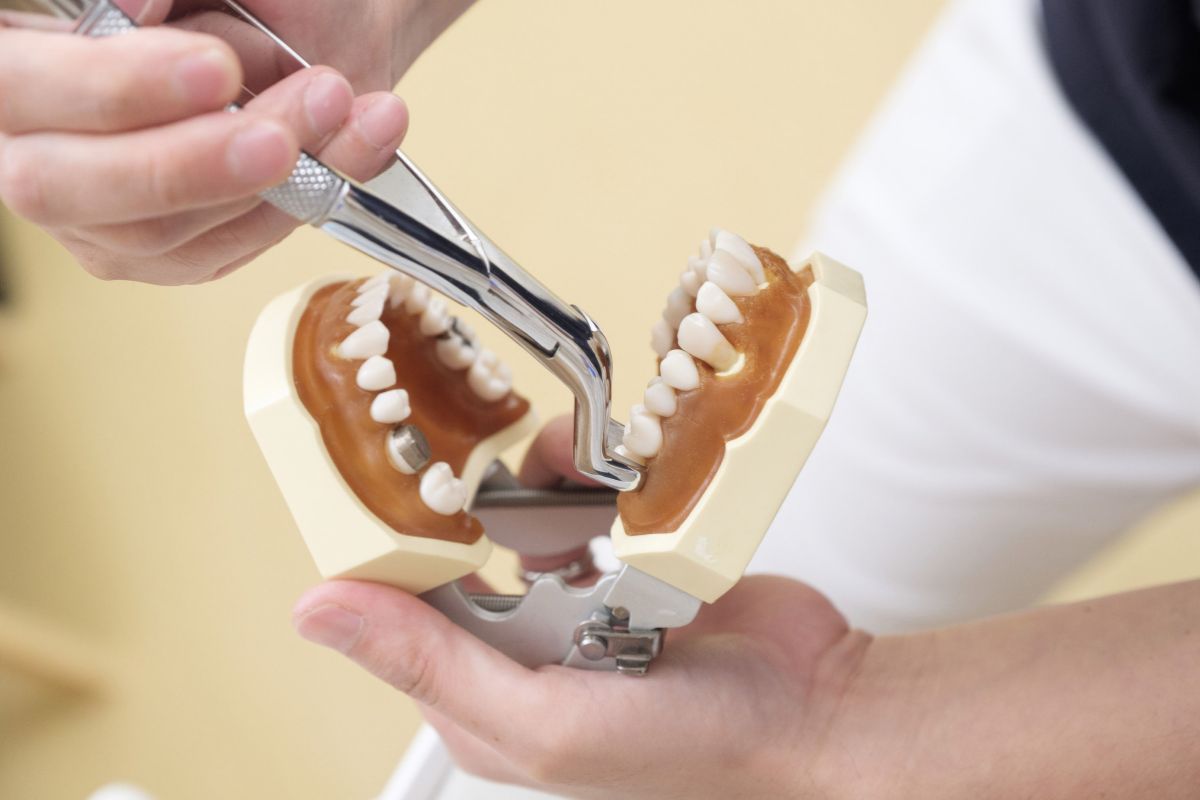
Many people feel nervous when their dentist mentions wisdom tooth extraction—but is it always necessary? The truth is, not everyone needs their wisdom teeth removed. Whether or not you can keep them depends on your unique oral health and how those final molars grow in. Dentists assess each case individually, utilizing advanced imaging and meticulous monitoring to determine the most effective approach.
What Are Wisdom Teeth, and Why Do They Cause Problems?
Wisdom teeth, also known as third molars, usually appear between the ages of 17 and 25. For some people, these teeth come in straight and healthy. For others, they cause problems like pain, swelling, or infection. Because our jaws are often too small to accommodate these extra teeth comfortably, wisdom teeth may grow sideways or become impacted, meaning they are stuck below the gum line. When that happens, they can press against nearby teeth, triggering inflammation and even damaging bone or nerves.
When Wisdom Tooth Extraction May Be Avoided
You might not need extraction if your wisdom teeth grow in properly and remain easy to clean. If they’re fully erupted, aligned with your other molars, and free of pain or infection, your dentist may recommend keeping them. The key is regular checkups and digital X-rays to make sure they stay problem-free. Good brushing and flossing habits, especially around the back of the mouth, also help prevent food buildup and gum irritation.
However, if you notice pain, swelling, or difficulty cleaning your back molars, it’s time to schedule a dental visit. Early detection makes a big difference—and in some cases, it can help you avoid more complex procedures like wisdom tooth removal later on.
When Dentists Recommend Extraction
Sometimes, extraction is the safest and healthiest choice. Dentists usually suggest removing wisdom teeth when:
- They’re impacted or growing at an angle.
- There’s pain, swelling, or recurring infection.
- Cavities or cysts form around the tooth.
- They push other teeth out of alignment.
Leaving problematic wisdom teeth untreated can lead to serious oral health issues down the line, including damage to neighboring teeth or bone. For this reason, many dentists prefer to remove them early—often in the late teens or early twenties—before the roots are fully developed and the bone becomes denser.
How Dentists Decide: Personalized Evaluation
No two patients are alike. That’s why dentists rely on detailed exams and imaging before making any recommendations. They evaluate the tooth’s angle, position, and impact on your bite alignment. For some patients, a “wait and watch” approach works best, with periodic monitoring to ensure the teeth aren’t causing harm. For others, proactive removal helps protect long-term oral health.
Tips to Keep Wisdom Teeth Healthy
If your dentist advises keeping your wisdom teeth, proper care is essential.
- Brush and floss carefully around the back molars.
- Use an antimicrobial mouth rinse to reduce bacteria.
- Schedule professional cleanings twice a year.
- Watch for red or swollen gums, bad breath, or jaw pain—these could be early warning signs of trouble.
Trust Sage Dental–Pearland for Expert Wisdom Tooth Care
If you live in Pearland, Texas, or nearby areas, our friendly team at Sage Dental—Pearland is here to help you make the best decision about your wisdom teeth. Whether you want to avoid extraction or need gentle, expert care for wisdom tooth removal, we’ve got you covered.
Pearland residents: Schedule your consultation today and find out whether your wisdom teeth can stay—or if removal is the right choice for your oral health.