Blog


Tooth extractions are a common procedure, but they require proper care during the recovery process. After your removal, it’s crucial to monitor how you’re healing to avoid complications. Baytown’s warm climate can sometimes affect the healing process after a tooth surgery. If you’re noticing increased swelling or discomfort, it might be time to consult your dentist for further care. While most people recover without any issues, there are a few signs that indicate you might need to call your dentist in Baytown for further assistance. This blog will guide you through the 6 key signs that may signal something’s wrong after a tooth extraction and when you should seek professional help.
What Are the Signs That You Should Call Your Dentist?
Enjoying the local charm of Baytown’s Bayshore Park while recovering from your extraction is a great idea. However, you need to make sure you’re keeping up with your post-care instructions. You should reach out to your dentist if something feels off. Here are the most common 6 symptoms that mean you need to call your dentist immediately:
1. Severe Pain That Doesn’t Improve
After your extraction, some discomfort is normal. You may experience mild pain or soreness, but it should subside within a few days. If the pain becomes severe or doesn’t improve with over-the-counter pain relief, it could be a sign of a problem like an infection or dry socket.
What to Do:
If the pain persists or worsens, it’s time to reach out to your dentist for advice and possibly an appointment.
What Not to Do:
Avoid ignoring the pain or relying solely on home remedies. It could delay your recovery.
2. Excessive Swelling or Redness
Swelling around the surgical site is normal, but excessive or prolonged swelling may indicate infection or complications. If you notice that the swelling isn’t going down after the first few days, or if it gets worse, this is a sign to contact your dentist in Baytown.
What to Do:
Apply a cold compress to the area, but if the swelling doesn’t decrease within a few days, call your dentist.
What Not to Do:
Don’t apply heat to the swollen area. This can worsen the swelling and discomfort.
3. Continuous Bleeding After Several Hours
After the removal, some bleeding is expected, but it should stop within a few hours. If you find that bleeding continues after several hours, or if it’s soaking through the gauze, it may indicate that the blood clot has been dislodged or that there’s an underlying issue.
What to Do:
Bite gently on a clean gauze to help control bleeding, and if the bleeding doesn’t stop, call your dentist immediately.
What Not to Do:
Do not panic, but avoid vigorous actions like sucking, drinking through straws, or spitting, as they can dislodge the clot.
4. Difficulty Breathing or Swallowing
If you experience difficulty breathing or swallowing after your tooth removal, this could be a serious complication. It could indicate an infection or swelling that is obstructing your airways.
What to Do:
Seek emergency dental or medical care immediately if you’re having trouble breathing or swallowing.
What Not to Do:
Don’t wait or try to resolve the issue on your own. Call your dentist or visit an emergency room as soon as possible.
5. Foul Taste or Odor in Your Mouth
A foul taste or unpleasant odor in the mouth can indicate an infection in the surgical site. This is often caused by food debris or bacteria that have gotten trapped in the site.
What to Do:
Rinse your mouth with warm salt water to help with the bad taste and reduce bacteria. If the taste or odor persists, it’s time to call your dentist.
What Not to Do:
Avoid brushing the surgical site directly unless directed by your dentist, as it could irritate the area.
6. Fever or Chills
A fever after a tooth removal is a sign that there might be an infection in the area. Fever accompanied by chills should never be ignored, as it could point to a more serious issue like a deep infection.
What to Do:
If you develop a fever, contact your dentist immediately. They may recommend antibiotics or other treatments.
What Not to Do:
Don’t attempt to treat the fever with over-the-counter medications alone. It’s essential to consult your dentist to prevent further complications.
What Is Tooth Removal Recovery Like?
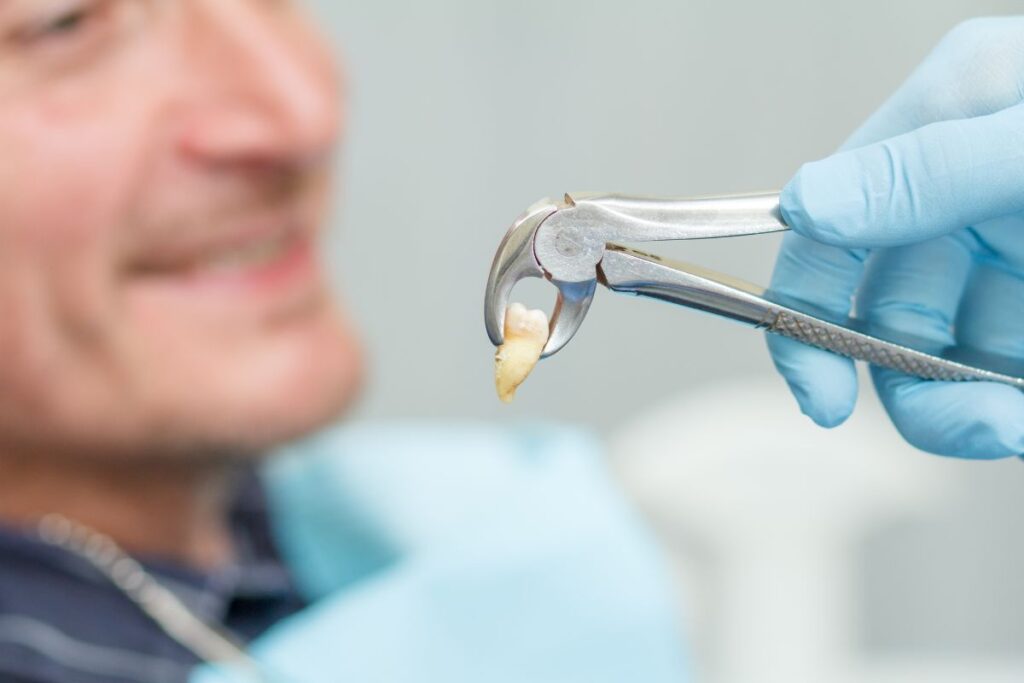
Tooth extraction recovery varies for everyone, but most people experience mild discomfort, swelling, and bleeding that subsides within a few days. It’s essential to follow your post-surgery dental care instructions to ensure a smooth recovery. Keeping your surgical site clean, avoiding smoking, and following up with your dentist are all crucial for healing properly. However, to replace your missing teeth, you can consider dental implants. Since they are an effective and stable way to replace your lost teeth, they protect your oral health from further issues.
How Can I Prevent Complications After a Tooth Extraction?
If you’re experiencing discomfort from your tooth removal while attending events at Goose Creek Memorial Park, be sure to call your dentist. Dental care after surgery plays a significant role in your recovery. Here are a few tips to help prevent complications:
- Follow post-operative care instructions carefully.
- Eat soft foods for the first few days.
- Avoid smoking as it can interfere with healing.
- Keep the extraction site clean to prevent infection.
- Use a cold compress to reduce swelling in the first 24-48 hours.
Following these steps will reduce your risk of complications and ensure a quicker, more comfortable recovery.
Patient Review: A Seamless Experience at Sage Dental
“This is for E Ross. The way I was treated was exceptional! I had two teeth that needed to be extracted. This is the first time in my life that I felt no pain during an extraction. I am extremely pleased!” — Belinda George.
At our dental office, we strive to provide adequate care for all our patients. Call your Baytown dentist now to ensure comfort and safety during every step of your dental journey.
Ensure a Smooth and Swift Recovery After Your Tooth Extraction!
Are you experiencing any discomfort or have concerns about your recovery after a tooth extraction? At Sage Dental – Baytown, we are committed to providing exceptional dental care. Don’t hesitate to call our dentist in Baytown now for a consultation. Schedule your emergency appointment, and let us help you recover smoothly!
Frequently Asked Questions
Q1: What are the signs of dry socket after tooth extraction?
Dry socket occurs when a blood clot is dislodged, leading to severe pain. Signs include intense pain a few days after the removal and a bad odor or taste in your mouth. If you experience this, contact your dentist immediately.
Q2: How long does tooth extraction recovery normally take?
Usually, recovery happens within 1-2 weeks, but it can take up to 6 weeks for complete healing. The exact time will vary depending on how complex the removal was and your overall health, so it’s okay to be patient with your body as it heals.
Q3: Is it normal to have swelling 3 days after extraction?
It’s common to experience some swelling during the first 2-3 days. However, if the swelling keeps getting worse or becomes painful, it could be a sign of infection. In that case, don’t hesitate to reach out to your dentist. We’re here to help you through this!
Q4: What should I do if bleeding won’t stop after a tooth extraction?
If bleeding persists after a few hours, try biting gently on a gauze pad and applying gentle pressure. If the bleeding doesn’t stop or seems to be heavy, don’t hesitate to call your dentist for advice. They’re there to help you through it!
Q5: How can I prevent infections after a tooth extraction?
To keep your healing smooth and comfortable, please follow your post-operative care instructions carefully. Remember to keep the surgical site clean, avoid smoking, and enjoy soft foods as recommended. If you notice any signs of infection, don’t hesitate to contact your dentist right away; your prompt action will help ensure a smooth recovery!