Blog

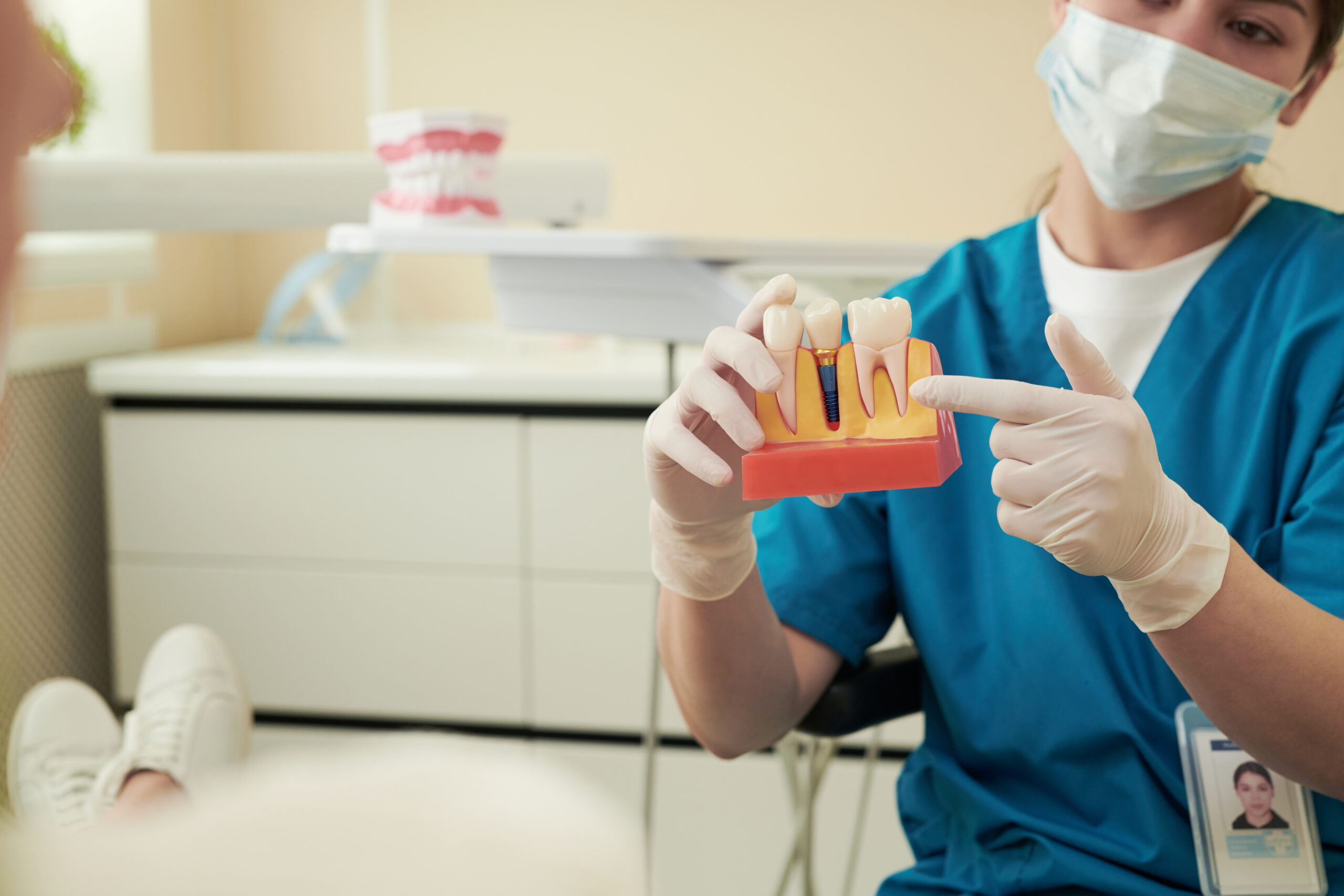
Dental implant surgery is a major step toward restoring your smile, yet many patients share the same concern once treatment is complete: “What can I eat without harming my implant?” It’s normal to feel anxious about recovery, discomfort, and making a mistake that could slow healing. The good news is that with the right food choices and clear guidance from a trusted dentist, recovery can feel far less stressful.
At Sage Dental, we believe that patient education plays a key role in successful healing. Below, you’ll find practical, easy-to-follow advice on eating after implant surgery, shared with the care and clarity our Baytown patients expect.
Caring for Patients with Skill, Experience, and Compassion
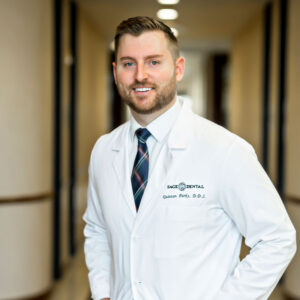
Behind every successful dental implant is a dentist who understands both the science and the patient experience. Dr. Quinton Parks brings a unique background to Sage Dental. Before earning his Doctor of Dental Surgery degree from the University of Colorado School of Dental Medicine, he worked as a dental lab technician, crafting custom crowns, dentures, and implants. This hands-on experience allows him to approach implant care with precision and insight.
Dr. Parks takes pride in treating each patient with respect, compassion, and honesty. His goal is not only to restore smiles but also to make every visit comfortable and reassuring.
Why Diet Matters After Dental Implant Surgery
Dental implants need time to integrate with your jawbone. During this healing phase, the surrounding tissue remains sensitive. Eating the wrong foods too soon can irritate the area or place unnecessary pressure on the implant.
By following a structured eating plan, you can:
- Reduce swelling and tenderness
- Protect the surgical site
- Support proper bone and tissue healing
- Feel more confident during recovery
Patients searching for dental implants often overlook how much diet influences long-term success. Fortunately, small adjustments can make a big difference.
First 24–48 Hours: Gentle Foods Only
Right after surgery, your mouth needs to rest. Focus on foods that are soft, cool, and easy to swallow.
Recommended foods include:
- Smooth yogurt (without fruit chunks)
- Applesauce
- Protein shakes or meal replacement drinks
- Mashed bananas
- Lukewarm broth or blended soups
Avoid hot foods during this stage, as heat may increase swelling. Also, skip straws, since suction can disrupt the healing site.
Days 3–7: Soft, Nourishing Meals
As discomfort begins to ease, you can slowly add more texture while staying cautious.
Good options during this phase:
- Scrambled eggs
- Mashed potatoes or sweet potatoes
- Oatmeal or cream of wheat
- Cottage cheese
- Soft, flaky fish
- Well-cooked pasta
Many families in Baytown appreciate simple, home-cooked meals during recovery, especially given the warm climate where lighter foods often feel more comfortable.
Foods to Avoid While Healing
Certain foods can interfere with healing or increase irritation. It’s best to avoid them until your dentist confirms it’s safe.
Hold off on:
- Crunchy foods like chips, nuts, and popcorn
- Sticky candies or chewing gum
- Spicy or acidic dishes
- Hard bread or crusty rolls
- Alcohol and carbonated drinks
These items can place stress on the implant area and slow healing.
Gradually Returning to a Normal Diet
Most patients begin reintroducing firmer foods after two to three weeks. However, you should chew away from the implant site until Dr. Parks confirms proper healing. Transition slowly and pay attention to how your mouth feels.
If discomfort returns, pause and return to softer foods for a few more days.
Local Climate Tips for Implant Recovery
Baytown’s heat and humidity can sometimes increase swelling after oral surgery. Staying hydrated helps reduce inflammation and supports healing. Cool, soft foods often feel soothing, especially during warmer months.
Meet Your Baytown Dentist: Dr. Quinton Parks
Dr. Quinton Parks proudly serves the Baytown community with a patient-first philosophy. He combines advanced dental technology with genuine care, ensuring every patient feels comfortable and informed. As a member of national dental organizations and an experienced clinician, Dr. Parks remains committed to ongoing education and excellence in care.
Outside the office, he enjoys spending time with his wife and six children, coaching little league baseball, golfing, and enjoying outdoor activities—values that reflect his strong connection to family and community.
What Patients Are Saying
“I take my little one here, and the staff is always very attentive to her needs. They’re patient, caring, and make sure she’s comfortable. Anytime I have questions, they’re open and willing to answer. I really appreciate the level of care and communication.”
— D. Jack
Schedule Your Dental Implant Consultation Today
If you’re considering dental implants or preparing for recovery, personalized guidance matters. Sage Dental proudly helps patients find comfort, clarity, and long-term results with implant care.
Booking is easy, and our friendly team is always ready to answer your questions. Schedule Your Appointment Today and Choose a dentist near Baytown who puts your comfort first.
Frequently Asked Questions About Eating After Dental Implant Surgery
1. How long should I eat soft foods after implant surgery?
Most patients follow a soft-food diet for one to two weeks, depending on healing progress.
2. Can I drink coffee after dental implant surgery?
You can usually resume warm beverages after 48 hours, but avoid extreme heat initially.
3. Is pain normal after eating after surgery?
Mild tenderness is expected, especially during the first week.
4. Are smoothies safe after dental implants?
Yes, smoothies are an excellent choice. Avoid using a straw during early healing.
5. When can I eat solid foods again?
Many patients can return to normal foods within three to four weeks, with dentist approval.
6. Does diet affect implant success?
Yes. Proper nutrition supports bone healing and reduces inflammation.
7. Should I take supplements during recovery?
Only take supplements if recommended by your dentist or physician.
8. What should I do if I feel pain while chewing?
Stop eating and contact your dentist for guidance.
Final Thoughts
Eating after dental implant surgery doesn’t have to feel overwhelming. With the right food choices, clear instructions, and support from a trusted local dentist, recovery becomes smoother and more predictable. Dr. Quinton Parks and the team at Sage Dental are here to guide you every step of the way—so you can heal with confidence and enjoy your new smile.