Blog

Losing a tooth affects more than just your smile. Many people do not realize that the jawbone under the missing tooth also starts to shrink over time. This bone loss can change the way your face looks, make chewing harder, and even affect nearby teeth.
This is one reason why many patients ask about Dental Implants after tooth removal. Dental implants do more than replace a missing tooth. They also help keep the jawbone healthy and strong.
At Sage Dental, we often see patients who are surprised to learn how quickly bone loss can begin after a tooth is removed. Understanding what happens inside your jaw can help you make better choices for your long-term oral health.
Why Does Bone Loss Happen After Tooth Removal?
Your jawbone needs regular pressure from chewing to stay healthy. Natural tooth roots send signals to the bone every time you bite or chew food. These signals tell the body to keep rebuilding and supporting the bone.
When a tooth is removed, that signal stops.
Without stimulation, the body begins to break down the unused bone in that area. This process is called bone resorption. It can begin within the first few months after losing a tooth.
Over time, bone loss may lead to:
- Changes in facial shape
- Sunken cheeks
- Shifting teeth
- Trouble chewing
- Weak support for nearby teeth
This is why replacing a missing tooth early matters.
How Dental Implants Help Protect the Jawbone
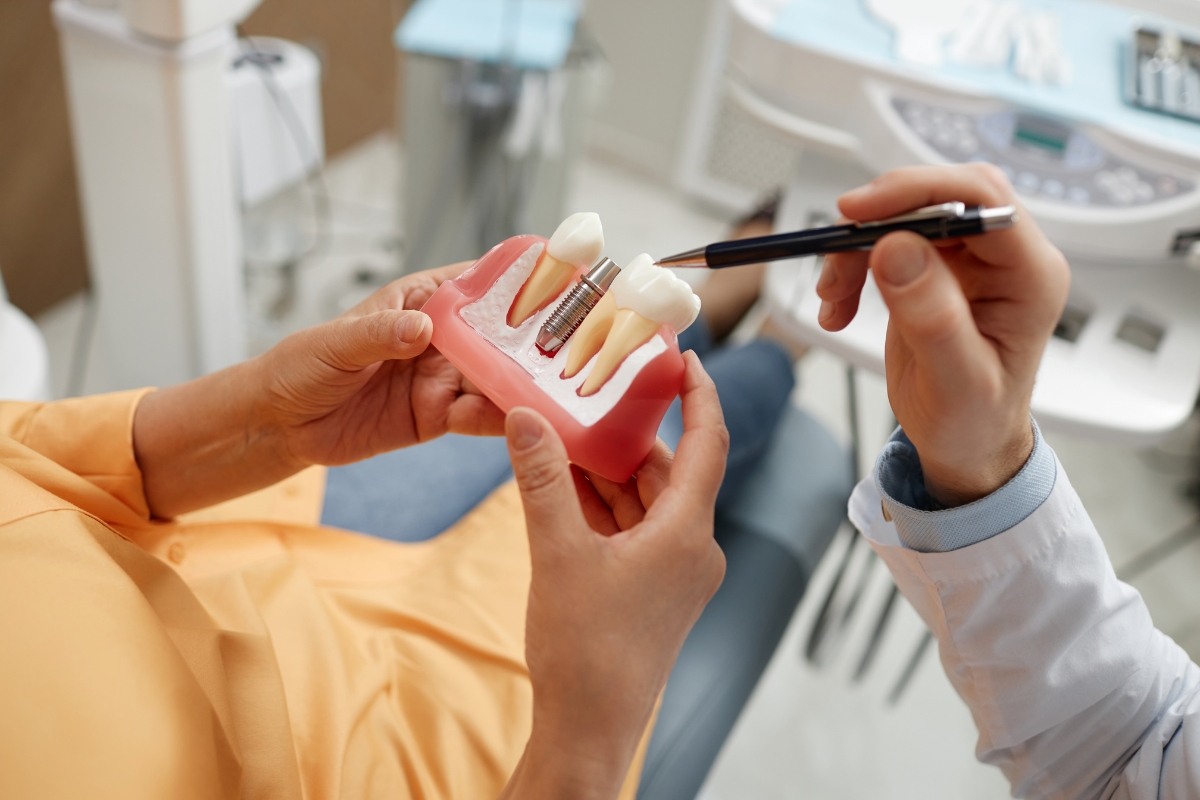
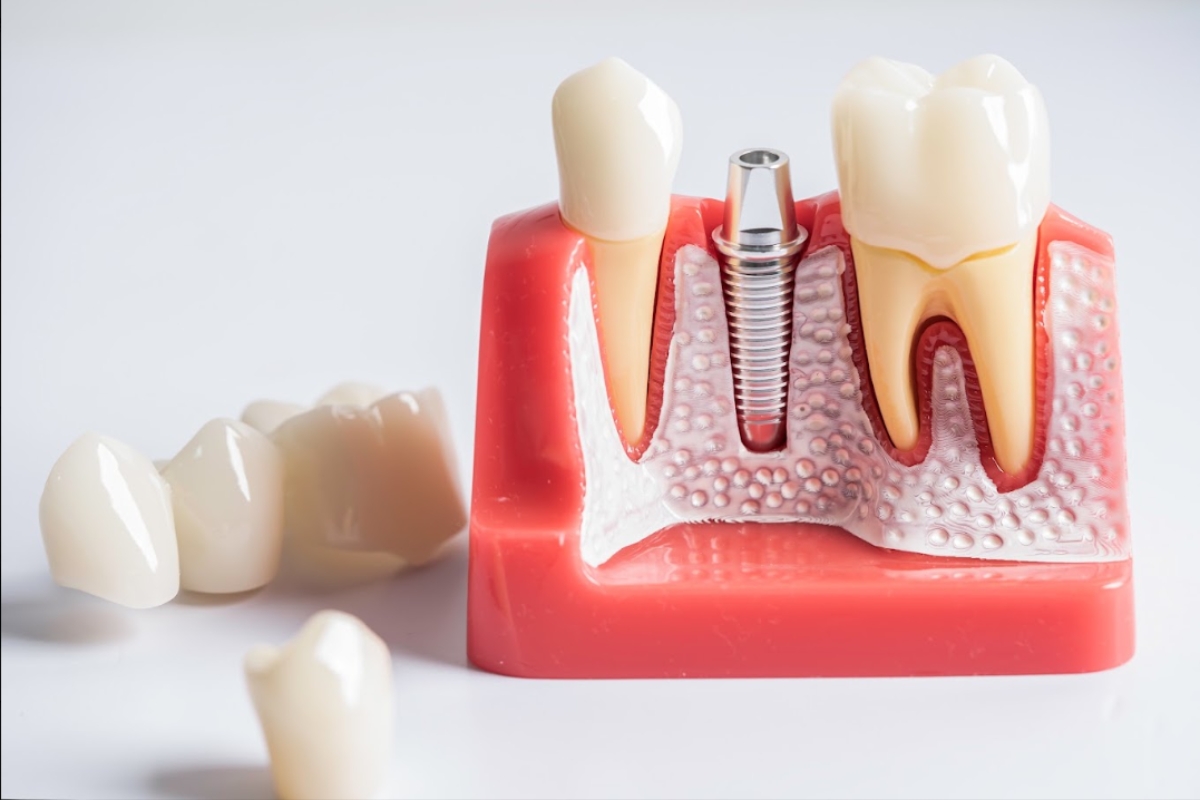
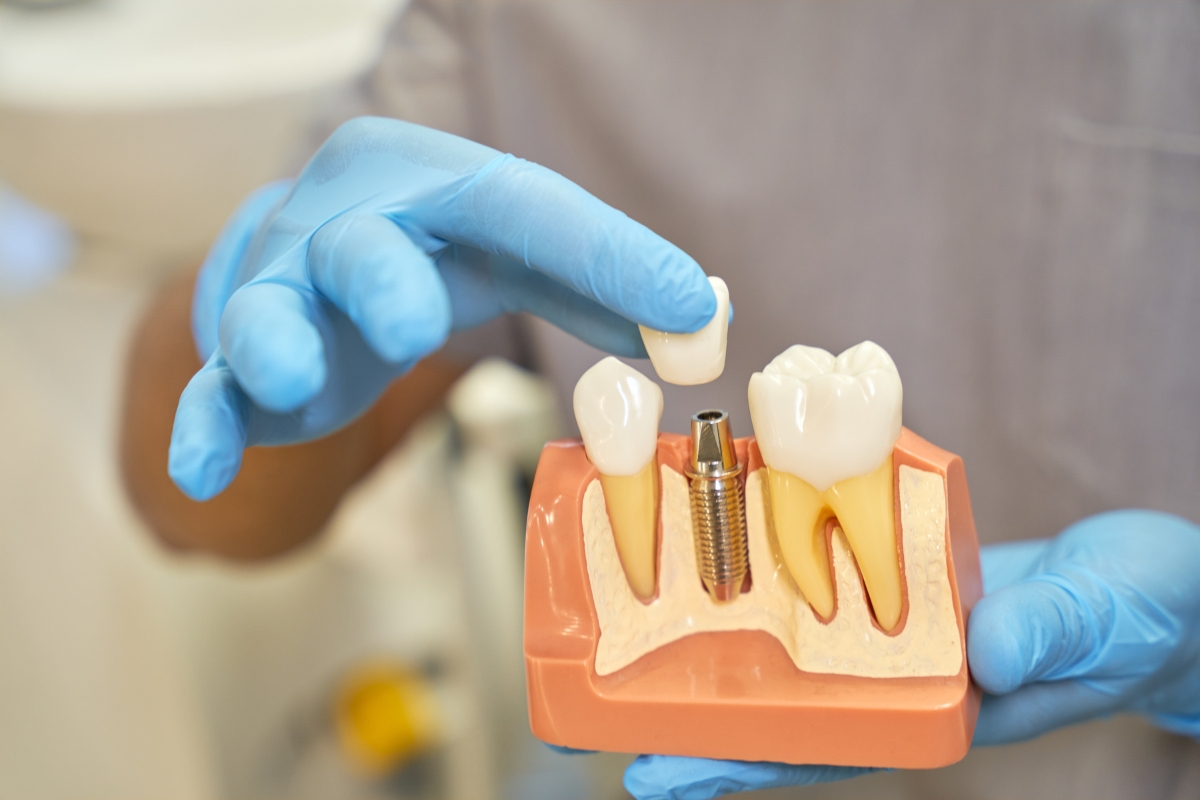
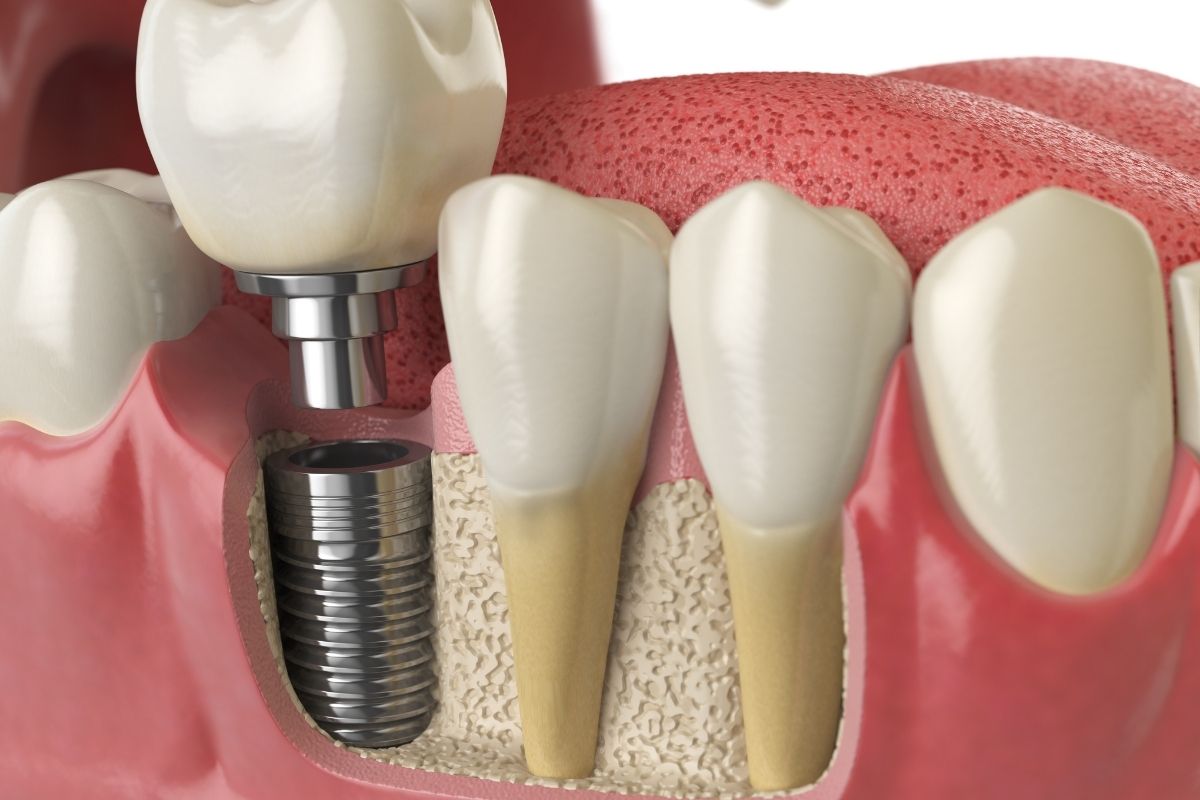
Dental implants are designed to act like natural tooth roots. A small titanium post is placed into the jawbone where the missing tooth used to be. As the area heals, the implant joins with the bone.
This connection allows the implant to send pressure into the jaw when you chew, just like a real tooth root would.
Because of this, Dental Implants help:
- Keep the jawbone active
- Reduce bone shrinkage
- Support facial structure
- Improve bite strength
- Maintain space between teeth
Unlike removable options, implants work beneath the gum line. That deeper support is what helps protect the bone.
What Makes Bone Health So Important?
Strong jawbone support helps your mouth stay stable over time. When bone loss becomes severe, it may affect your ability to eat certain foods or keep other teeth healthy.
Bone loss can also change how dentures or other tooth replacements fit. Some people notice loose dental appliances because the jaw shape changes over the years.
Dental implants help lower this risk by supporting the bone from inside the jaw.
For many adults, this can make daily life easier and more comfortable.
Signs You May Be Losing Bone After Tooth Removal
Bone loss often happens slowly, so many people do not notice it right away. Still, there are some common signs to watch for:
- Changes in facial appearance
- Dentures becoming loose
- Difficulty chewing
- Teeth shifting out of place
- Gum changes near the missing tooth area
If you notice these changes, it may help to speak with a dentist sooner rather than later.
At Sage Dental, patients often ask if bone loss can still happen years after a tooth has been removed. In many cases, yes. The jawbone can continue shrinking over time if the area is left untreated.
Are Dental Implants Right for Everyone?
Many healthy adults can qualify for Dental Implants. Your dentist will check your gums, jawbone health, and overall oral condition before creating a treatment plan.
Good candidates often have:
- Healthy gums
- Enough jawbone support
- Good oral hygiene habits
- No untreated gum disease
Even if some bone loss has already happened, there may still be treatment options available.
Dr. Manish Shanker believes every patient deserves care that fits their unique needs. He takes the time to explain all treatment options clearly so patients can make informed choices about their oral health.
What Is Recovery Like After Getting an Implant?
Healing times vary from person to person, but most people return to normal daily activities within a short time. The jawbone needs time to bond with the implant properly.
During healing, patients are usually advised to:
- Eat softer foods for a short period
- Keep the area clean
- Avoid smoking
- Follow home care instructions carefully
The healing process is important because it helps the implant become stable within the jawbone.
Patients in Baytown often ask whether implants feel natural after healing. In many cases, once healing is complete, implants can feel very similar to natural teeth when eating and speaking.
Daily Habits That Help Protect Dental Implants
Good oral care plays a big role in long-term success.
Simple habits can help keep implants healthy for years:
- Brush twice daily
- Floss around the implant area
- Attend regular dental visits
- Avoid chewing hard objects
- Limit tobacco use
Dental implants are strong, but healthy gums and bone are still important for lasting support.
Meet Dr. Manish Shanker

Dr. Manish Shanker completed his Doctor of Dental Surgery degree at UT Health School of Dentistry. He believes in treating people, not just their dental problems. Each treatment plan is tailored to the patient’s needs and comfort level.
He takes the time to discuss all available options and helps patients feel informed throughout their care journey. At Sage Dental, Dr. Shanker uses modern technology and a patient-focused approach to create a calm and comfortable experience.
Outside of the office, Dr. Shanker enjoys spending time with his wife and two children. He also enjoys traveling, movies, and music.
Conclusion
Replacing a missing tooth is about more than appearance. Bone health plays a major role in keeping your mouth strong and functional over time. Dental implants help stimulate the jawbone, reduce bone loss, and support everyday activities like chewing and speaking.
If you have questions about missing teeth or jawbone changes, it may help to schedule a consultation with Sage Dental. Our team is here to help you understand your options in a comfortable and supportive setting. You can also contact our dental office to learn more about protecting your long-term oral health.
FAQs on Dental Implants
How soon can bone loss begin after a tooth is removed?
Bone loss can begin within the first few months after tooth removal. The longer the space remains empty, the more bone may shrink over time.
Can jawbone shrinkage affect nearby teeth?
Yes. Bone loss may reduce support for nearby teeth, which can sometimes lead to shifting or bite changes.
Do tooth replacements help support chewing strength?
Yes. Replacing missing teeth can improve bite balance and make chewing easier for many people.
Is it normal for gums to change after losing a tooth?
Yes. The gums and bone beneath the missing tooth area can change shape over time if the space is left untreated.
Can smoking affect healing after tooth replacement?
Smoking may slow healing and affect gum and bone health. Many dentists recommend avoiding tobacco during recovery.
How can I keep my jawbone healthy after losing a tooth?
Good oral hygiene, regular dental visits, and timely tooth replacement can help support jawbone health over time.