Blog

Getting dental implants can feel like a big step, but knowing what to expect makes the process much easier. Many patients ask us the same question, how long does healing take after dental implant surgery? The answer is simple: healing happens in stages, and each stage matters for long-term success.
We believe in giving clear, honest guidance so you can feel confident about your care. In this guide, we walk you through the full recovery timeline, what you may feel at each stage, and how to protect your results. We also share helpful orthodontist tips for preventing decalcification and keeping your teeth healthy during any dental treatment.
Your Dentist Guidance : Dr. Quinton Parks

At Sage Dental, your care is guided by Dr. Quinton Parks, a dentist who combines skill, experience, and a patient-first approach.
Dr. Parks began his journey as a dental lab technician, creating crowns, dentures, and implants by hand. This has given him a deep understanding of how dental implants work from the inside out. He later earned his Doctor of Dental Surgery degree and became part of respected dental group focused on high-quality care.
He believes in simple care plans, clear steps, and honest answers. Patients often say they feel relaxed because he takes time to explain each stage of dental implant surgery in plain language.
Outside the clinic, Dr. Parks enjoys family time, sports, and travel. That balance reflects in how he treats patients, with care that feels both skilled and personal.
Call Now to Speak with Dr. Parks.
Understanding the Basics of Dental Implant Healing
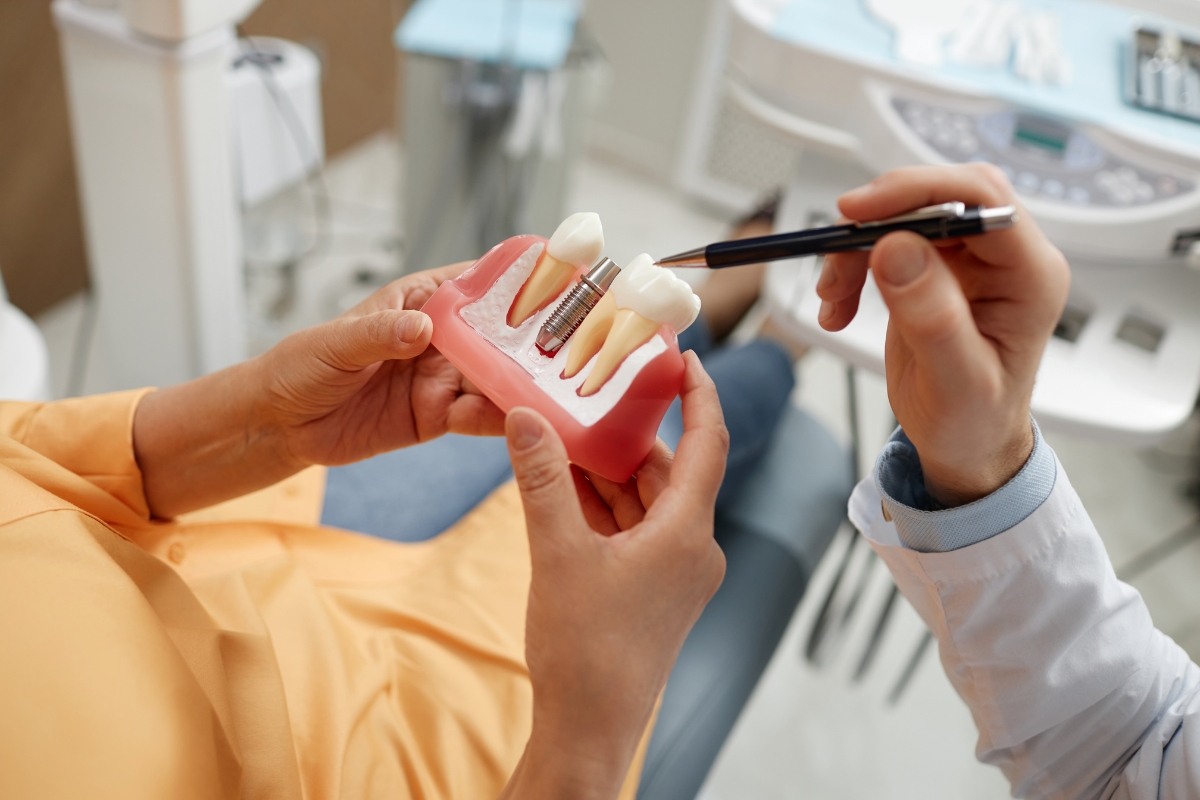
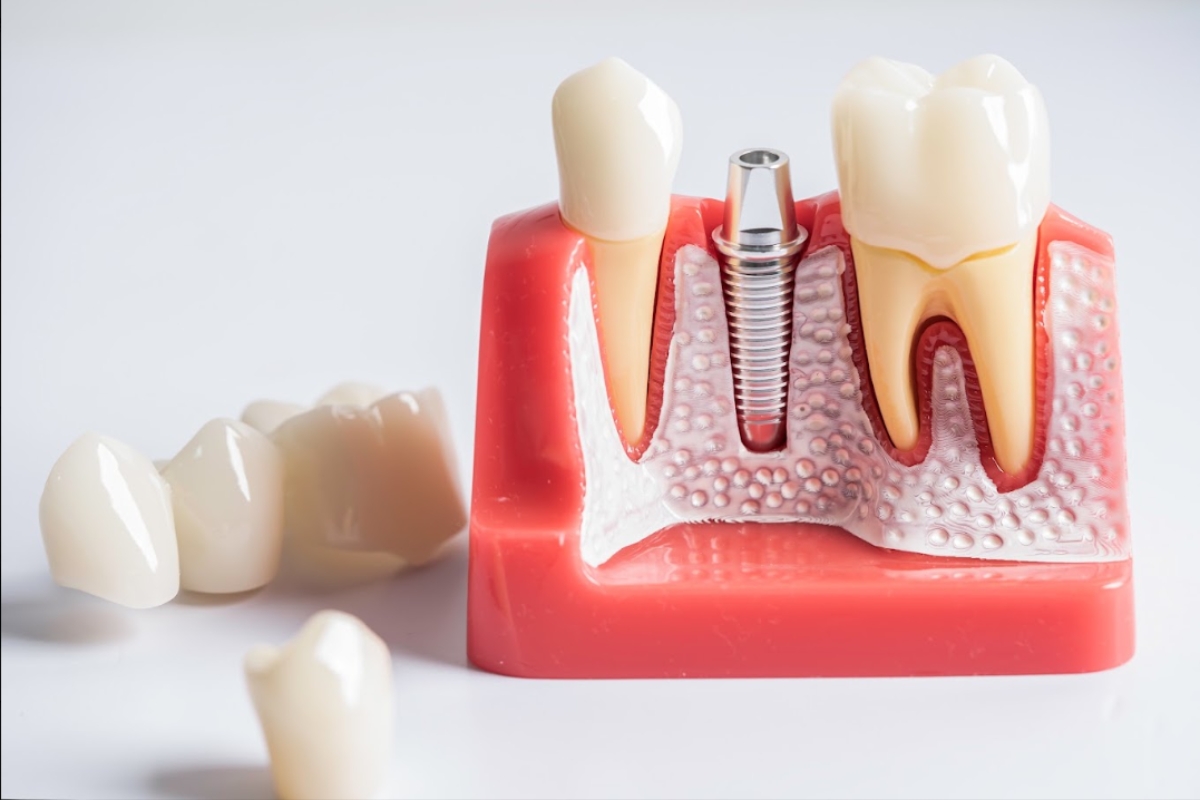
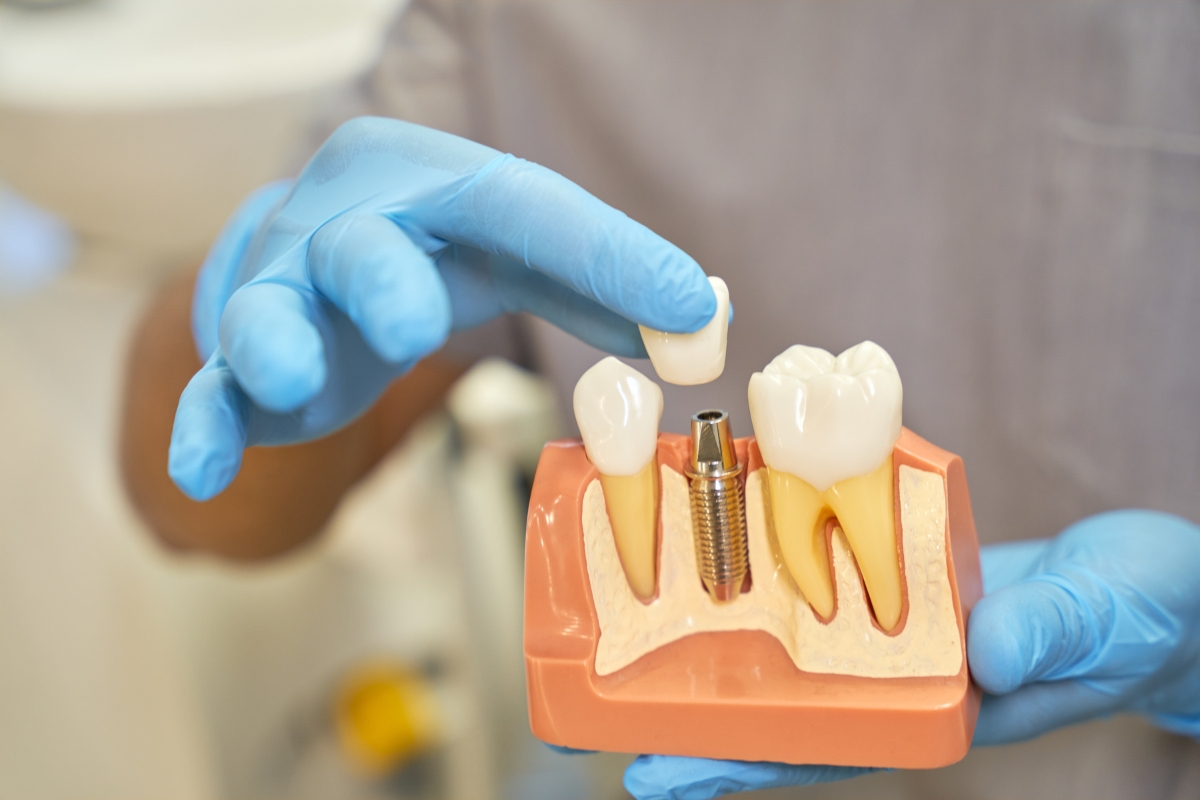
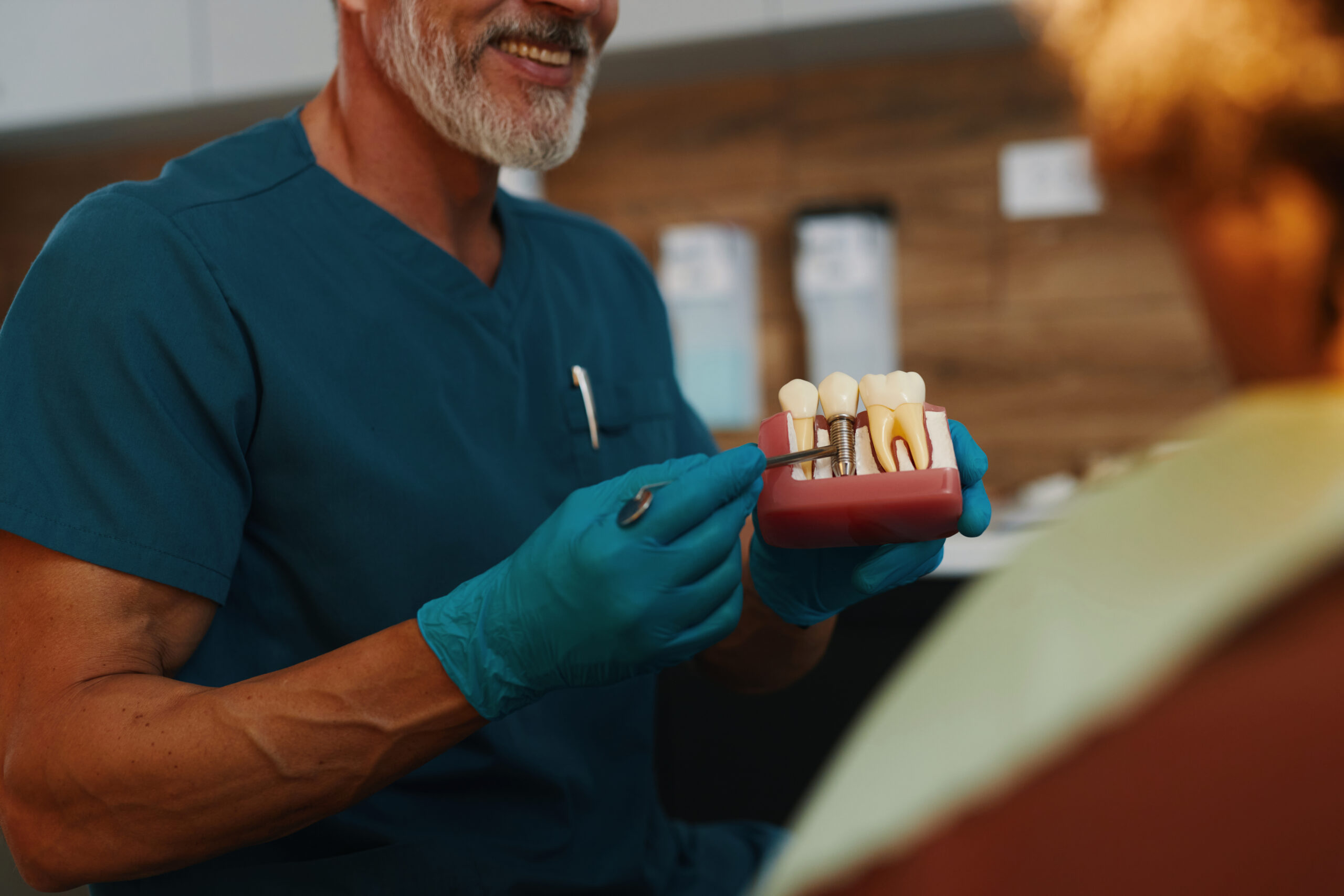
Before we talk about timelines, it helps to know what happens after dental implant surgery. A small titanium post is placed into the jawbone. This acts like a new tooth root. Over time, your bone grows around it. This process is called osseointegration.
This step is the reason why people often ask, how long do dental implants last. When healing is done right, implants can last many years, often decades.
Healing is not instant. Your body needs time to adjust and build a strong base. This is why following care instructions matters so much.
Immediate Recovery: First 24 to 72 Hours
Right after dental implant surgery, your body starts healing right away. You may notice swelling, mild pain, or slight bleeding. This is normal and expected.
We advise rest during this time. Soft foods like yogurt, soup, and smoothies help avoid stress on the area. Ice packs can reduce swelling. Most patients feel better within a few days.
Good hygiene is key here. This is also where the best oral hygiene with braces (orthodontist-recommended) habits come into play. Gentle cleaning keeps bacteria away and protects the healing tissue.
Early Healing Phase: First Two Weeks
In the first two weeks, the gum tissue begins to close around the implant. Pain usually fades, and swelling goes down.
We guide patients on orthodontist advice for braces care during this time as well. Even if you are not wearing braces, these habits help protect your enamel and gums.
Patients often ask, what do orthodontists recommend to prevent decalcification? The answer is simple, keep teeth clean, avoid sugary snacks, and use fluoride toothpaste.
These small steps lower the risk of white spots and help your implant site heal smoothly.
Bone Healing Phase: 3 to 6 Months
This stage is the most important part of dental implant surgery recovery. Your jawbone slowly bonds with the implant.
During this time, you may not feel much happening, but a lot is going on beneath the surface. The implant becomes stable and ready for the final crown.
Many patients ask again, how long do dental implants last during this stage? The truth is, strong bone healing is what gives implants their long life.
We also focus on preventing tooth decay during orthodontic treatment, even if braces are not involved. Clean teeth and healthy gums help the implant stay strong.
Final Restoration Phase: Placing the Crown
Once healing is complete, we attach a custom crown to the implant. This is a visible tooth that looks and feels natural.
At this stage, patients often feel fully back to normal. Eating, speaking, and smiling become easy again.
Some patients ask, can an orthodontist reverse white spots after braces? While some marks can be improved, prevention is always better. That is why we stress how orthodontists avoid white spots from braces through daily care.
Daily Care Tips for Faster Recovery
Good habits speed up healing and protect your results. We recommend:
- Brushing twice daily with orthodontist-approved toothpaste for braces wearers
- Floss gently around the implant
- Avoid hard or sticky foods early on
- Staying consistent with check-ups
Patients often ask, how often should braces patients visit the orthodontist? The same idea applies here: regular visits help catch small issues early.
How to Keep Your Implant Healthy Long-Term
Once healing is complete, your focus shifts to maintenance. This is where many patients think again about how long dental implants last.
With proper care, implants can last for many years. Daily brushing, flossing, and routine visits play a major role.
We also share orthodontist secrets for healthy teeth with braces, which apply to everyone:
- Clean around every tooth carefully
- Avoid frequent sugary snacks
- Use fluoride products
These habits support both natural teeth and dental implants.
Common Concerns During Recovery
Patients often worry about discomfort or delays. Most concerns are minor and easy to manage.
Mild pain is normal in the early days. Swelling fades within a week. If anything feels unusual, we encourage you to reach out.
Questions like can an orthodontist reverse white spots after braces or concerns about enamel health are also common. We will guide you through each step so you feel informed and comfortable.
Conclusion: A Smooth Recovery Starts with the Right Care
The recovery timeline after dental implant surgery is steady and predictable when you follow the proper care steps. From the first few days to full healing, each stage builds toward a strong, lasting result.
If you are thinking about getting dental implants or want to learn more about how long dental implants last, we are here to help you make the right choice.
Take the next step and schedule a consultation with Sage Dental to discuss your options. You can also contact our Sage Dental office to get clear answers and personalized care.
Frequently Asked Questions
Here are some common questions we often hear about dental implants:
Q: How long do dental implants last?
A: The dental implant post itself is designed to be a permanent fixture and can last a lifetime with proper care and regular dental check-ups. The crown, however, may need to be replaced every 10 to 15 years due to normal wear and tear, though some can last longer with excellent hygiene.
Q: Are dental implants painful?
A: During the dental implant surgery, local anesthesia is used to numb the area, so we should not feel pain, only some pressure. Afterward, we may experience some discomfort, swelling, and soreness, which can typically be managed with pain medication.
Q: Can dentures be converted into implants?
A: No, dentures cannot be “made into implants.” Dental implants are metal screws placed into the jawbone. However, it may be possible to place implants beneath existing dentures to help stabilize and support them, provided the dentures are in excellent condition.
Q: Can I get dental implants if I have lost a lot of bone?
A: Yes, even with significant bone loss, procedures like bone grafting or sinus lifts can prepare the jaw for implants. Your dentist will evaluate your bone health and create a plan to maximize long-term results.