Blog

Some discomfort right after a dental implant procedure is completely normal but what does it mean when that pain doesn’t go away, or comes back weeks or months later? If you’re in the Baytown area and wondering whether your implant should still be hurting, you’re not alone. This guide walks you through the most likely causes and what you should do next.
First: Is Late Implant Pain Always a Red Flag?
Not necessarily. A little tenderness around an implant site can linger as your jawbone continues to heal and integrate with the titanium post a process called osseointegration that can take three to six months. During this time, mild occasional soreness can be normal.
However, persistent, worsening, or newly developing pain months after your procedure is your body signaling that something needs attention. The good news: most causes are treatable, especially when caught early. At Sage Dental in Baytown, TX, we see patients at every stage of the implant journey, and we’re here to help you figure out what’s going on.
Common Reasons Your Dental Implant May Still Hurt
There’s rarely one single answer. Here are the most frequent culprits behind late-stage implant discomfort:
Peri-implantitis
A gum and bone infection around the implant the most common cause of late implant pain. Similar to gum disease, it causes swelling, bleeding, and eventual bone loss if untreated.
Failed Osseointegration
Occasionally the implant doesn’t fuse properly with the jawbone. The implant may feel loose or uncomfortable when you bite down.
Loose Implant Components
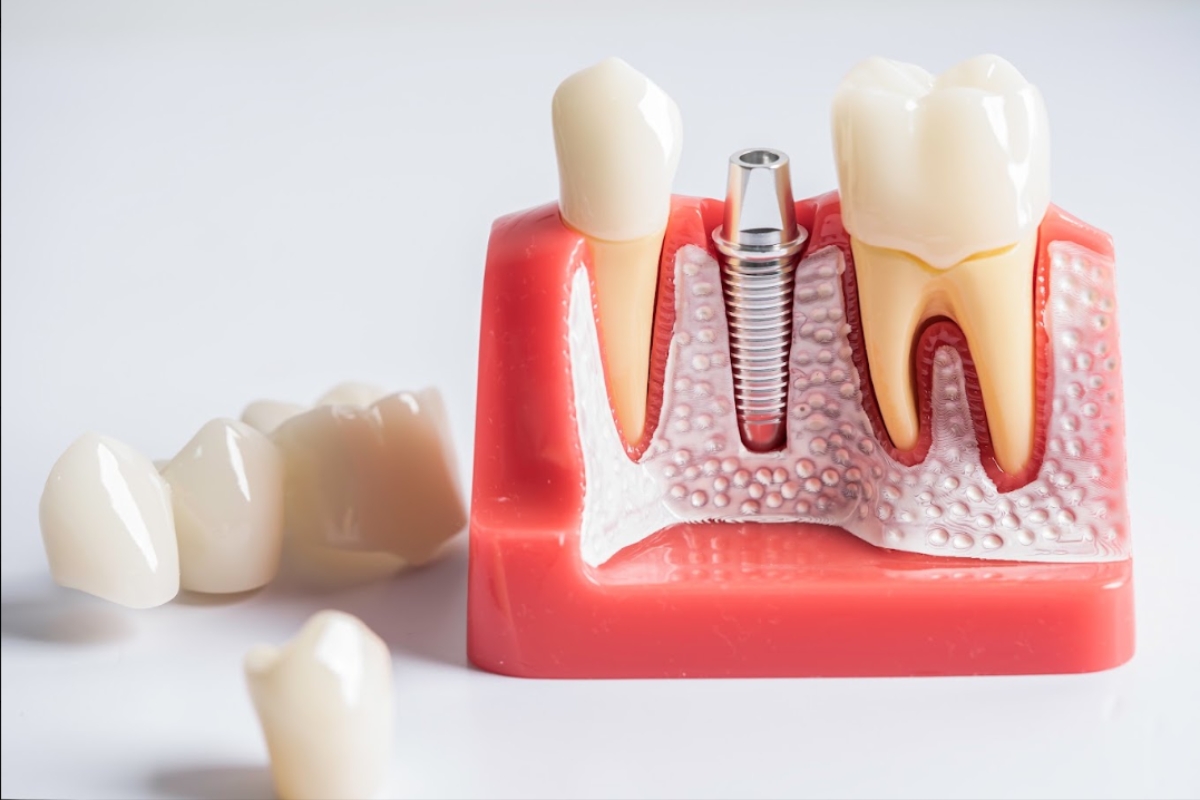
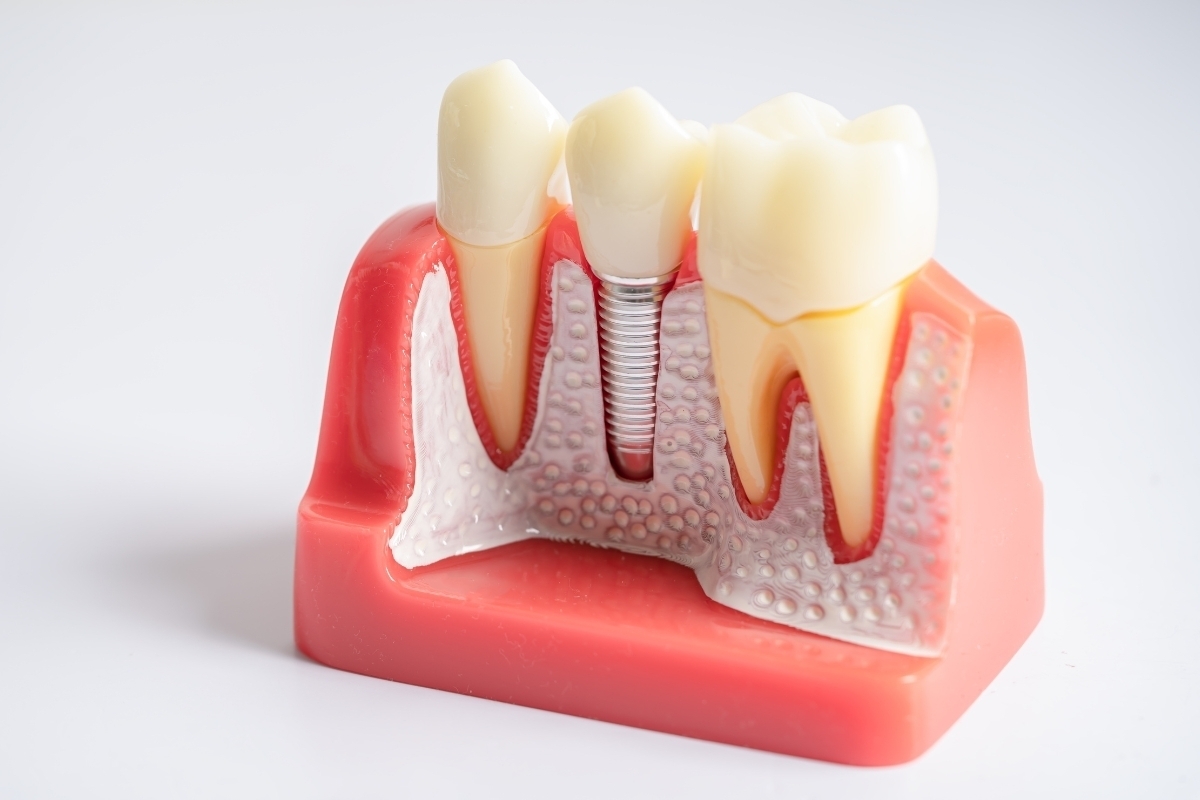
The abutment (the connector piece) or the crown can loosen over time, creating pressure and pain with each bite.
Nerve or Tissue Irritation
An implant placed too close to a nerve, or pressure on surrounding soft tissue, can cause ongoing tingling, soreness, or a dull ache.
Teeth Grinding (Bruxism)
Grinding or clenching your teeth puts excessive force on implants. Over time this micro-stress can cause pain, loosening, or even implant failure.
Oral Hygiene Issues
Bacteria buildup under the gum line around an implant especially if hard-to-clean areas are neglected leads to inflammation and infection.
When to Seek Care Right Away
If you’re experiencing severe pain, visible swelling, pus near the implant site, a fever, or a noticeably loose implant, don’t wait for your next scheduled visit. These are signs of active infection or implant failure that need prompt evaluation. Patients with dental implants in Baytown can contact Sage Dental directly to be seen quickly.
Peri-Implantitis: The #1 Cause of Late Implant Pain
Peri-implantitis deserves its own section because it’s both the most common reason implants hurt months after surgery and one of the most underdiagnosed. Think of it as gum disease specifically targeting the tissue around your implant.
Signs of peri-implantitis include:
- Swollen, red, or bleeding gums around the implant
- A bad taste in your mouth that doesn’t go away
- Visible bone loss on an X-ray
- The implant feels slightly mobile when pressed
- Dull aching pain, especially when chewing
Risk factors include smoking, diabetes, a history of periodontal disease, and poor home care. The encouraging news: when caught early, peri-implantitis is manageable. Advanced cases may require surgical treatment, which is why checking in with your dentist at the first signs matters so much.
Could It Be the Crown or Abutment: Not the Implant Itself?
It’s easy to assume the titanium post buried in your jaw is the problem, but often the pain originates from the components above it. The abutment screws can work loose from normal chewing forces over time. Your dental crown might develop a small crack, or it may have been placed with a bite that’s just slightly off creating uneven pressure that becomes painful over months.
A quick examination at our Baytown, TX office can determine in minutes whether the issue is above or below the gum line. This distinction matters because the treatment is completely different.
The Role of Bone Health in Long-Term Implant Comfort
Your jawbone is living tissue. Conditions like osteoporosis, uncontrolled diabetes, or even certain medications (bisphosphonates in particular) can affect bone density and slow healing. If your implant was placed during a period when your bone health was compromised, you may experience delayed pain as the site struggles to fully integrate.
This is also why your complete medical history matters not just to us, but to your long-term implant success. Patients receiving dental implants at Sage Dental are thoroughly evaluated before surgery to identify and address these risk factors in advance.
What You Should Do If Your Implant Is Hurting
Here’s a practical, step-by-step approach starting today:
- Don’t ignore it: Mild discomfort that persists more than a few weeks, or pain that appears months after an uneventful healing period, warrants a call to your dentist. Pain is your body’s communication take it seriously.
- Document your symptoms: Note when the pain started, whether it’s constant or triggered (by cold, pressure, or biting), any visible changes like swelling, and any medications you’re currently taking. This helps your dentist get to the cause faster.
- Schedule a diagnostic visit: Your dentist will probe the gum tissue, take X-rays to check bone levels, and test the implant’s stability. This is a routine evaluation not a cause for alarm.
- Follow through on treatment: Whether the recommendation is a professional cleaning, antibiotic therapy, a bite adjustment, or closer monitoring, completing the recommended course makes a significant difference in outcomes.
- Review your home care routine: Implants need consistent cleaning with a soft-bristle toothbrush, floss designed for implants (or a water flosser), and twice-yearly professional cleanings. Small changes here can prevent big problems later.
A Note on Pain Tolerance
Many patients put off calling their dentist because the pain seems “manageable” or they don’t want to seem like they’re overreacting. At Sage Dental, we’d much rather hear from you when something feels off than see you after a problem has progressed. There’s no such thing as being too cautious with an implant.
How Sage Dental Approaches Implant Pain in Baytown, TX
Our team at Sage Dental understands that dental implants represent a significant investment in your health, your smile, and your confidence. When patients come to us with implant concerns, we take a thorough, unhurried approach: clinical examination, digital X-rays to assess bone levels, and an honest conversation about what we find.
We treat patients with dental implants in Baytown at every stage whether you’re newly recovering, experiencing late discomfort, or just looking for a second opinion. Our goal is always to help you protect that investment for the long term.
Prevention: Protecting Your Implant Going Forward
If your implant is currently healthy but you want to keep it that way, a few habits go a long way:
- Don’t skip your maintenance appointments: Twice-yearly cleanings catch early peri-implantitis before it causes damage.
- Quit smoking: Smoking is one of the strongest risk factors for implant failure it restricts blood flow to healing tissue.
- Manage grinding: If you wake up with jaw soreness or your partner mentions grinding sounds, ask us about a custom night guard. It can extend your implant’s life significantly.
- Eat mindfully: Avoid using your implant crown to crack hard foods like ice, seeds, or hard candy. These can fracture the crown or create stress on the post.
- Keep your blood sugar in check: Diabetic patients are at higher risk for infection around implants. Stable blood glucose supports healthier healing tissue.
Questions Patients Often Ask Us
These are the real questions we hear from patients in our Baytown, TX office:
Is it normal for a dental implant to hurt 3–6 months after surgery?
Mild, occasional tenderness during this window can still be part of normal healing osseointegration (the bone fusing with the implant) takes time. But pain that is worsening, constant, or newly appearing after weeks of feeling fine is not typical and should be evaluated. When in doubt, a quick visit gives you a clear answer.
How do I know if my dental implant is infected?
Signs of an infected implant include swollen or red gum tissue around the site, bleeding when you brush or floss nearby, a persistent bad taste or odor, and aching pain especially when biting. Fever and visible pus are more serious signs. If any of these apply to you, contact your dentist promptly implant infections respond well to early treatment.
Can a failed dental implant be saved, or does it have to be removed?
It depends on the cause and how early the problem is caught. Early-stage peri-implantitis can often be treated without removing the implant. A loose component (abutment or crown) is usually a straightforward fix. A truly failed implant where the post has lost bone support and become mobile typically does need to be removed, but in many cases it can be replaced once the area heals. The sooner you come in, the more options are available to you.
My implant feels fine but the gum around it looks a little puffy. Should I be worried?
Puffiness around an implant without pain is often an early warning sign of peri-implantitis, and it’s exactly the kind of thing you want to catch at this stage. The tissue itself may not be painful yet, but the inflammation signals that bacteria are getting a foothold. A professional cleaning and evaluation now can prevent a much bigger problem down the road.
I grind my teeth at night. How does that affect my implant?
Bruxism (teeth grinding) puts repetitive stress on implants that natural teeth aren’t designed to handle either but implants are especially vulnerable because they lack the cushioning ligament that natural teeth have. Over time, this can lead to micro-fractures in the crown, loosening of the abutment screw, or even bone loss around the implant. A custom-fitted night guard is a simple, effective way to protect your implant investment.
The Bottom Line: Late Implant Pain Is Treatable Don’t Wait
Dental implants are designed to last a lifetime, and the vast majority do but they need the same attention and care as natural teeth. If your implant has been bothering you, the worst thing you can do is wait and hope it resolves on its own. The best thing? Pick up the phone.
At Sage Dental in Baytown, TX, our team is experienced in diagnosing and treating the full range of implant concerns, from routine maintenance to more complex complications. We’ll give you a clear picture of what’s happening and a straightforward plan to address it.
Concerned About Your Dental Implant?
Don’t let discomfort linger. Schedule your appointment today at Sage Dental in Baytown, TX we’re here to help you protect your smile for the long haul.