Blog

Missing teeth affect more than your smile they can make eating, speaking, and even smiling in photos feel stressful. If you’ve been researching solutions, chances are you’ve come across dental implants as one of the most reliable options available today.
But how do dental implants actually work, and are they the right choice for you? This guide breaks it all down in simple terms, so Baytown patients can make an informed, confident decision about their smile.
At Sage Dental – Baytown, we meet patients every week who have the same questions about the implant process, healing time, and whether it’s worth the investment. Let’s walk through it together.
What Are Dental Implants?
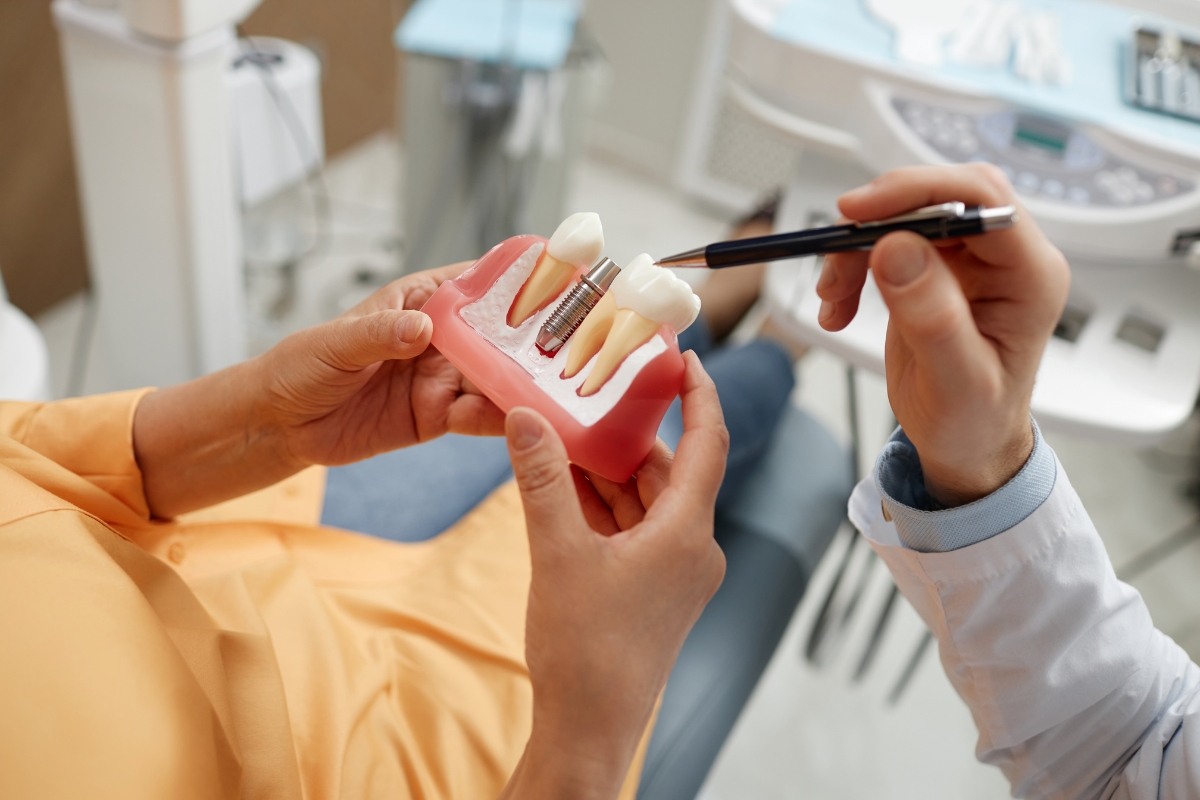
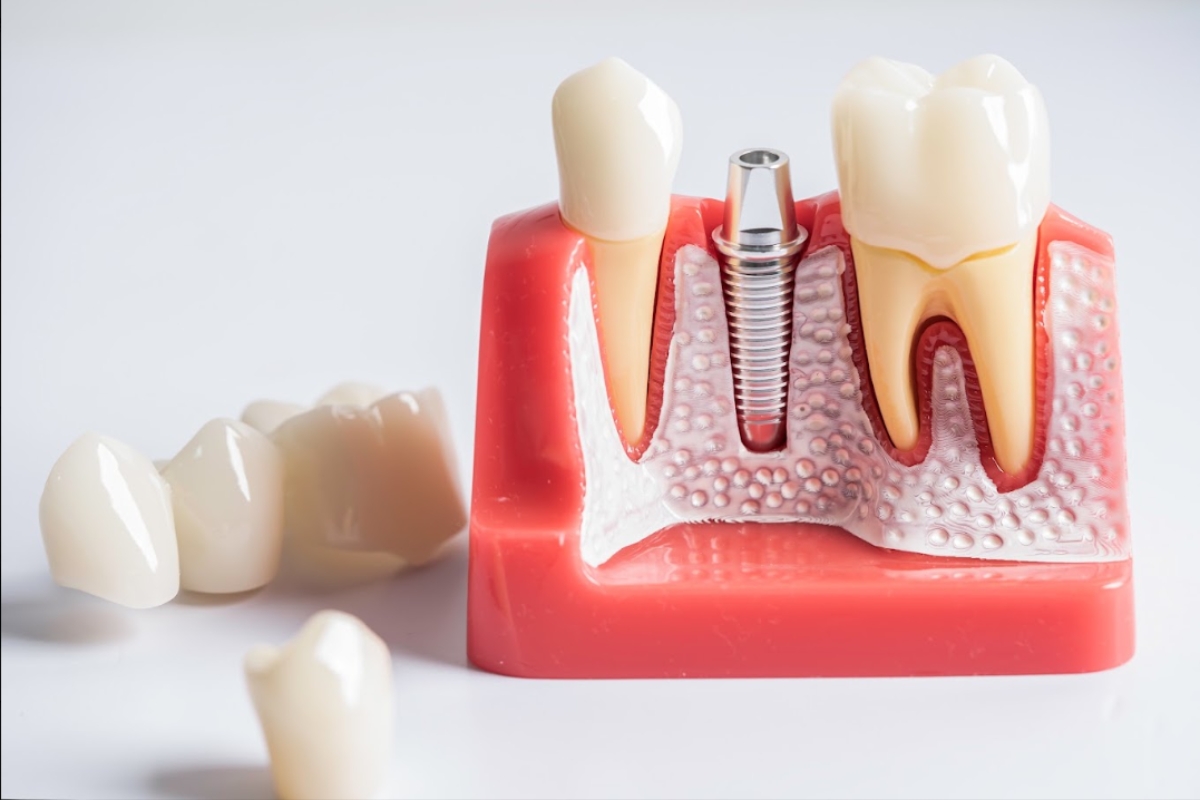
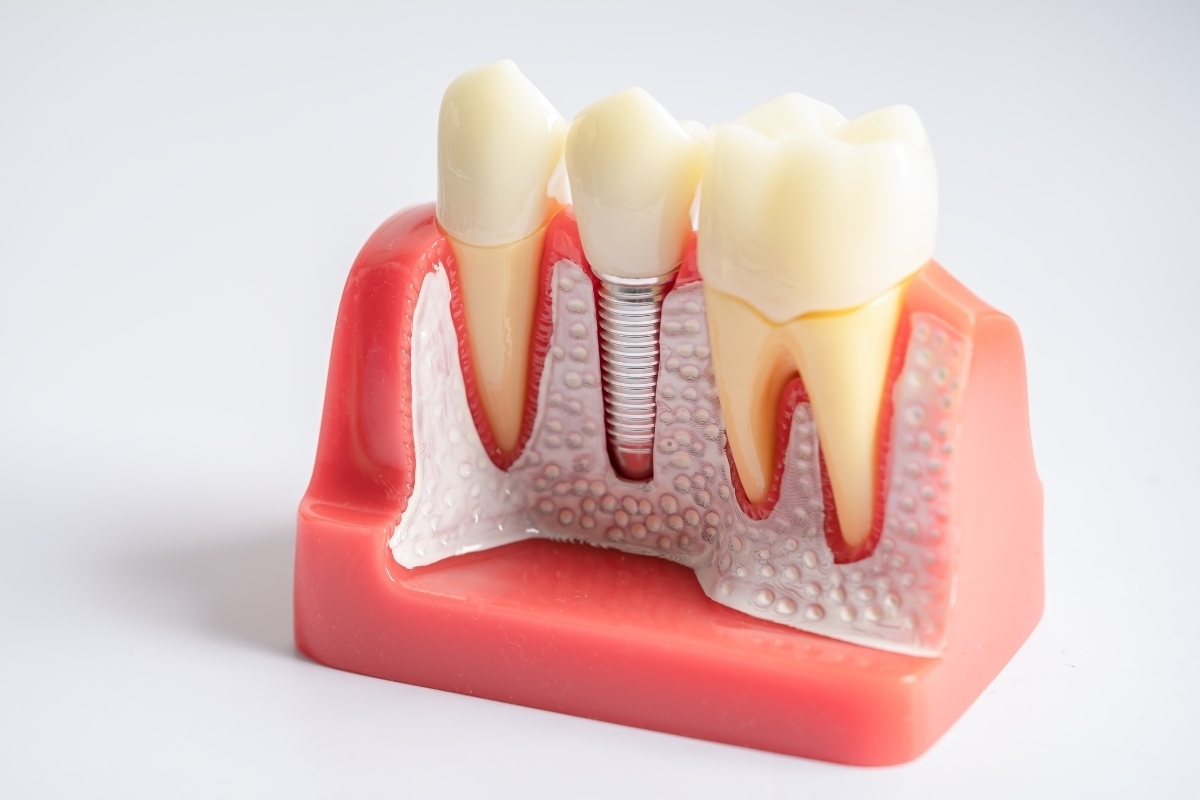
Dental implants are small titanium posts that act as artificial tooth roots. They’re surgically placed into the jawbone, where they fuse with the bone over time through a process called osseointegration.
Once healed, the implant supports a custom-made crown, bridge, or denture giving you a replacement tooth that looks, feels, and functions like a natural one.
Unlike dentures or bridges, dental implants don’t rely on surrounding teeth for support. This makes them a stable, long-term solution for missing teeth.
How Do Dental Implants Work? Step-by-Step
Understanding the process can ease a lot of the anxiety around treatment. Here’s what typically happens.
Step 1: Initial Consultation and Planning
Your dentist examines your oral health, takes X-rays or a 3D scan, and evaluates your jawbone density. This helps determine if you’re a good candidate for dental implants right away or if additional preparation, like a bone graft, is needed first.
Step 2: Implant Placement
The titanium post is surgically placed into the jawbone. This procedure is done under local anesthesia (or sedation, if preferred), and most patients report only mild discomfort afterward similar to a tooth extraction.
Step 3: Healing and Osseointegration
Over the next 2 to 6 months, the implant fuses with your jawbone. This healing period is essential, as it creates a strong, stable foundation for your new tooth.
Step 4: Abutment Placement
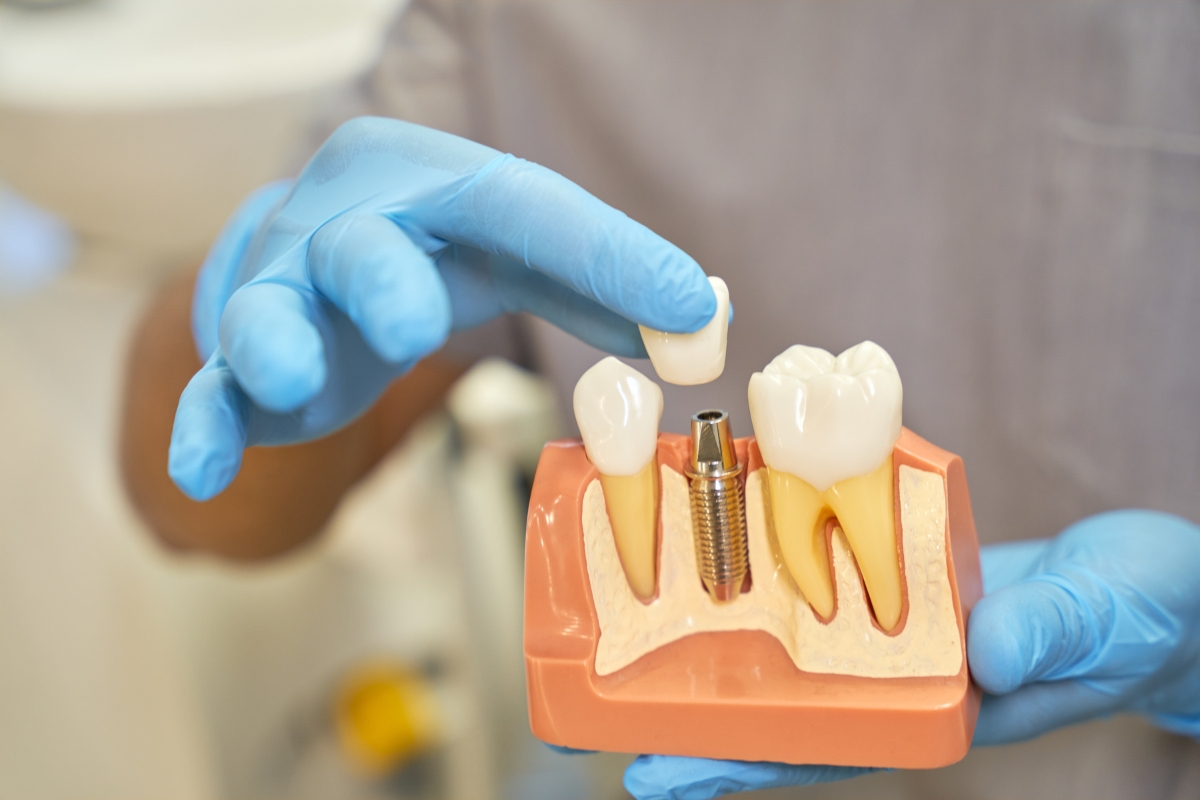
Once healing is complete, a small connector piece called an abutment is attached to the implant. This links the implant to the final restoration.
Step 5: Custom Restoration
Finally, a custom-crafted crown, bridge, or denture is attached. It’s color-matched and shaped to blend naturally with your existing teeth.
Why Baytown Patients Choose Dental Implants
Patients searching for dental implants Baytown often want to know what sets this option apart from traditional dentures or bridges. Here are a few key benefits:
- Long-lasting results with proper care, implants can last decades
- Bone preservation implants stimulate the jawbone, preventing bone loss
- Natural look and feel no slipping, clicking, or discomfort
- Improved chewing and speech function almost identically to natural teeth
- No impact on neighboring teeth unlike bridges, adjacent teeth aren’t altered
Am I a Good Candidate for Dental Implants?
Most healthy adults with sufficient jawbone density are candidates for implants. However, factors like gum disease, uncontrolled diabetes, or significant bone loss may require treatment first.
The best way to find out is through a personalized evaluation. Every mouth is different, and a thorough exam ensures your treatment plan is tailored to your specific needs.
What to Expect During Recovery
Recovery time varies, but most patients return to normal activities within a few days. Some general guidelines include:
- Mild swelling or tenderness for 3–5 days
- Soft foods recommended during initial healing
- Good oral hygiene to prevent infection
- Follow-up visits to monitor healing progress
Full integration with the jawbone takes longer, but daily discomfort typically resolves quickly.
Caring for Your Dental Implants
Good news implants don’t require special products, just consistent care:
- Brush twice daily with a soft-bristle toothbrush
- Floss daily around the implant site
- Avoid chewing extremely hard foods (like ice) on the implant
- Keep up with routine dental checkups and cleanings
With proper care, dental implants can last a lifetime, making them a smart long-term investment in your oral health.
Common Patient Questions
Do dental implants hurt?
Most patients describe the procedure as far less uncomfortable than expected. Local anesthesia keeps you comfortable during placement, and any soreness afterward is typically manageable with over-the-counter pain relief.
How long does the entire process take?
From consultation to final restoration, treatment can take anywhere from a few months to about a year, depending on healing time and whether bone grafting is needed. Your dentist will give you a personalized timeline.
Are dental implants safe?
Yes. Dental implants have been used successfully for decades and have a high success rate when placed by an experienced provider and properly cared for afterward.
Will my dental implant look natural?
Absolutely. The crown is custom-shaped and shade-matched to your natural teeth, so it blends in seamlessly with your smile.
Can I get dental implants if I have bone loss?
In many cases, yes. Bone grafting procedures can rebuild the jawbone to support an implant, even if you’ve experienced bone loss over time.
Is the cost of dental implants worth it?
While the upfront cost may be higher than other options, implants often prove more cost-effective long-term due to their durability and the fact that they don’t require frequent replacement like bridges or dentures.
Take the Next Step Toward a Confident Smile
Dental implants offer a reliable, natural-looking solution for missing teeth restoring not just your smile, but your confidence and quality of life. Understanding how the process works is the first step toward making the right decision for your oral health.
If you’re considering dental implants in Baytown, the team at Sage Dental – Baytown is here to guide you through every step, from your first consultation to your final restoration.
Schedule your appointment today and take the first step toward a healthier, more confident smile.