Blog

Missing or damaged teeth can affect far more than your smile they can change how you eat, speak, and feel about yourself. If you’re weighing your options between repairing an old restoration or exploring something more permanent, you’re not alone. Many patients searching for dental implants Pearland find themselves stuck between two choices: patch up an existing crown, bridge, or denture, or invest in a long-term solution.
This guide breaks down the real differences between dental implants and traditional restorations, so you can make a confident, informed decision for your oral health.
Understanding the Basics: Restorations vs. Implants
Before comparing the two, it helps to understand what each option actually involves.
What Are Existing Restorations?
Restorations include crowns, bridges, and dentures solutions that repair or replace teeth using the support of your natural teeth or gums. They’ve been standard dental treatments for decades and are often the first line of defense against tooth damage or loss.
What Are Dental Implants?
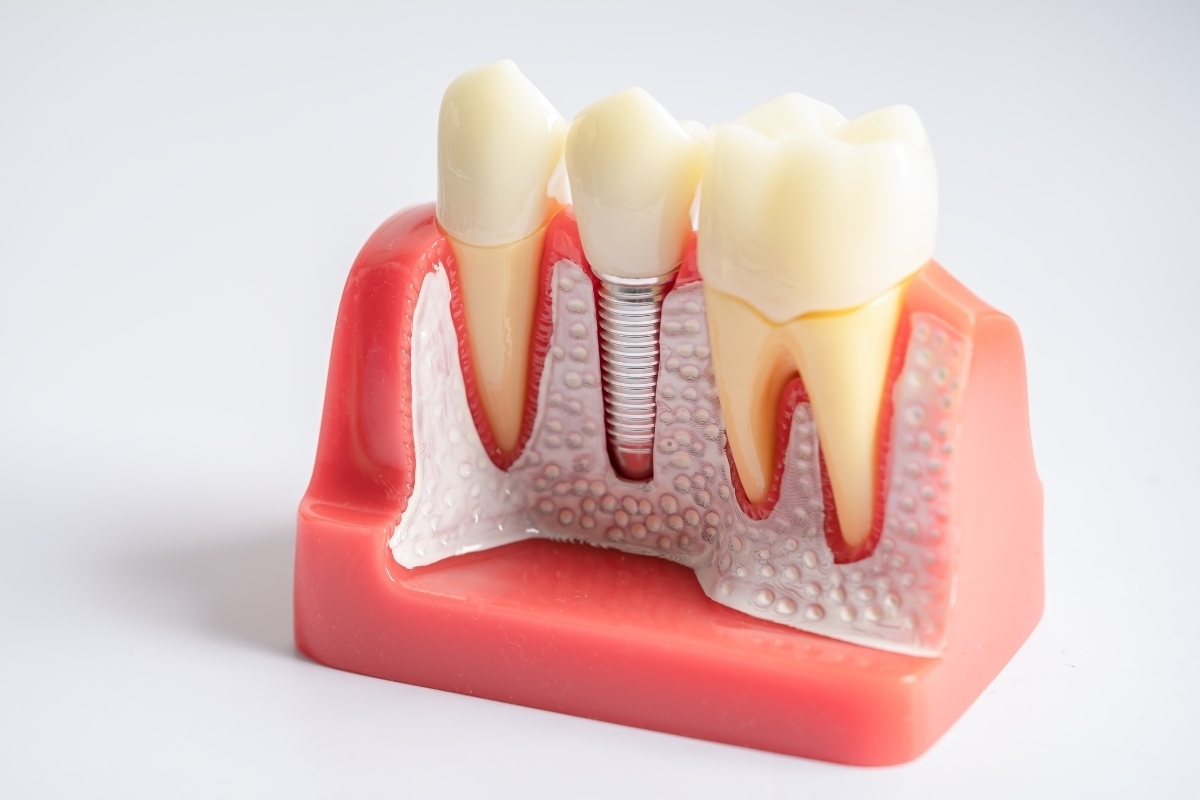
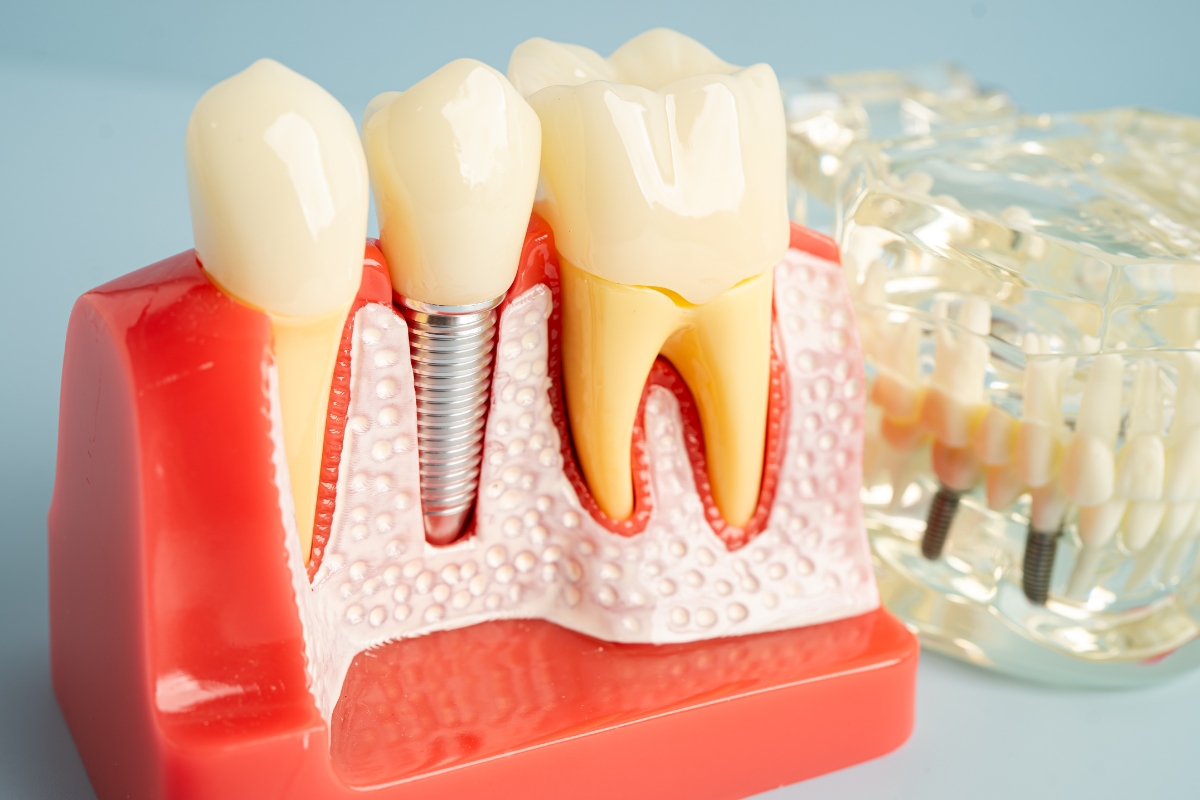
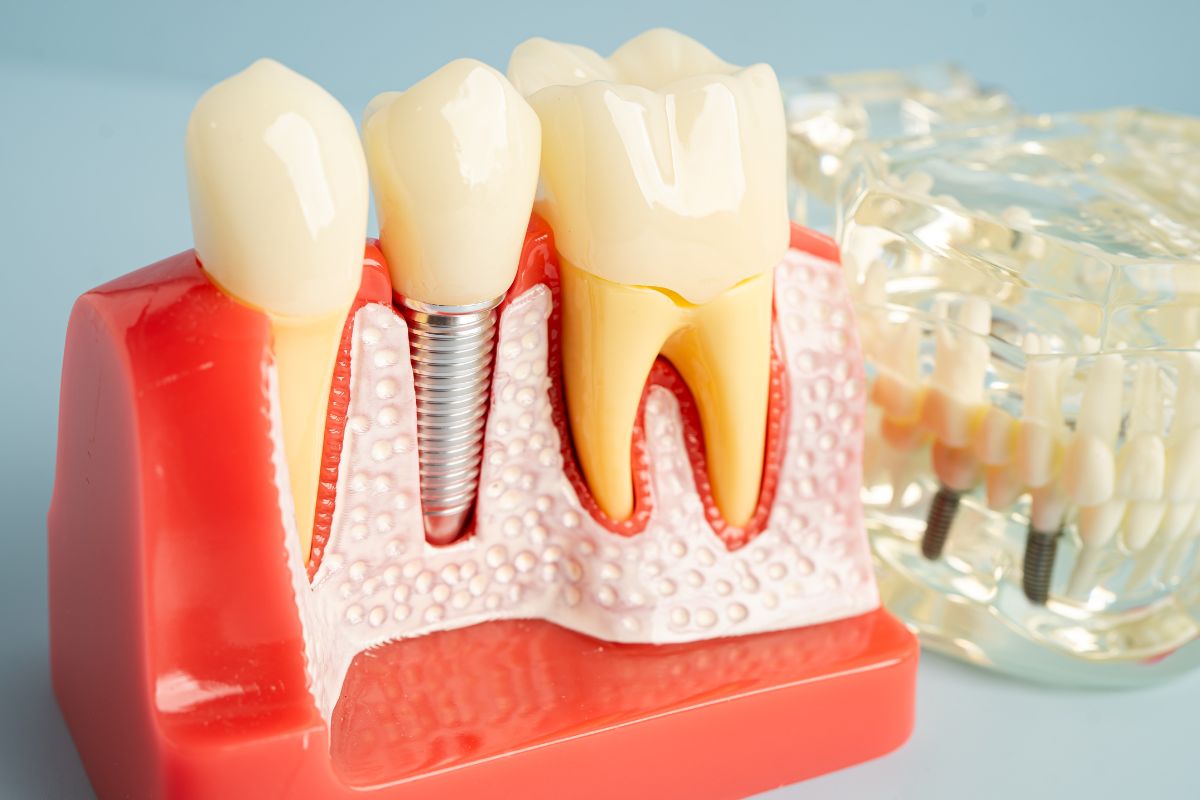
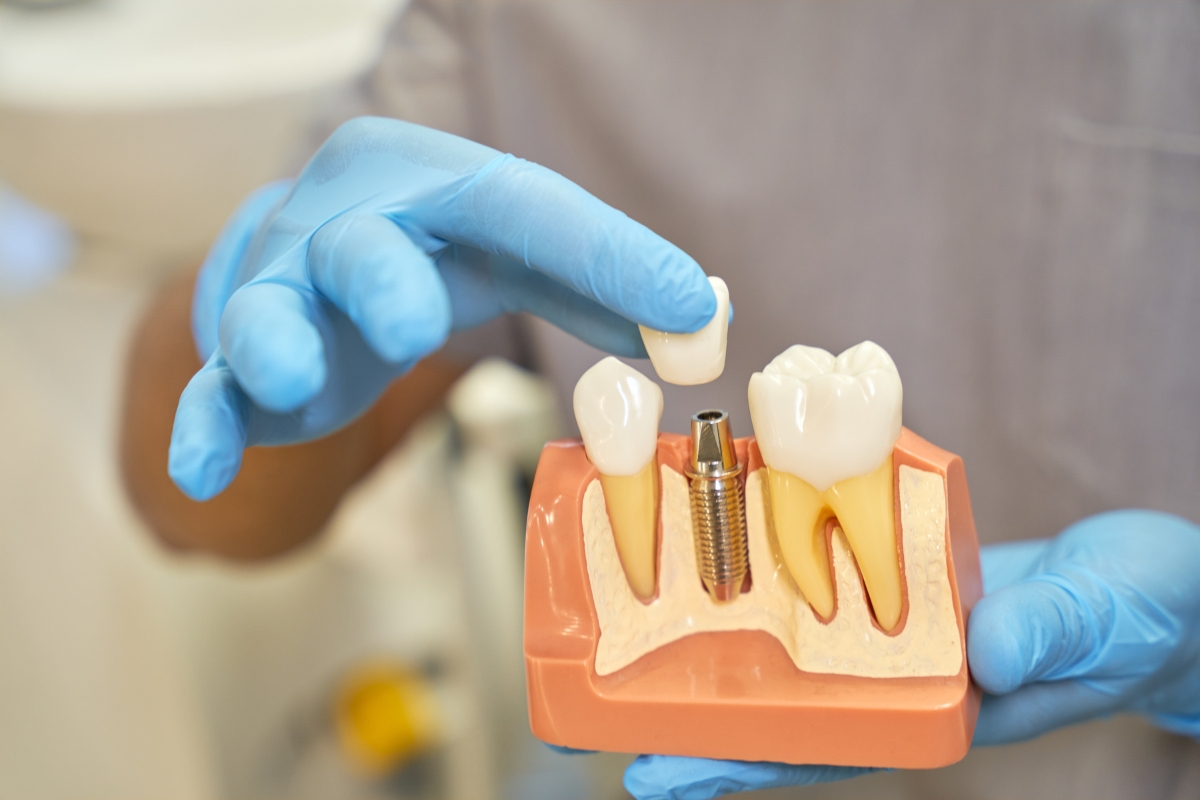
Dental implants are small titanium posts surgically placed into the jawbone, acting as artificial tooth roots. Once healed, they support a custom-made crown, bridge, or denture. Unlike traditional restorations, implants function independently they don’t rely on neighboring teeth for support.
Key Differences Patients Should Consider
1. Longevity and Durability
- Restorations (like bridges or dentures) typically last 7–15 years before needing replacement or adjustment.
- Dental implants, when properly cared for, can last a lifetime, making them a durable long-term investment.
2. Impact on Surrounding Teeth
Traditional bridges often require grinding down healthy adjacent teeth to anchor the restoration. Implants, on the other hand, stand alone and don’t compromise nearby teeth.
3. Bone Health
One thing many patients don’t realize: missing teeth cause the jawbone to shrink over time. Dentures and bridges don’t prevent this. Dental implants, however, stimulate the jawbone just like a natural tooth root, helping preserve facial structure.
4. Comfort and Function
- Dentures can slip, shift, or cause irritation over time.
- Implants feel and function like natural teeth, allowing patients to eat, speak, and smile with confidence.
5. Maintenance
Existing restorations may need frequent adjustments, relining (for dentures), or replacement. Implants require the same care as natural teeth brushing, flossing, and regular checkups.
When Might an Existing Restoration Still Be the Right Choice?
Dental implants aren’t automatically the best fit for everyone. In some cases, repairing or maintaining an existing restoration makes more sense, especially if:
- The restoration is still structurally sound
- There isn’t enough bone density for implant placement (without grafting)
- Budget or timeline constraints make a phased approach preferable
- Certain health conditions affect surgical candidacy
This is why a personalized evaluation matters more than following a one-size-fits-all recommendation.
Why More Pearland Patients Are Choosing Dental Implants
Over the past several years, more residents searching for dental implants Pearland have shifted toward implant-supported solutions and for good reason. Improved imaging technology, better surgical techniques, and long-term cost benefits have made implants a more accessible option than ever.
Patients often report that implants:
- Restore natural chewing ability
- Eliminate the discomfort of removable appliances
- Support better long-term oral health
- Offer a more natural, confident smile
Making the Right Choice for Your Smile
Choosing between implants and traditional restorations isn’t just about aesthetics it’s about function, comfort, and long-term health. A thorough evaluation, including a review of your bone structure, gum health, and overall dental history, is the best way to determine your ideal path forward.
At Sage Dental – Pearland, our team takes the time to walk patients through both options honestly, without pressure, so you can choose what truly fits your needs and lifestyle.
Common Questions Patients Often Ask
Does getting a dental implant hurt?
Most patients report the procedure is more comfortable than expected, especially with local anesthesia and modern techniques. Mild soreness afterward is normal and manageable with over-the-counter pain relief.
How long does the implant process take from start to finish?
Timelines vary based on bone health and healing, but the full process from placement to final restoration typically takes a few months. Your dentist in Pearland will map out a personalized timeline during your consultation.
Can I get an implant if I’ve worn dentures for years?
Yes, in many cases. Bone density will be assessed first, and if needed, a bone graft can help create a stable foundation for the implant.
Are dental implants noticeably different from natural teeth?
Not typically. Implants are custom-designed to match the color, shape, and alignment of your natural teeth, so they blend in seamlessly.
Is it better to fix my current bridge or switch to an implant?
It depends on the condition of your bridge, your bone health, and your long-term goals. A hands-on evaluation is the best way to know which option makes sense for you.
Will insurance help cover the cost?
Coverage varies by plan. Many patients use a combination of insurance benefits and flexible payment options. Our team can help you understand your specific coverage during a consultation.
Take the Next Step Toward a Healthier Smile
Whether you’re dealing with an aging restoration or exploring implants for the first time, the right decision starts with expert guidance tailored to your unique situation. Patients throughout Pearland, TX trust Sage Dental – Pearland for honest, patient-first care and lasting results.
Schedule your appointment today and take the first step toward a smile that feels as good as it looks.