Blog

Bleeding gums can seem minor at first. Many people ignore early signs because they do not feel pain right away. Still, gum disease can slowly affect your teeth, gums, and jawbone if it is not treated early.
A dentist can spot gum problems before they become more serious. Knowing how gum disease is diagnosed can help you feel more prepared during your visit.
At Sage Dental, many families in Baytown visit the office after noticing swollen gums, bad breath, or bleeding while brushing. These symptoms are common, and early care can make a big difference.
What Is Gum Disease?
Gum disease is an infection that affects the gums around the teeth. It usually begins when plaque and bacteria build up near the gumline.
Early gum disease may cause:
- Red gums
- Swelling
- Bleeding while brushing
- Bad breath
- Tender gums
Without treatment, the infection can spread deeper below the gums.
How Does a Dentist Check for Gum Disease?
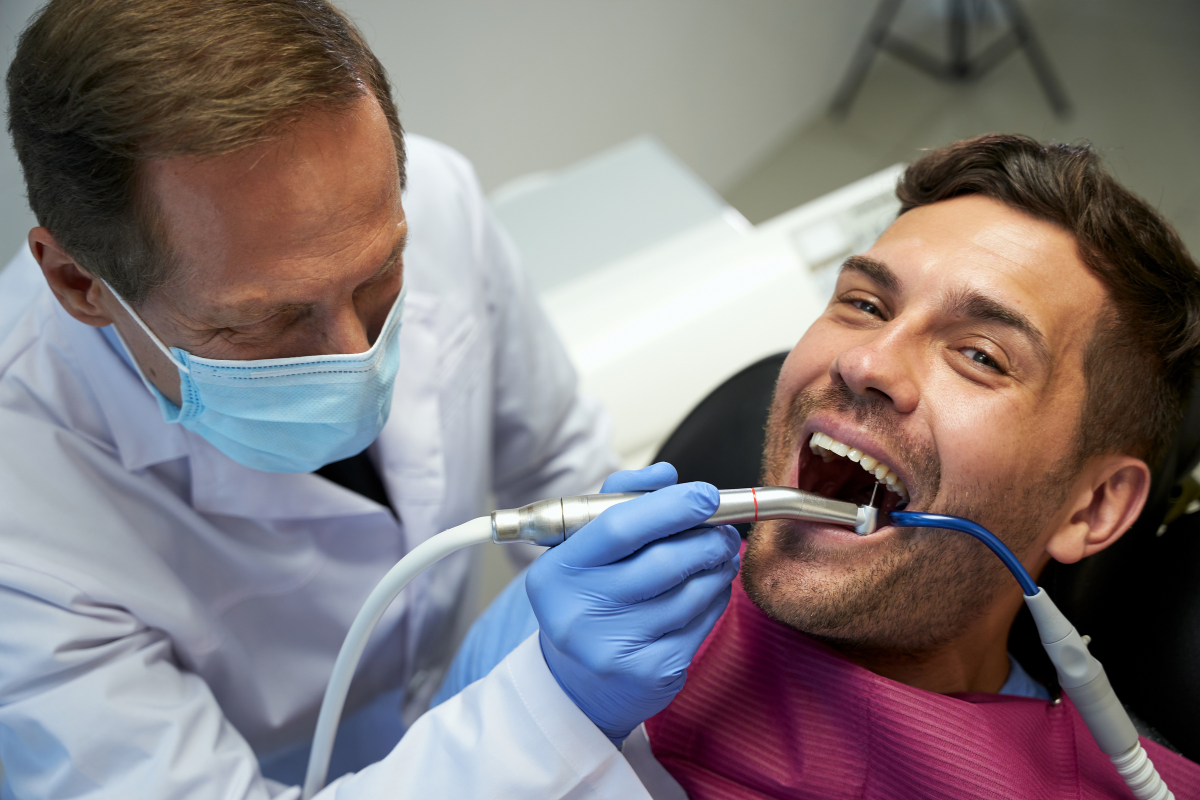
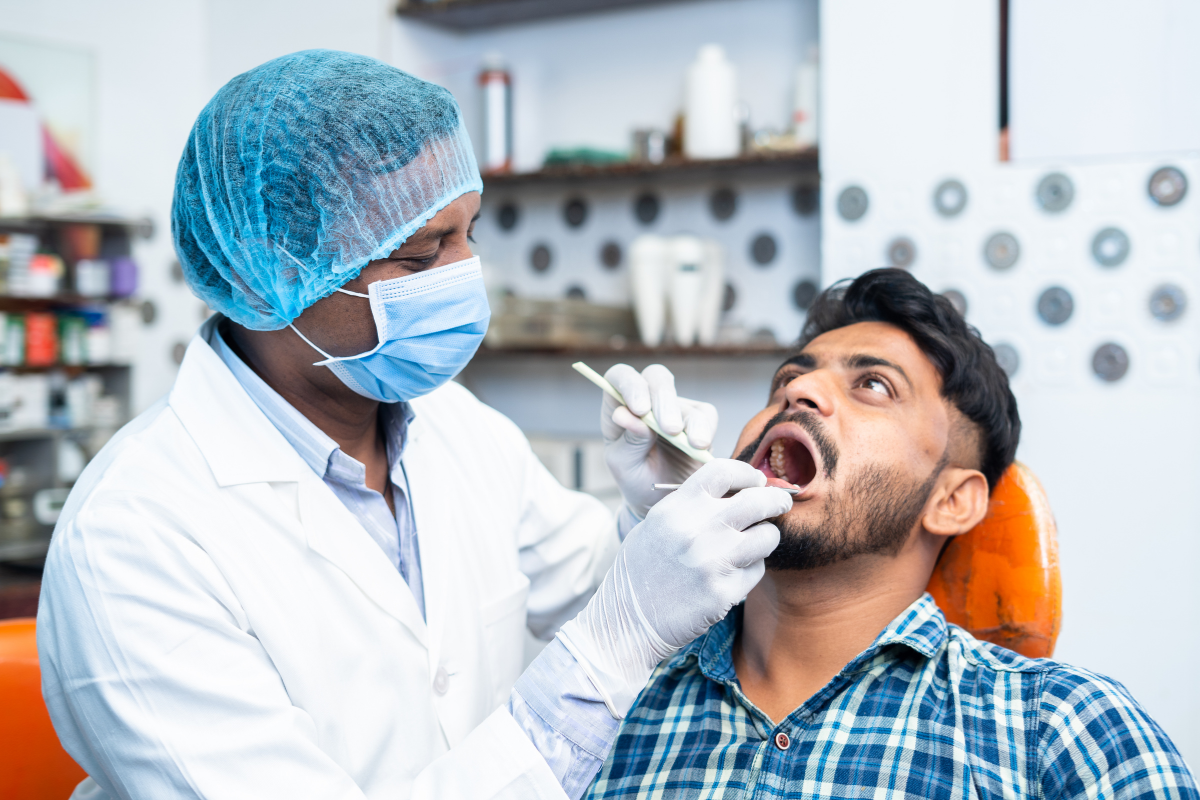
A dentist uses several simple steps to examine your gums and teeth. The visit is usually comfortable and does not take long.
Looking at the Gums
The dentist first checks the color and condition of your gums. Healthy gums are usually firm and light pink.
Swollen or bleeding gums may be signs of infection.
Measuring Gum Pockets
Small spaces naturally exist between the teeth and gums. The dentist may use a small tool to measure these spaces.
When gum disease is present, the pockets can become deeper because the gums pull away from the teeth.
Check for Plaque and Tartar
Plaque is a sticky layer of bacteria. If it stays on the teeth too long, it hardens into tartar.
A Dentist checks for buildup around the gumline because tartar can irritate the gums and worsen infection.
Taking Dental X-Rays
X-rays help show whether the infection has affected the bone supporting the teeth. This helps the dental team understand how advanced the condition may be.
What Happens After the Diagnosis?
The next steps depend on how severe the gum disease is.
Early Stage Care
Mild gum disease may improve with:
- Better brushing habits
- Daily flossing
- Professional cleanings
- Regular dental visits
Early treatment often helps stop the infection before permanent damage happens.
Deeper Cleaning
If the infection has spread below the gums, the dentist may recommend a deeper cleaning to remove bacteria and tartar from the roots of the teeth.
This helps the gums heal and reduces irritation.
Ongoing Monitoring
Some patients need regular gum checks to watch for changes over time. Routine visits help catch problems early and support healthy gums long term.
Signs You Should Not Ignore
Many people wait too long before seeing a dentist because gum disease can progress slowly.
You should schedule a dental visit if you notice:
- Bleeding gums
- Loose teeth
- Gum swelling
- Persistent bad breath
- Pain while chewing
- Gum recession
Patients around Baytown often mention that symptoms started small before becoming more noticeable.
Everyday Habits That Help Protect Your Gums
Healthy gums need regular care at home.
Simple habits include:
- Brushing twice a day
- Flossing daily
- Drinking enough water
- Avoiding tobacco products
- Visiting the Dentist regularly
These steps help reduce plaque and support long-term oral health.
Local Comfort for Families During Visits
Sage Dental is located at 5010 Garth Rd Suite 204, Baytown, TX 77521. Many patients appreciate being close to familiar local spots during appointments.
Family members waiting during treatment often visit nearby places such as:
- San Jacinto Mall Area for shopping and quick errands
- Goose Creek Park for a short walk and some fresh air
- Black Bear Diner for coffee or a meal nearby
- Eddie V. Gray Wetlands Center for a relaxing visit after appointments
These nearby spots can make dental visits easier for both patients and their families.
Meet Dr. Manish Shanker

Dr. Manish Shanker completed his Doctor of Dental Surgery degree at UT Health School of Dentistry. He believes every patient deserves care based on their individual needs and comfort level.
He takes the time to explain treatment options clearly and works closely with patients to build the right care plan. At Sage Dental, Dr. Shanker focuses on patient comfort while using modern dental technology to support better oral health.
Outside of the office, he enjoys spending time with his wife and two children. He also enjoys traveling, movies, and music.
Ready to Take the Next Step?
Healthy gums are important for a healthy smile. If you notice bleeding gums, swelling, or bad breath, early care can help prevent larger problems later. Schedule a consultation with Sage Dental to discuss your concerns and learn more about your treatment options. You can also contact our dental office to speak with our team and plan your next visit.
Conclusion
Gum disease often begins quietly, but early diagnosis can help protect your teeth and gums before the condition worsens. A dentist can identify warning signs, explain the condition clearly, and recommend the right next steps for your oral health.
Regular checkups, good home care, and early treatment all play an important role in keeping your gums healthy for years to come.
FAQs
What are the common signs of unhealthy gums?
Bleeding, swelling, redness, and bad breath are some common warning signs that should not be ignored.
Can gum problems cause loose teeth?
Yes. If the infection becomes severe, it may weaken the support around the teeth.
Is gum disease painful in the beginning?
Many people notice little or no pain during the early stages, which is why regular dental visits matter.
How often should gums be checked?
Most people benefit from regular dental exams every six months, though some may need more frequent visits.
Can smoking affect gum health?
Yes. Tobacco use may increase irritation and slow the healing process inside the gums.
Is gum disease preventable?
Good brushing habits, flossing, healthy eating, and regular cleanings can help lower the risk of gum problems.