Blog

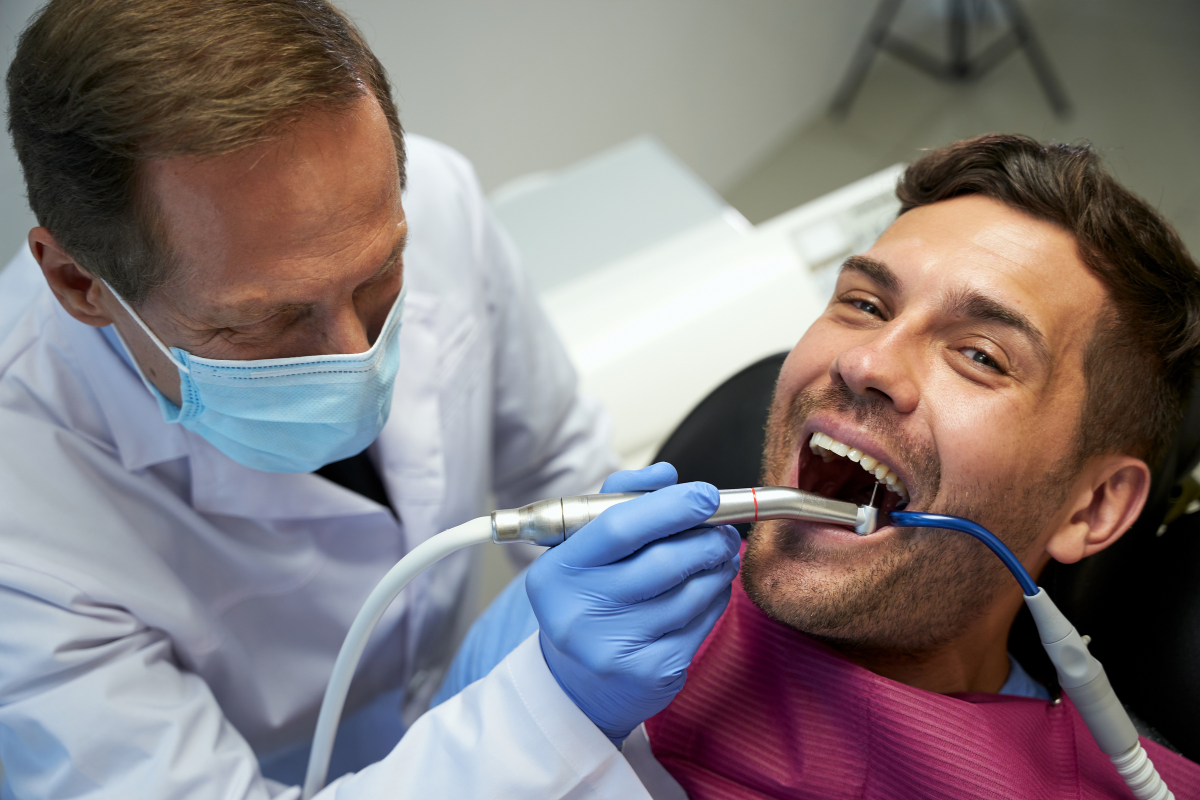
Your body often gives small hints when something is wrong, and your mouth is no different. Many people ignore the early signs and wait until the pain becomes harder to manage. That delay can turn a simple fix into a bigger problem.
Seeing a dentist at the right time helps protect your teeth, your comfort, and your overall health. Let’s walk through the signs you should not ignore.
Meet the Care Behind Your Smile

At Sage Dental in La Porte, care is built around real patient needs. Dr. Inas Rahima, a graduate of Midwestern University College of Dental Medicine, Illinois, brings a calm and focused approach to each visit. She listens first, then guides you with simple steps that make sense for your daily life.
Patients often feel at ease because they know their concerns are heard. Dr. Rahima keeps learning new skills to offer better care and clear solutions.
If you have been putting off a visit, now is a good time to act. Call to book your appointment and take the first step toward better oral health.
1. Tooth Pain That Lingers
Tooth pain is your body asking for help. If it stays for more than a day or gets worse, it may be decay or infection.
A dentist can find the cause early and stop it before it spreads.
2. Bleeding Gums During Daily Care
Gums should not bleed often. If you see blood while brushing or flossing, it may be the start of gum disease.
Early care keeps your gums healthy and helps avoid tooth loss.
3. Bad Breath That Does Not Go Away
If brushing and rinsing do not help, the cause may be deeper. Bacteria under the gums often lead to ongoing odor.
A checkup can clear the source and improve your oral health.
4. Sharp Sensitivity to Hot or Cold
A quick reaction to hot coffee or cold drinks may seem small, but it can mean enamel wear or exposed roots.
Getting help early can reduce pain and protect your teeth.
5. Loose Teeth or Shifting Position
Adult teeth should stay firm. If they feel loose or start to move, it may be a sign of bone or gum issues.
This needs quick care to prevent further damage.
6. Sores That Do Not Heal
Mouth sores should heal within two weeks. If they stay longer, they need to be checked.
It is always better to be safe and get a clear answer.
7. Jaw Pain or Clicking
Pain while chewing or a clicking sound can point to joint strain or grinding.
A dentist can help ease the pressure and improve comfort.
8. Dry Mouth That Feels Constant
Saliva protects your teeth. A dry mouth can increase the risk of cavities and infections.
Simple steps and care advice can help manage this issue.
9. Changes in Your Bite
If your bite feels different or uneven, it may mean your teeth are shifting.
Small changes can lead to bigger problems if left untreated.
Why Early Visits Make a Difference
Life gets busy. Between work, school, and family time, dental care often gets delayed. Many families in La Porte face the same challenge. But small signs should not wait.
Seeing a dentist early helps avoid pain, reduces costs, and keeps your smile strong. Regular care also helps catch problems you may not notice at home.
What You Can Do Today
Pay attention to how your mouth feels each day. If something seems off, trust that feeling. Early action makes a big difference.
Your comfort matters, and so does your long-term health.
Conclusion
Ignoring small dental signs can lead to bigger issues over time. Acting early keeps things simple and stress-free. A trusted dentist can guide you with the right care at the right time.
If you notice any of these signs, do not wait. Schedule a consultation with Sage Dental to protect your smile. You can also contact our Sage Dental office to get answers and plan your next visit with confidence.
Frequently Asked Questions
1. How can I tell if my tooth pain needs urgent care?
Tooth pain that lasts more than 24 to 48 hours, gets worse, or spreads to your jaw or ear needs attention. Pain while chewing or sudden sharp pain can mean decay or infection. Early care helps prevent root damage or tooth loss.
2. Why do my gums bleed even when I brush gently?
Bleeding gums are often an early sign of gum disease. This happens when plaque builds up along the gum line. If not treated, it can lead to swelling, bad breath, and even loose teeth. Regular cleaning and proper brushing habits can help reverse early stages.
3. What causes constant bad breath even after brushing?
Ongoing bad breath is usually caused by bacteria trapped between teeth or under the gums. It may also be linked to dry mouth or untreated cavities. A dental exam can help find the exact cause and fix it with the right treatment.
4. Is tooth sensitivity something I should worry about?
Yes, sensitivity to hot, cold, or sweet foods can be a sign of enamel wear, cavities, or exposed roots. It may seem mild at first, but it often gets worse over time if ignored. Early treatment can reduce discomfort and protect your teeth.
5. What does it mean if my teeth feel loose?
Loose teeth in adults are not normal. This can be caused by gum disease or bone loss around the teeth. Without care, it may lead to tooth loss. A dental visit can help stabilize your teeth and stop further damage.
6. How often should I visit for a dental checkup?
Most people should visit every six months for a cleaning and exam. Some may need more frequent visits based on their oral health. Regular checkups help catch problems early, even before symptoms appear.