Blog

Missing teeth can affect far more than your smile; they can impact how you eat, speak, and feel about yourself every single day. If you’ve been putting off replacing a missing tooth because of cost concerns, you’re not alone. But when you weigh short-term expenses against long-term benefits, dental implants consistently come out ahead as one of the smartest decisions you can make for your oral health and overall well-being.
In this post, we’ll break down why dental implants are worth considering, how they compare to other tooth-replacement options, and what to expect if you decide to move forward.
What Are Dental Implants, Exactly?
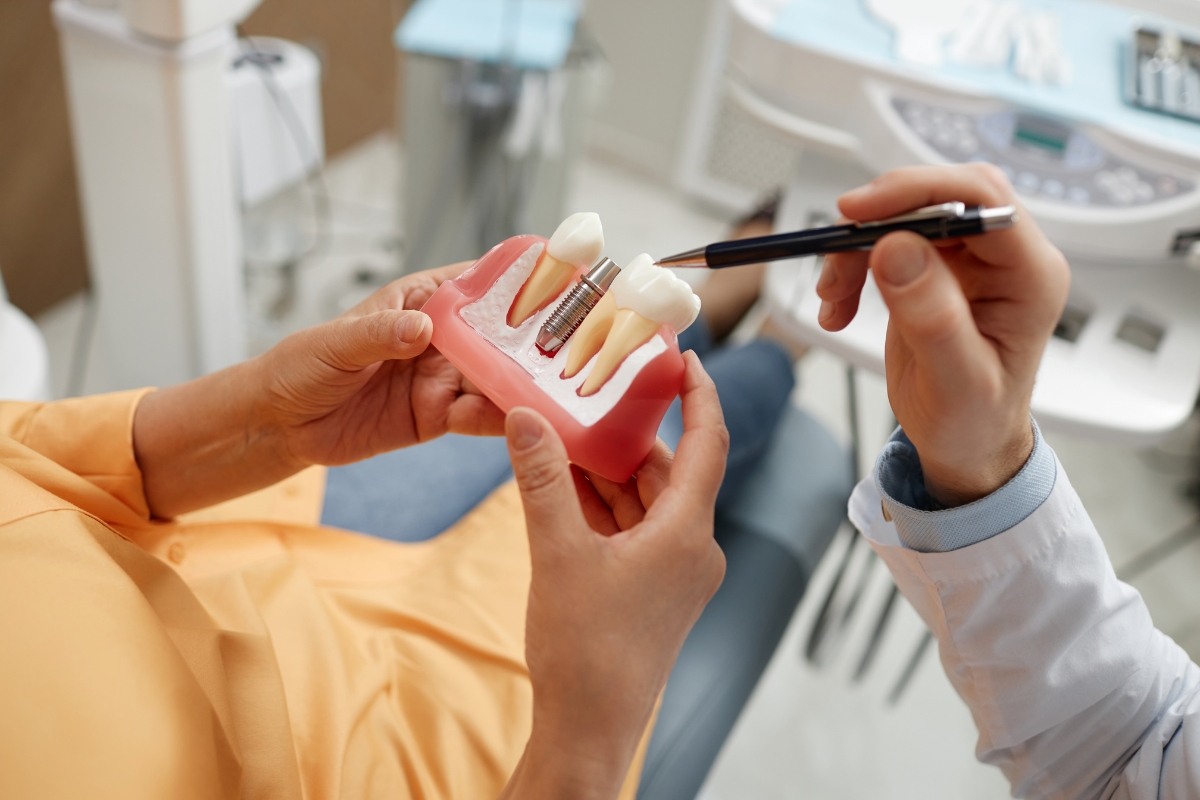
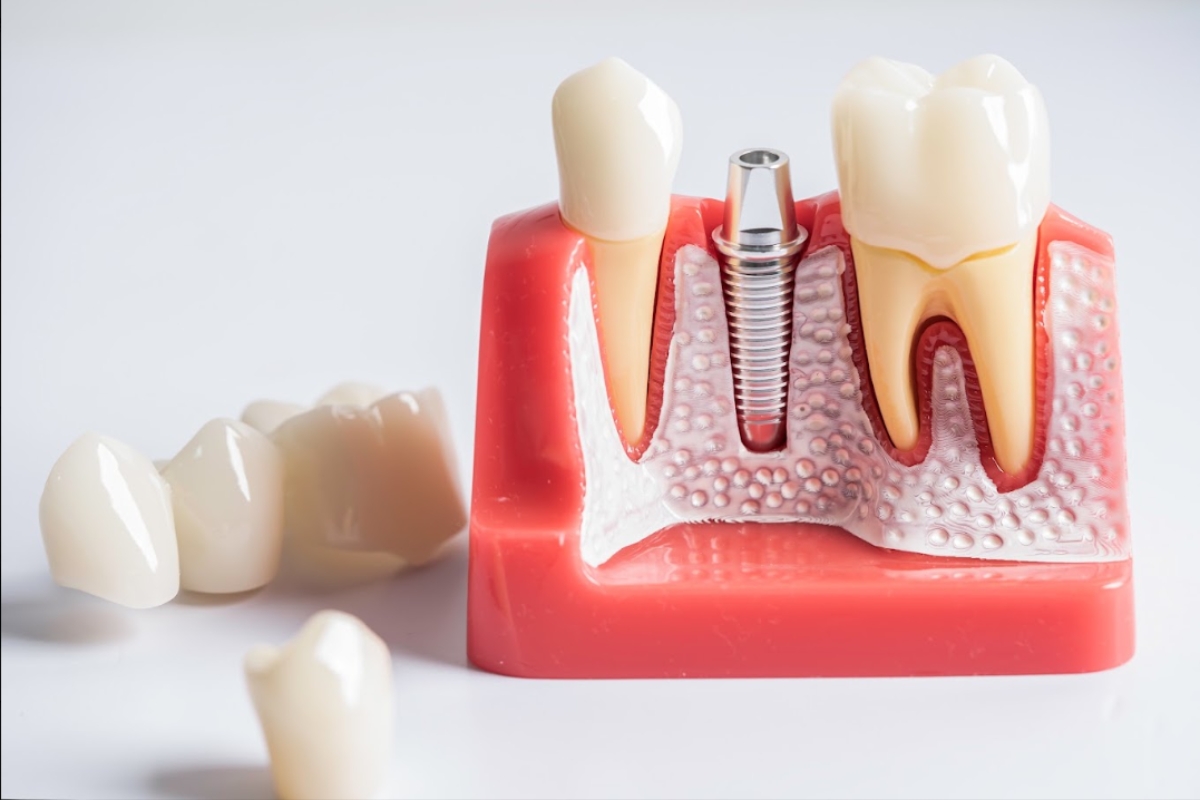
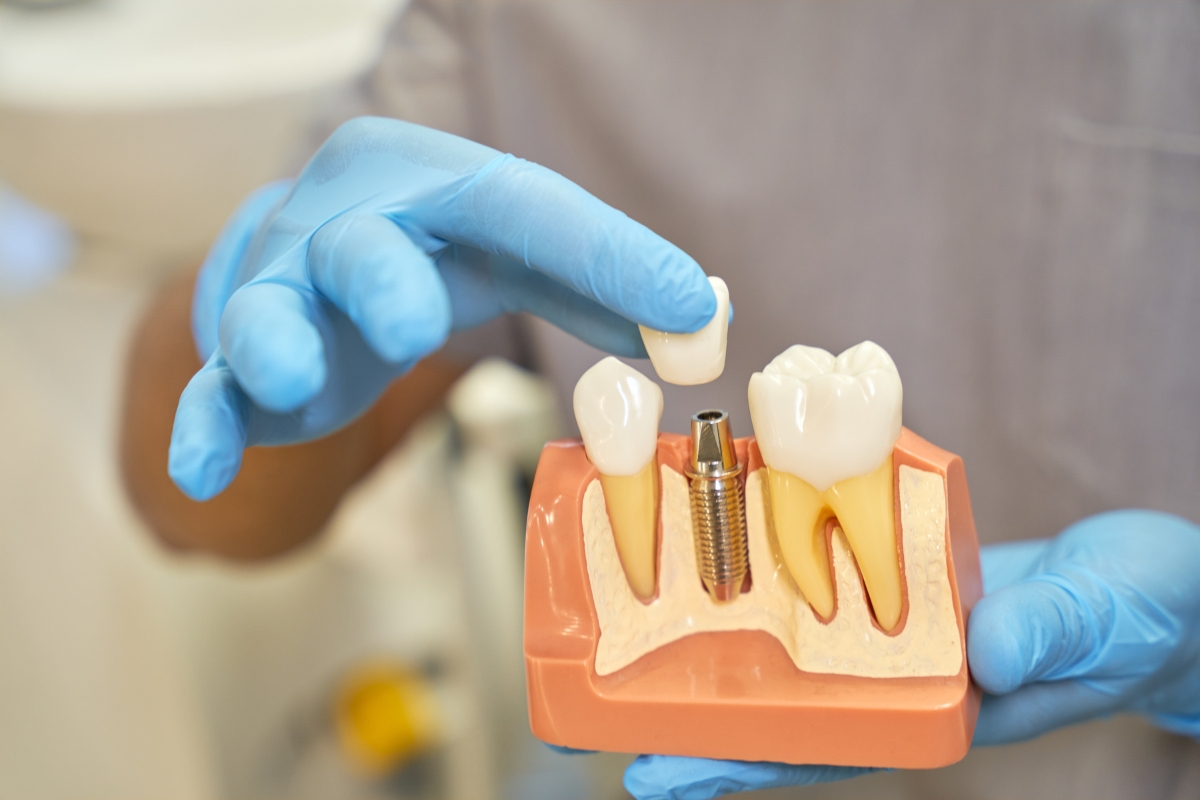
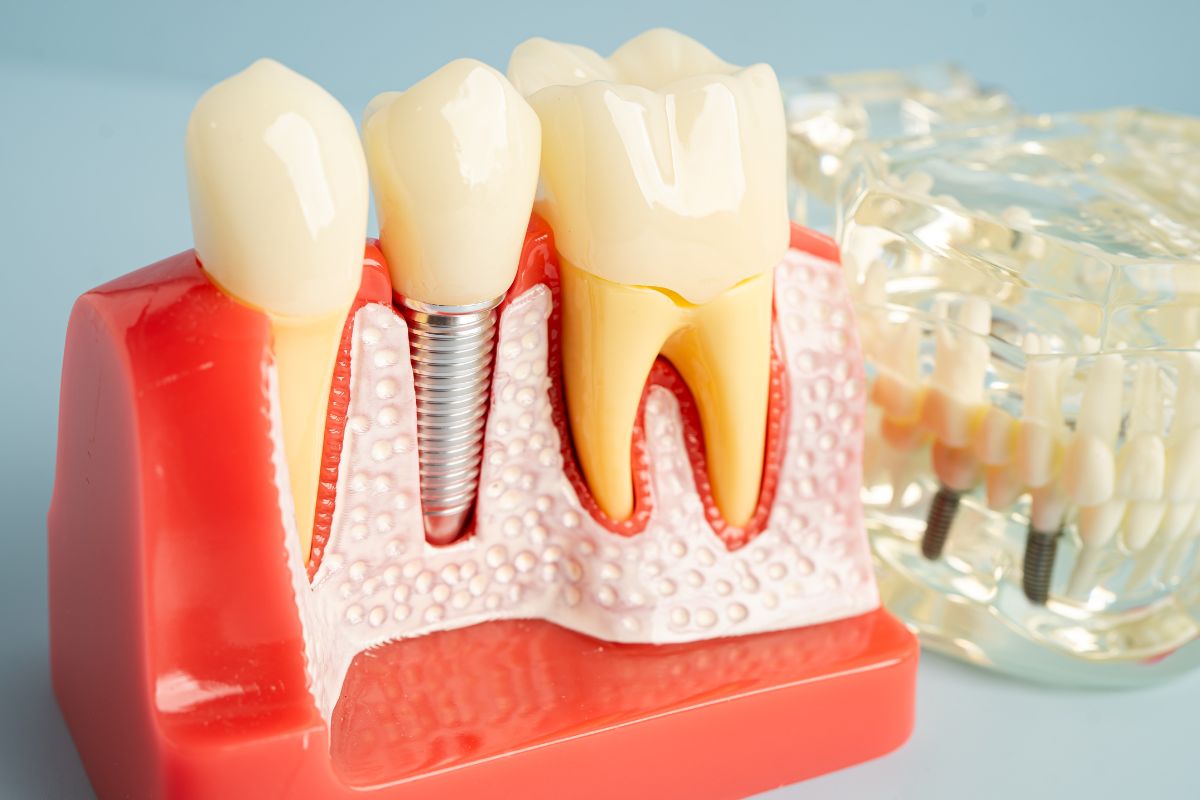
A dental implant is a small titanium post that’s surgically placed into the jawbone, acting as an artificial tooth root. Once it heals and fuses with the bone (a process called osseointegration), a custom-made crown is attached on top.
Unlike dentures or bridges, dental implants are designed to look, feel, and function like natural teeth. They don’t rely on adjacent teeth for support, which makes them a more conservative and long-lasting solution.
The Real Cost of Missing Teeth
Before comparing prices, it’s worth understanding what happens when a missing tooth is left untreated:
- Bone loss: the jawbone begins to shrink without a tooth root stimulating it
- Shifting teeth: neighboring teeth can drift into the space, causing bite problems
- Facial sagging: long-term bone loss can change the shape of your face
- Difficulty chewing: leading to poor nutrition and digestive strain
- Lower self-confidence: many patients avoid smiling or speaking openly
These issues tend to compound over time, often leading to more complex and more expensive dental work down the road.
Why Dental Implants Are a Smart Long-Term Investment
1. They’re Built to Last
With proper care, dental implants can last 20-30 years or even a lifetime. Compare that to dental bridges, which typically need replacement every 10-15 years, or dentures, which often require adjustments and relining every few years.
2. They Preserve Your Jawbone
Because the implant post replaces the natural tooth root, it continues to stimulate the jawbone the same way a real tooth would. This helps prevent the bone deterioration that comes with other replacement options.
3. They Protect Your Remaining Teeth
Traditional bridges require grinding down healthy adjacent teeth for support. Dental implants stand independently, meaning your other teeth stay untouched and healthier for longer.
4. They Function Like Natural Teeth
Patients with dental implants can eat their favorite foods, speak clearly, and smile with confidence without worrying about slipping, clicking, or discomfort that’s common with removable dentures.
5. They Offer Long-Term Cost Savings
While the upfront cost of dental implants is higher than dentures or bridges, their durability often makes them more cost-effective over a lifetime. Fewer replacements, fewer repairs, and fewer complications add up to real savings over time.
Dental Implants vs. Other Options: A Quick Comparison
| Factor | Dental Implants | Bridges | Dentures |
|---|---|---|---|
| Lifespan | 20+ years | 10-15 years | 5-10 years |
| Bone preservation | Yes | No | No |
| Affects nearby teeth | No | Yes | No |
| Stability | Excellent | Good | Fair |
| Long-term cost | Lower over time | Moderate | Recurring |
Who Is a Good Candidate for Dental Implants?
Most healthy adults with sufficient jawbone density are good candidates for dental implants. Factors your dentist will evaluate include:
- Overall gum health
- Bone density in the jaw
- Any underlying medical conditions (like uncontrolled diabetes)
- Smoking habits, which can affect healing
If bone density is a concern, procedures like bone grafting can often help you become eligible for dental implants.
What to Expect During the Process
Getting dental implants typically involves a few stages spread over several months:
- Consultation and planning: X-rays or 3D scans assess bone structure
- Implant placement: the titanium post is surgically positioned
- Healing period: osseointegration occurs over a few months
- Restoration: a custom crown, bridge, or denture is attached
While it requires patience, most patients say the long-term comfort and confidence make the process well worth it.
Common Patient Questions
Does getting dental implants hurt?
Most patients report minimal discomfort, similar to a tooth extraction. Local anesthesia is used during the procedure, and any post-treatment soreness is usually manageable with over-the-counter pain relief.
How long does the entire process take?
It varies by patient, but the full process from placement to final restoration typically takes three to six months to allow for proper healing.
Are dental implants noticeable?
No. Implant crowns are custom-shaded and shaped to match your natural teeth, so they blend in seamlessly with your smile.
Can I get a dental implant if I’ve had missing teeth for years?
In many cases, yes. If bone loss has occurred, a bone graft can help rebuild the area to support an implant.
Is the cost of dental implants covered by insurance?
Coverage varies by provider and plan. Our team can help you understand your options and discuss financing plans that make treatment more accessible.
Will I need to replace a dental implant later on?
The implant post itself is designed to be permanent. With good oral hygiene and regular checkups, it can last decades without needing replacement.
Take the First Step Toward a Healthier Smile
Choosing dental implants isn’t just about replacing a missing tooth it’s about investing in your long-term health, confidence, and quality of life. From preserving your jawbone to protecting your natural teeth, the benefits extend far beyond aesthetics.
If you’ve been considering dental implants, there’s no better time than now to explore your options with a team you can trust.
Schedule your appointment today at Sage Dental – Pearland, located in Pearland, TX 77581. Our experienced team is here to answer your questions, walk you through the process, and help you find the right solution for your smile.