Blog

Getting a dental implant is one of the best investments you can make for your oral health. But after the procedure, most patients have the same pressing question: “When can I eat normally again?”
Chewing after dental implants is not something you want to rush. The healing process is carefully timed and what you eat (and when) plays a major role in whether your implant succeeds long-term. If you’ve recently had an implant placed, or you’re considering one, this guide walks you through exactly what to expect at every stage of recovery.
Understanding the Dental Implant Healing Process
Before diving into timelines, it helps to understand what’s actually happening beneath your gumline.
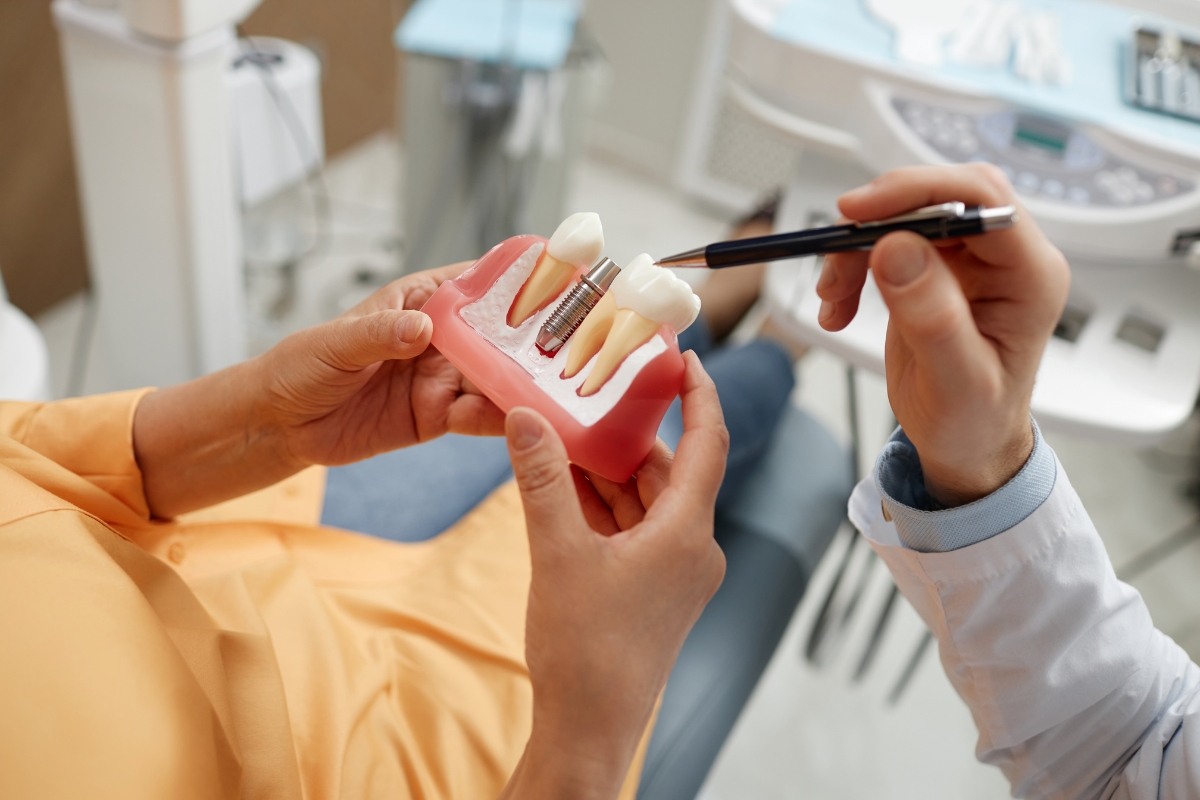
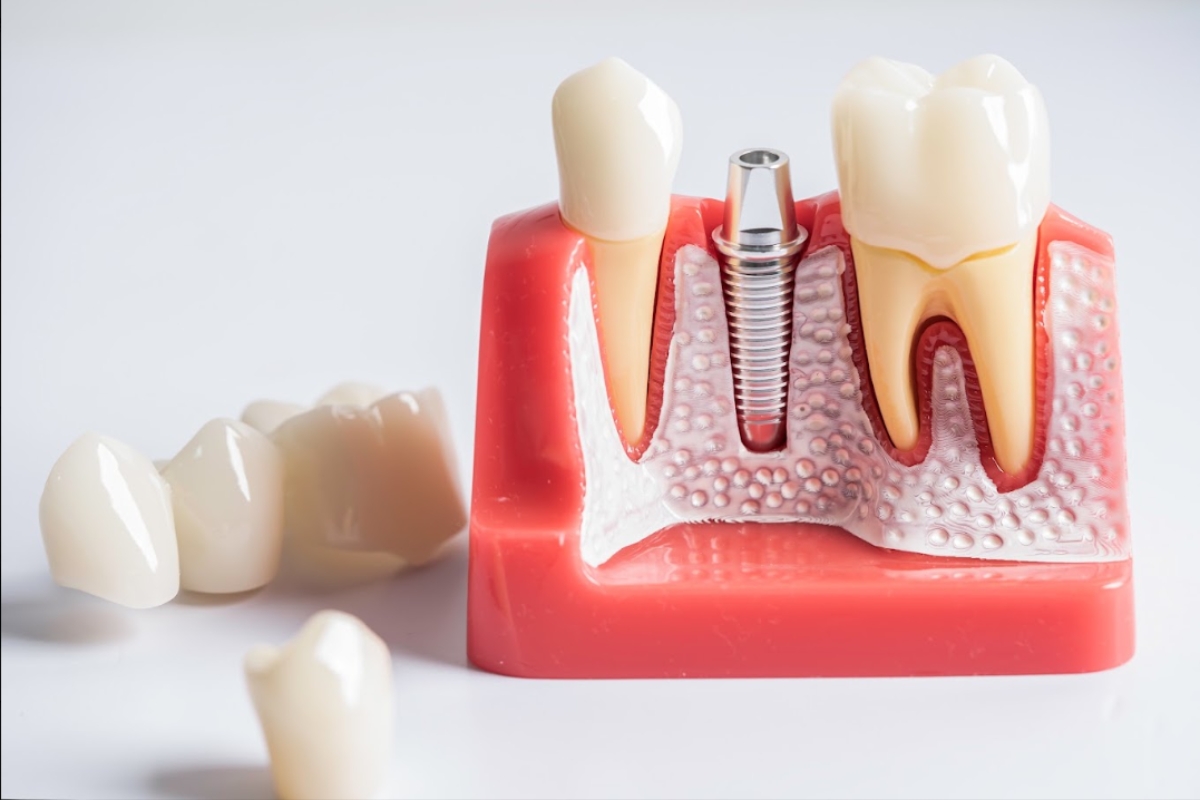
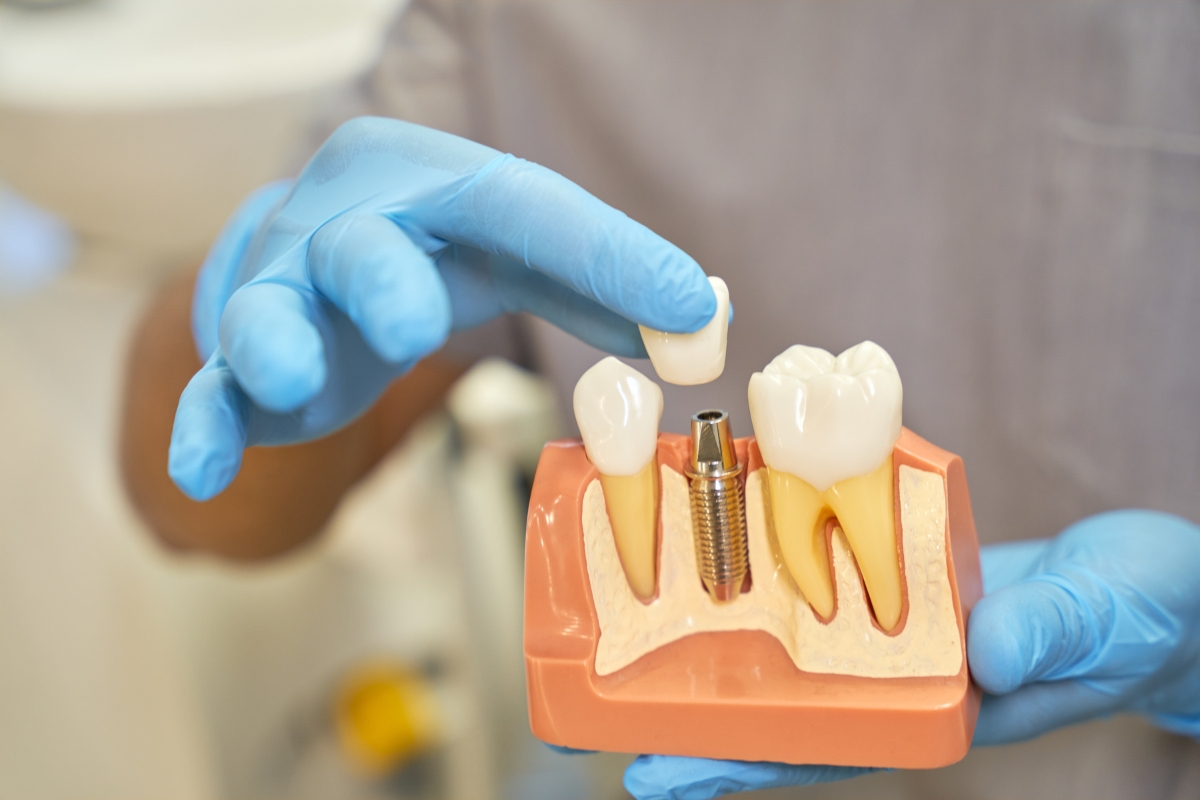
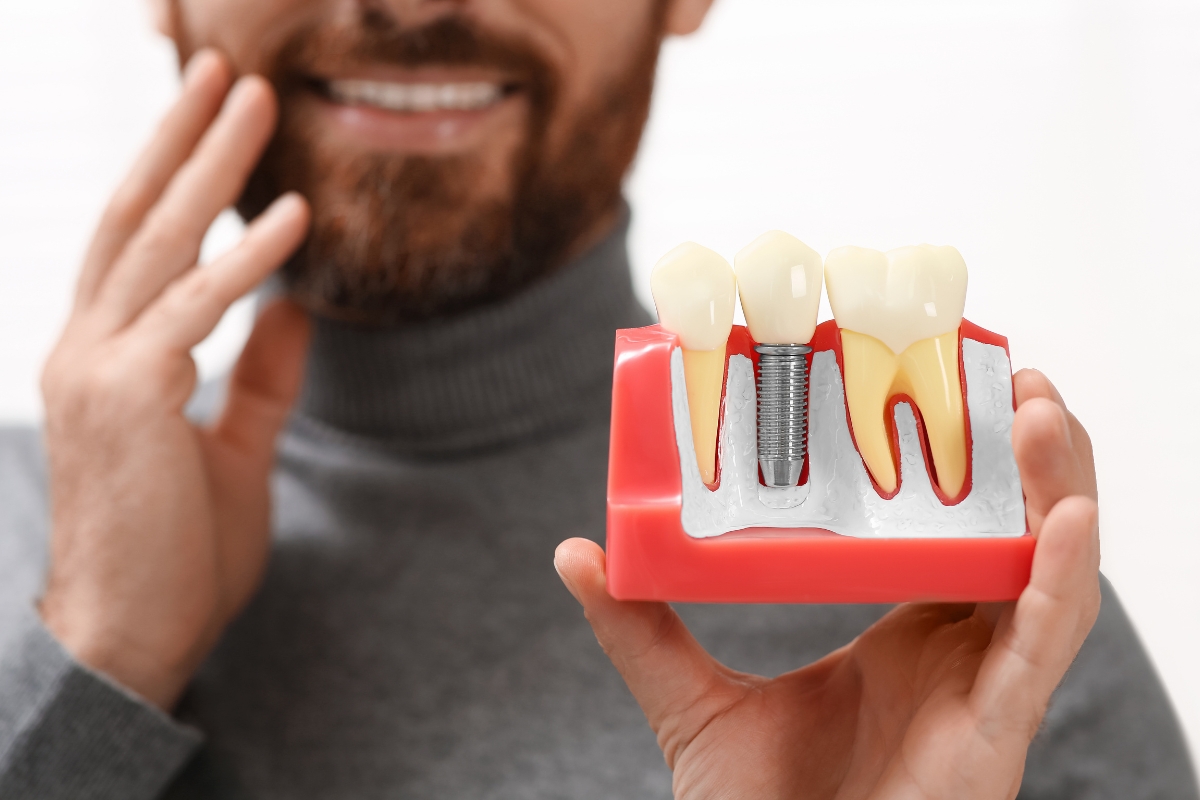
A dental implant is a titanium post surgically placed into your jawbone. Over the following weeks and months, the bone gradually fuses around this post a process called osseointegration. This fusion is what makes implants so durable and lifelike. But it also means the implant needs time and stability to anchor properly.
Putting too much pressure on the implant before osseointegration is complete can disrupt this bonding process and, in some cases, cause the implant to fail. This is why your dentist will give you specific chewing restrictions during recovery.
Chewing After Dental Implants: A Stage-by-Stage Timeline
The First 24–48 Hours: Rest the Area Completely
Immediately after surgery, your mouth will be tender and likely numb from anesthesia. Stick to:
- Cold liquids like water, smoothies, or protein shakes
- Yogurt or applesauce
- Avoid anything hot, crunchy, or chewy entirely
Do not chew anywhere near the implant site during this window.
Days 3–7: Soft Foods Only
As initial swelling begins to subside, you can slowly introduce soft foods. Good options include:
- Mashed potatoes and soft-cooked vegetables
- Scrambled eggs or soft-boiled eggs
- Oatmeal, soft pasta, or well-cooked rice
- Bananas and other soft fruits
Continue to chew on the opposite side of your mouth from the implant. Avoid anything that requires significant bite force.
Weeks 2–6: Gradual Progression
Most patients begin to feel more comfortable around the two-week mark. Swelling has typically resolved, and the gum tissue is healing well. You may be able to add:
- Soft meats like fish or ground beef
- Cooked legumes and tender vegetables
- Soft bread (avoid crusty varieties)
Still avoid hard, sticky, or crunchy foods. Your implant post is anchored, but osseointegration is still in progress.
3–6 Months: Approaching Normal Chewing
This is the most important milestone. Full osseointegration typically takes 3 to 6 months, depending on factors like:
- The location of the implant (upper jaw heals slower than lower)
- Your overall bone density
- Whether a bone graft was required
- Your general health and healing ability
Once your dentist confirms the implant has fully fused through a clinical exam or X-ray, the permanent crown is placed and normal chewing can typically resume.
Still unsure where you are in the healing process? The team at Sage Dental in Pearland, TX is happy to evaluate your implant and let you know exactly when you’re ready to eat without restrictions. Schedule your appointment today.
Foods to Avoid Throughout Recovery
Some foods pose a risk at any stage of early healing. Keep these off the menu until your dentist clears you:
- Hard foods nuts, hard candy, ice, raw carrots
- Sticky foods caramel, chewing gum, taffy
- Crunchy foods chips, popcorn, pretzels
- Chewy meats steak, jerky, tough cuts
- Extremely hot foods can increase swelling and discomfort
- Alcohol and tobacco significantly impair healing
Signs That Healing Is Going Well
As you move through recovery, you want to see these positive signs:
- Swelling and bruising decreasing after the first few days
- No persistent or worsening pain (some soreness is normal early on)
- The gum tissue around the implant appears pink and healthy
- No unusual movement or looseness in the implant area
If you notice ongoing pain, swelling that worsens after day 3, or any foul taste or odor, contact your dental provider promptly.
What Happens If You Chew Too Soon?
Eating hard or sticky foods before your implant has healed can lead to:
- Micromovement of the implant post, interrupting fusion with the bone
- Infection if food particles get into the surgical site
- Implant failure, requiring removal and a repeat procedure
- Prolonged healing time and added discomfort
The good news is that implant failure due to premature chewing is entirely preventable simply follow your dentist’s post-operative instructions.
Tips to Make the Soft-Food Phase Easier
Recovery doesn’t have to feel like deprivation. Here are a few ways to stay comfortable and well-nourished:
- Invest in a good blender. Smoothies packed with protein powder, nut butters, and soft fruits keep calories and nutrients up.
- Try new soft recipes. Soups, stews, hummus, and polenta are surprisingly satisfying.
- Eat smaller, more frequent meals to avoid hunger without overworking your jaw.
- Stay hydrated. Water supports tissue healing and keeps the mouth clean.
- Take prescribed medications on schedule to manage pain and reduce inflammation.
Your Questions About Chewing After Dental Implants, Answered
How long after getting a dental implant can I eat solid food?
Most patients can return to a relatively normal diet within 3 to 6 months, once osseointegration is confirmed. Soft solids are often possible within a week or two, but hard and crunchy foods should wait until your dentist gives you the all-clear after the permanent crown is placed.
Can I chew on the other side of my mouth right away?
Yes, in most cases. Chewing on the side opposite your implant is generally fine from early in recovery. Just make sure you’re avoiding foods that could send pressure or fragments toward the surgical site.
Is it normal for my implant to feel slightly loose at first?
A newly placed implant post can feel slightly unfamiliar, but it should not feel noticeably loose or mobile. If you detect movement, call your dentist right away this could indicate a problem with early healing.
What if I accidentally bite down on something hard during recovery?
Don’t panic, but do pay attention. If you experience sharp pain, swelling, or feel something shift, contact your dental provider for an evaluation. One incident doesn’t necessarily mean failure, but it’s worth checking.
Does the healing timeline change if I had a bone graft?
Yes. If bone grafting was needed to support the implant, healing generally takes longer sometimes up to 6 months or more before the implant is placed, and additional time before full fusion. Your dentist will give you a personalized timeline based on your imaging.
Will chewing feel different after the permanent crown is placed?
Briefly, yes. It may take a few days to adjust to the new bite. If your crown feels high or uneven after a week, have your dentist adjust it. A well-fitted crown should feel natural and comfortable.
Ready to Take the Next Step?
Dental implants are built to last a lifetime but that outcome depends on proper healing and the right aftercare. Understanding when chewing after dental implants is safe (and what to avoid in the meantime) is one of the most important things you can do to protect your investment.
At Sage Dental in Pearland, TX, our team is committed to guiding you through every phase of your implant journey from the initial consultation to the moment you’re back to eating everything you love.
Schedule your appointment today and let us create a personalized care plan that puts your long-term oral health first.