Blog

A damaged or missing tooth can raise many questions. Some patients worry about pain, while others wonder whether replacing the tooth is really necessary. It’s common for people to delay treatment because they hope the problem will resolve on its own. However, ignoring a damaged tooth may lead to several oral health issues over time.
Many patients ask their dentist whether a dental implant is truly necessary. While every case is unique, dentists often recommend replacing a missing or severely damaged tooth to protect long-term oral health. Without treatment, the surrounding teeth and jawbone structures can change in ways that may affect your smile and comfort.
At Sage Dental, patients in Pearland receive personalized guidance to understand their options. In this article, we explain what may happen if a damaged tooth remains untreated and why many dentists recommend dental implants as a reliable solution.
Guidance From Dr. Binh Pham – Prosthodontist in Pearland

At Sage Dental, patients benefit from the experience and compassionate care of Dr. Binh Pham, a prosthodontist who focuses on restoring function, comfort, and appearance.
Dr. Pham was born and raised in southern Louisiana. She earned her Bachelor of Science in Biology from Louisiana State University in Baton Rouge. After completing her undergraduate studies, she attended the Louisiana State University School of Dentistry in New Orleans, where she received her Doctor of Dental Surgery degree.
During dental school, Dr. Pham developed a strong interest in advanced dental prosthetics and restorative procedures. She later moved to Houston and completed a three-year prosthodontics residency at the University of Texas Health Science Center, where she earned a Master of Science in Dentistry.
Dr. Pham enjoys working closely with patients and explaining how restorative treatments can improve oral health, chewing ability, and overall comfort. Her patient-centered approach helps individuals understand their options before choosing a treatment plan.
In her free time, she enjoys spending time with her family, cross-stitching, knitting, traveling, and exploring new restaurants around Houston.
If you are dealing with a damaged or missing tooth, scheduling a consultation can help you understand the best treatment options. Contact Sage Dental today to schedule an appointment with Dr. Binh Pham and receive personalized guidance for restoring your smile.
Why Replacing a Damaged Tooth Matters
A missing or severely damaged tooth affects more than appearance. Teeth work together to maintain balance in your mouth. When one tooth disappears, nearby teeth and bone structures must compensate.
Many Pearland dentists recommend replacing a missing tooth promptly to prevent these changes.
Common consequences of leaving a tooth untreated include:
- Shifting of nearby teeth
- Bite alignment problems
- Difficulty chewing certain foods
- Increased wear on surrounding teeth
Over time, these changes may create additional dental concerns that require more complex treatment.
What Happens if You Don’t Replace a Missing Tooth?
Understanding the possible outcomes can help patients make informed decisions about treatment.
1. Jawbone Loss
The jawbone depends on tooth roots for stimulation. When a tooth disappears, that stimulation stops. As a result, the bone in that area gradually begins to shrink.
Dental implants help prevent this process because they replace the missing tooth root.
2. Shifting Teeth
Your teeth naturally support each other. If one tooth disappears, neighboring teeth may begin to move toward the empty space.
This shifting may lead to:
- Crooked teeth
- Bite changes
- Difficulty cleaning between teeth
3. Increased Risk of Gum Problems
Spaces left by missing teeth often trap food particles and bacteria. This buildup may increase the risk of gum irritation or infection.
4. Changes in Facial Appearance
Bone loss over time can affect facial structure. Some people notice slight changes around the jawline or cheeks if several teeth remain missing for long periods.
Step-by-Step Advice From Dentists for Protecting Your Smile
If you have a damaged tooth, dentists recommend taking a proactive approach.
Step 1: Schedule a Dental Evaluation
A dentist can examine the damaged tooth and determine whether restoration or replacement offers the best solution.
Step 2: Discuss Tooth Replacement Options
Common options may include:
- Dental implants
- Dental bridges
- Partial dentures
Each option offers different benefits depending on your oral health and lifestyle.
Step 3: Maintain Strong Oral Hygiene
Daily care helps protect remaining teeth and gums.
- Brush twice a day
- Floss daily
- Schedule regular dental visits
Step 4: Monitor Any Changes
If you notice shifting teeth, chewing discomfort, or sensitivity, inform your dental professional promptly.
Why Dental Implants Are Often Recommended
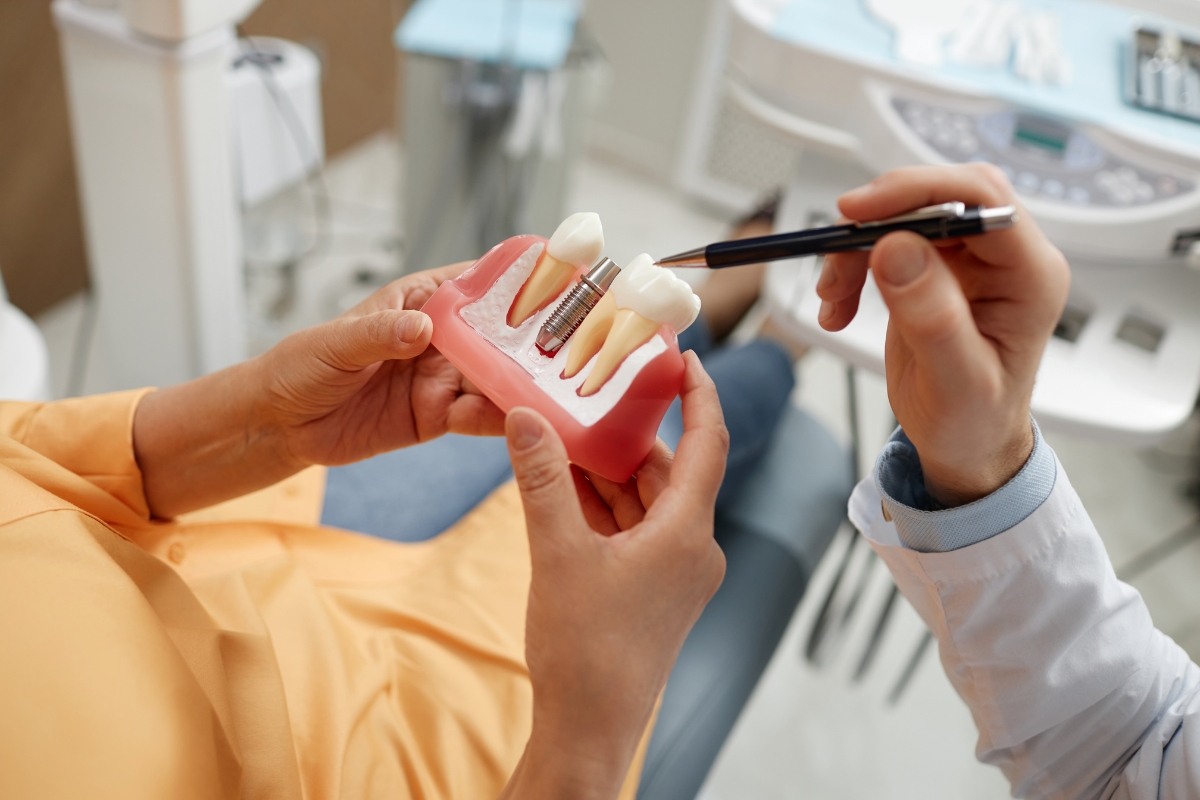
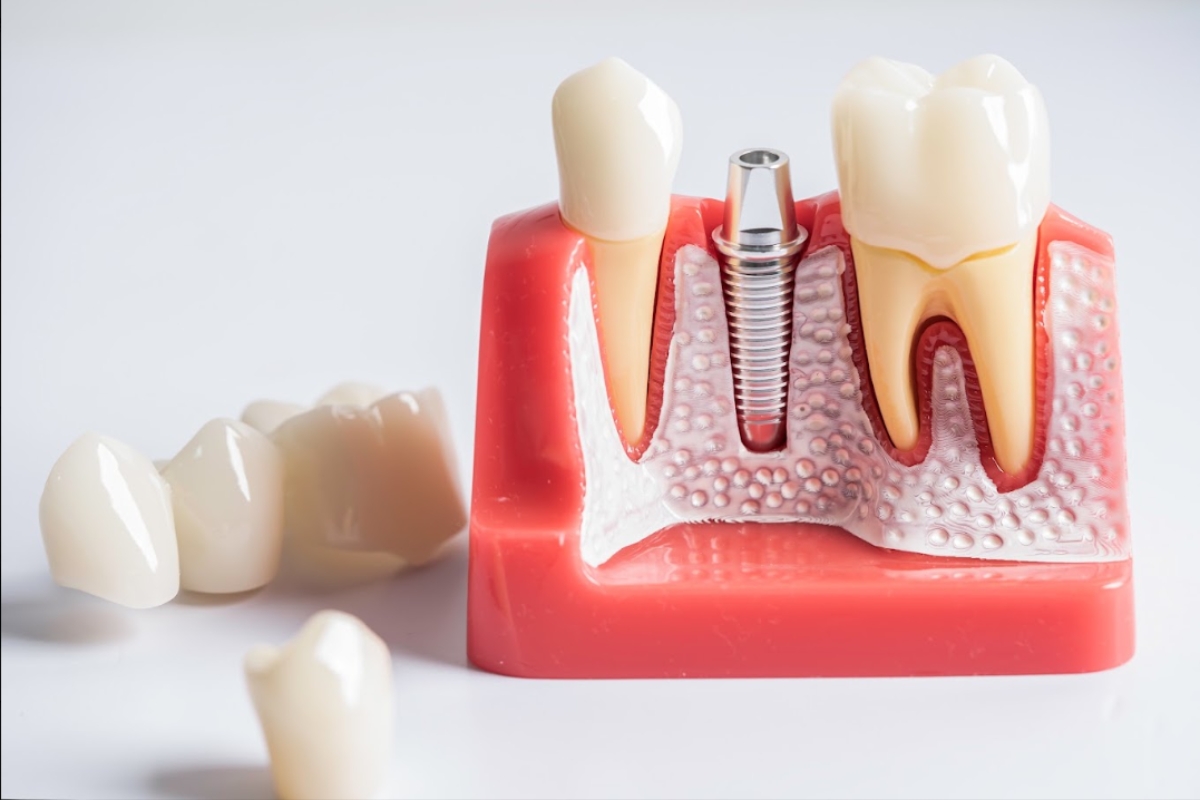
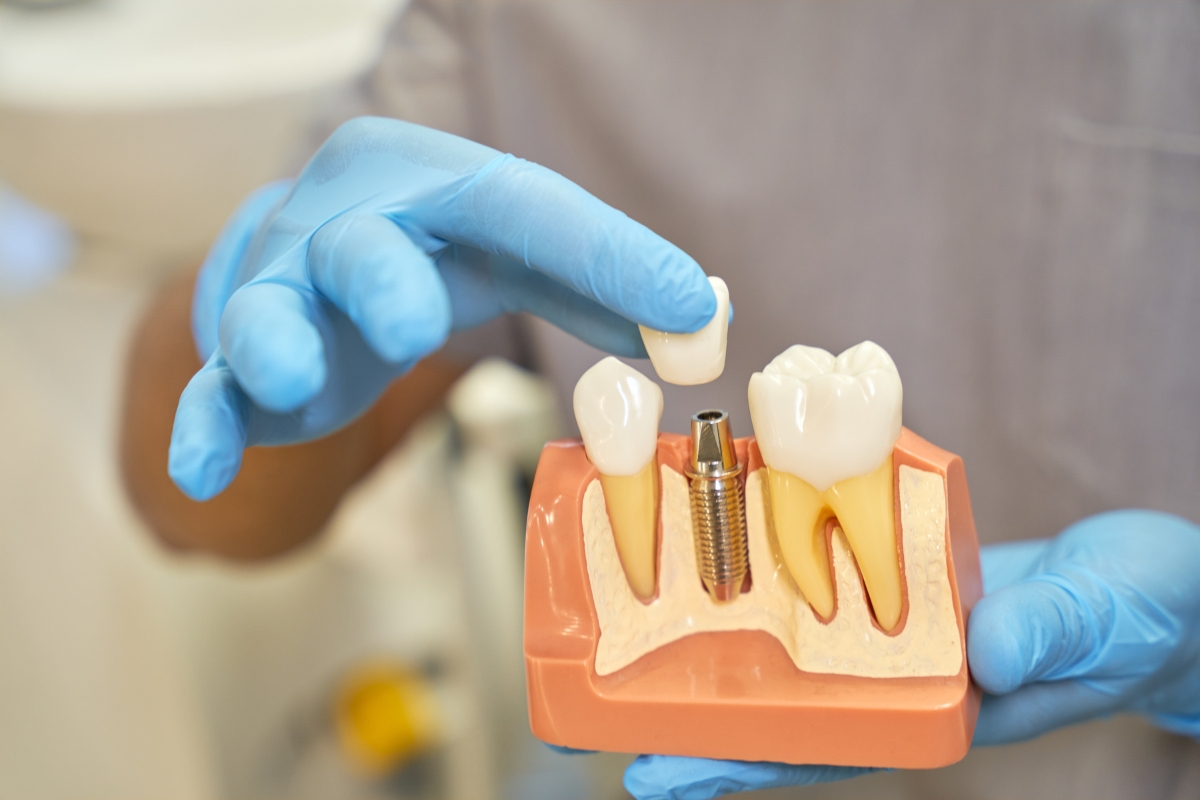
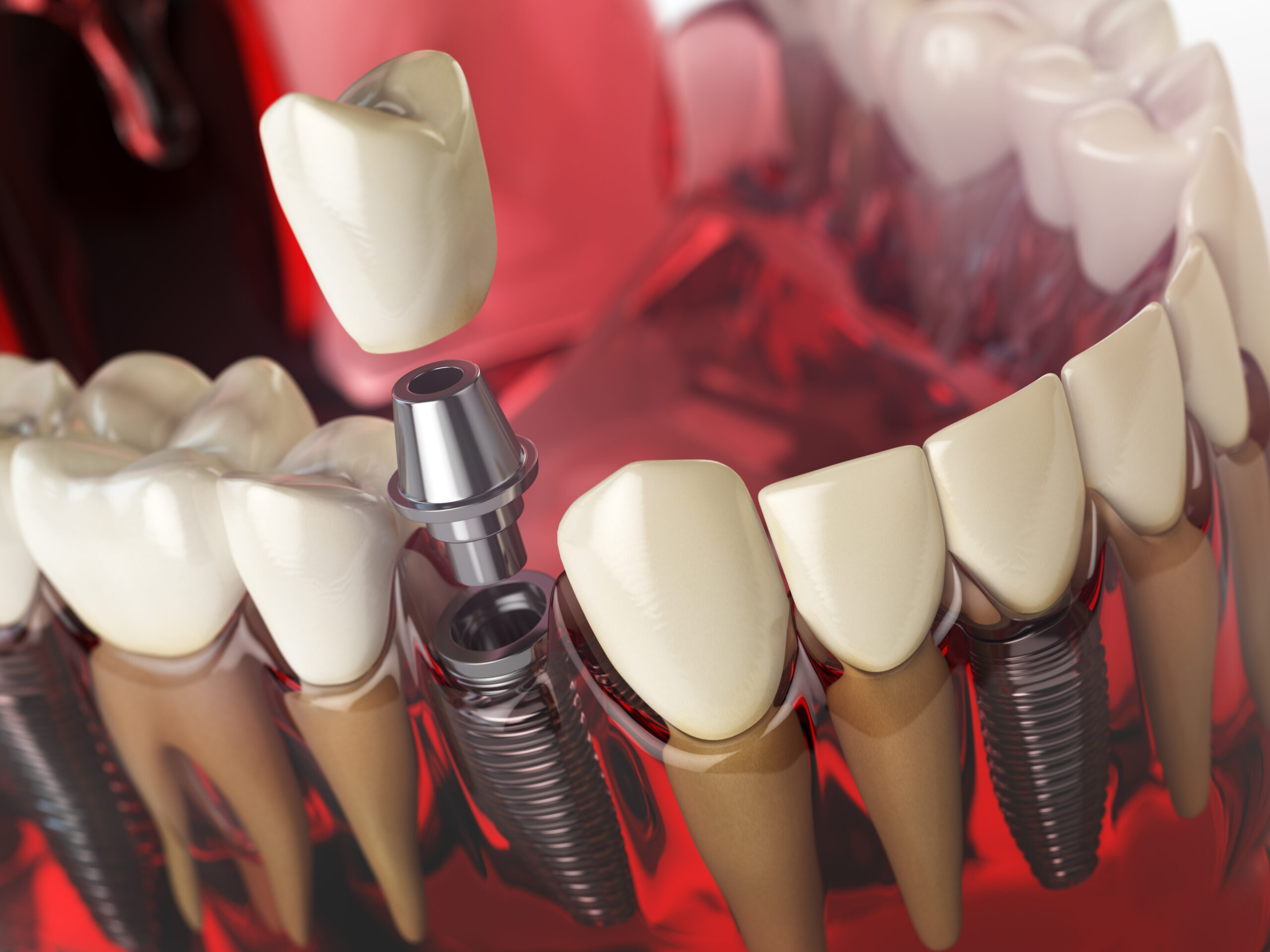
Dental implants provide a long-term solution for replacing missing teeth. They restore both the visible tooth and the underlying root structure.
Benefits of dental implants may include:
- Improved chewing ability
- Better stability than removable appliances
- Preservation of jawbone structure
- Natural appearance and feel
Many dentists recommend implants because they closely replicate the function of natural teeth.
A Real Patient Experience at Sage Dental
Trust often develops through real patient experiences. Many people visit our clinic feeling unsure about dental treatment, especially when they have experienced delays or missed diagnoses elsewhere.
One patient shared their experience after receiving care at Sage Dental:
“Fantastic Professional and customer service! The staff was friendly, patient, and efficient! No waiting ! I came early to complete my paperwork and they took me early! (completed them as per work as I got treated) Dr Jayeom Cho was my Dentist! She was very kind patient and knowledgeable. She found things that my regular dentist missed. She prioritized the order that the work needed to be done but allowed me to determine the order. I would highly recommend Dr Cho! I called and got tight in the next day!! Thank you Dr Jayeom Cho for providing excellent service and wonderful staff!” – O. Boykins
Stories like this highlight how attentive care and careful diagnosis can help patients address dental concerns early and avoid more complicated issues later.
Local Lifestyle Factors in Pearland
Life in Pearland often involves busy schedules, family commitments, and outdoor activities. Because of this, many patients postpone dental care when a tooth becomes damaged.
However, delaying treatment may allow problems to worsen over time. Seeking advice from experienced Pearland dentists helps protect long-term oral health and prevents avoidable complications.
Schedule a Consultation at Sage Dental
If you have a damaged or missing tooth, professional evaluation can help you make a confident decision about treatment.
At Sage Dental, our team provides patient-focused care designed to restore comfort and support long-term oral health.
Schedule an appointment today to discuss your options with Dr. Binh Pham and learn whether a dental implant or another treatment may be right for you.
Frequently Asked Questions About Dental Implants
What happens if I never replace a missing tooth?
If a missing tooth remains untreated, several changes may occur inside the mouth. Neighboring teeth may gradually shift into the empty space, which can affect alignment and bite function. In addition, the jawbone in that area may slowly lose density because it no longer receives stimulation from the tooth root. Over time, these changes may lead to chewing difficulties, uneven tooth wear, or gum problems. A dental professional can evaluate the situation and recommend treatment options that help protect long-term oral health.
Are dental implants necessary for every damaged tooth?
Dental implants are not always required for every situation. The best treatment depends on the condition of the tooth, surrounding bone, and overall oral health. In some cases, a crown or root canal may save the natural tooth. However, if the tooth cannot be restored, dentists often recommend implants because they replace both the root and visible portion of the tooth. A dental consultation helps determine which option offers the best outcome.
Can a missing tooth affect other teeth?
Yes, a missing tooth can influence nearby teeth over time. When a tooth disappears, surrounding teeth may shift toward the empty space. This movement can change the bite and create gaps where food particles become trapped. As a result, the risk of plaque buildup, cavities, and gum irritation may increase. Replacing a missing tooth often helps maintain proper spacing and alignment.
How long can I wait before replacing a damaged tooth?
Some patients wait months or even years before replacing a tooth, but dentists usually recommend addressing the issue sooner rather than later. The longer the space remains empty, the greater the chance of bone loss and shifting teeth. Early treatment may help preserve the jawbone and reduce the need for additional procedures later.
Do dental implants look natural?
Dental implants are designed to resemble natural teeth in both appearance and function. The visible portion of the implant, known as the crown, is custom made to match the shape and color of surrounding teeth. Because the implant is anchored in the jawbone, it provides stability that closely mimics a natural tooth root.
Are dental implants a long-term solution?
Many patients choose implants because they offer a durable and stable tooth replacement option. With proper oral hygiene and routine dental visits, implants may last for many years. Dentists often recommend them for patients who want a reliable restoration that supports chewing ability and jawbone health.
Is the dental implant procedure painful?
Most patients report only mild discomfort during and after implant placement. Dentists use local anesthesia and careful techniques to ensure the procedure remains comfortable. After the appointment, minor soreness may occur for a few days, but this typically improves with proper care and guidance from the dental team.
How do I know if I’m a good candidate for a dental implant?
A dental professional determines candidacy through an oral exam and imaging. Healthy gums, adequate jawbone density, and good overall oral hygiene usually support successful implant treatment. Even if bone loss has occurred, additional procedures such as bone grafting may help prepare the area for implant placement. A consultation provides personalized information about your specific situation.