Blog


Do you hide your smile because of an overbite, underbite, or crossbite? You’re not alone. Bite problems can affect your confidence, oral health, and even how you chew or speak. The good news is that modern Invisalign treatment isn’t just for minor teeth alignment. Clear aligners can tackle even complex bite issues today, helping you achieve a healthier, straighter smile without traditional braces. If you’ve wondered whether Invisalign can handle severe bite problems, here’s everything you need to know.
Understanding Severe Bite Issues
Overbite occurs when your upper teeth overlap significantly with your lower teeth. Severe overbites can cause jaw pain, tooth wear, and gum problems.
An underbite is the opposite, where the lower teeth extend beyond the upper teeth. This can lead to difficulty chewing, speech challenges, and aesthetic concerns.
A crossbite occurs when some upper teeth sit inside the lower teeth when biting. If left untreated, crossbite can lead to tooth erosion, gum disease, and jaw misalignment.
How Invisalign Treats Complex Bite Problems
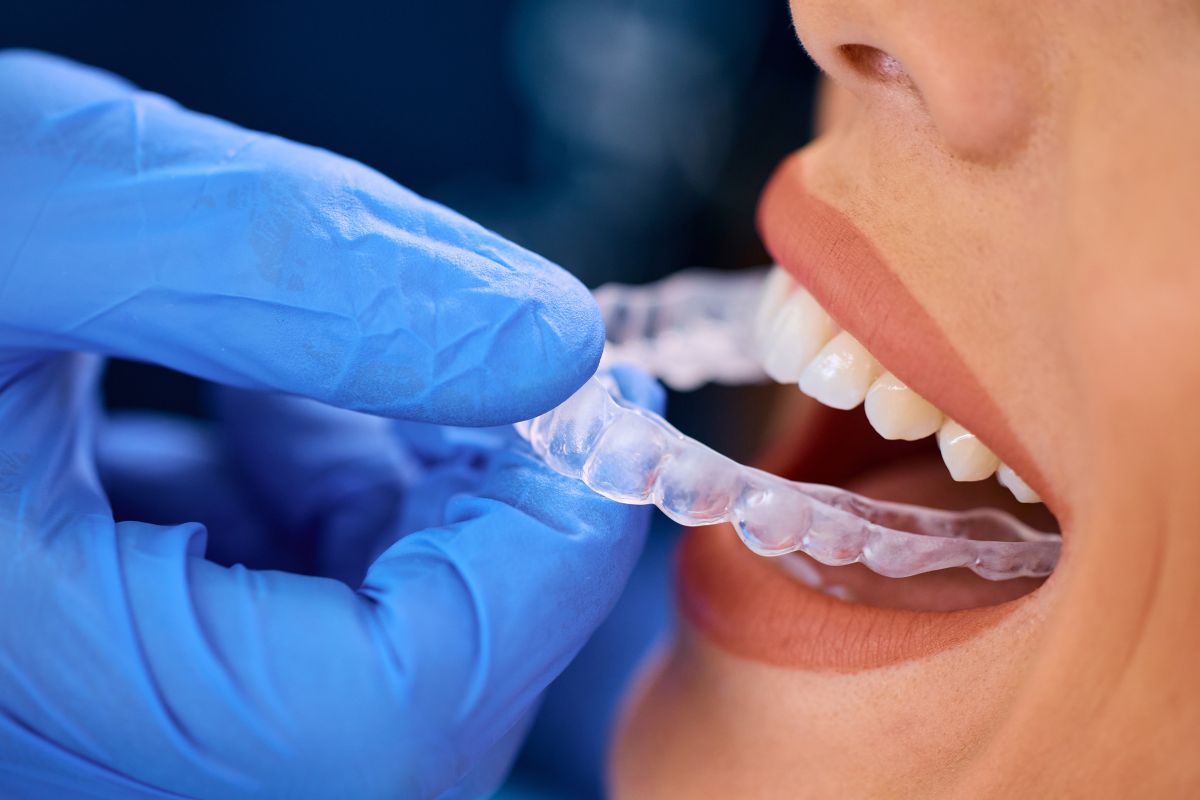
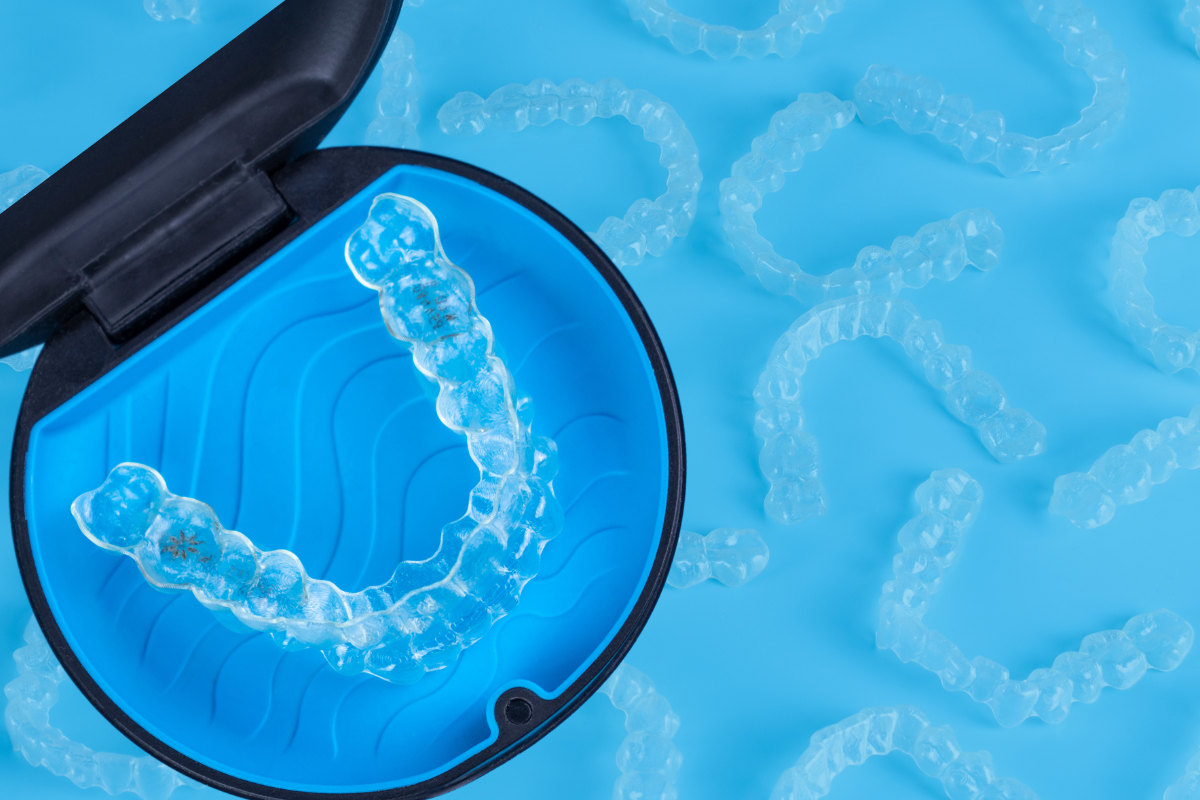
Invisalign uses a series of custom-made, removable aligners designed to shift teeth into the correct position gradually. Invisalign employs precision attachments and elastics to guide teeth and jaws more effectively for severe bite issues.
- Controlled Tooth Movement: Each aligner applies targeted pressure to specific teeth, moving them in small increments for a precise correction.
- Jaw Alignment Assistance: Elastics can be incorporated to help correct overbites or underbites by gradually adjusting jaw position.
- Digital Treatment Planning: Advanced 3D imaging allows your orthodontist to create a detailed treatment plan, showing expected results and aligning complex bite corrections with predictability.
Benefits of Using Invisalign for Severe Bite Problems
- Aesthetic and Discreet: Clear aligners are nearly invisible, making them ideal for adults and teens who want a subtle orthodontic solution.
- Comfortable and Removable: Unlike traditional braces, aligners are smooth, reducing irritation. They are removable for eating and cleaning.
- Improved Oral Hygiene: Because aligners can be removed, brushing and flossing are easier, reducing the risk of cavities and gum issues during treatment.
Limitations to Consider
While Invisalign can correct many severe bite problems, some cases may still require traditional braces or orthodontic appliances, especially when jaw surgery is necessary. Consulting an experienced orthodontist can determine if Invisalign suits your specific condition.
Maximizing Results with Invisalign
- Wear aligners for the recommended 20-22 hours per day.
- Follow your orthodontist’s instructions on using elastics or attachments.
- Attend regular checkups to track progress and make necessary adjustments.
Take Control of Your Oral Health Today
Severe overbites, underbites, and crossbites do not have to be permanent obstacles to a healthy smile. Invisalign treatment can provide an effective, modern solution for many complex bite issues. Combining advanced technology, customized treatment plans, and professional guidance, Invisalign can achieve proper bite alignment while maintaining a discreet appearance.
Ready to show off your best smile? Don’t wait another day! Visit our dental office in Pearland to schedule your Invisalign consultations and take the first step toward a confident, perfectly aligned smile. Your dream smile is closer than you think!
FAQ
1. Can Invisalign fix severe overbites in adults?
Yes, Invisalign can correct many severe overbites in adults using attachments, elastics, and digital treatment planning.
2. How long does it take to fix an underbite with Invisalign?
Treatment time varies depending on the severity but typically ranges from 12 to 24 months.
3. Are crossbites treatable with Invisalign?
Many crossbites are treatable with Invisalign, though very severe cases may require additional orthodontic appliances.
4. Is Invisalign painful?
Patients may feel mild pressure when switching aligners, but discomfort is usually temporary and less than that of traditional braces.
5. Do I need to wear Invisalign aligners all the time?
You should wear aligners 20-22 hours per day for optimal results, removing them only for eating and cleaning.