Blog

Losing a tooth is stressful enough without wondering whether your replacement will hold up for the long haul. If you’ve been researching tooth replacement options, you’ve likely come across Dental Implants as the gold standard but how long do they actually last?
The good news is that Dental Implants are one of the most durable and reliable solutions in modern dentistry. With proper care, many patients enjoy their implants for decades, and in many cases, for life. In this post, we’ll break down the real lifespan of Dental Implants, what affects their longevity, and how you can help yours go the distance.
What Are Dental Implants, Exactly?
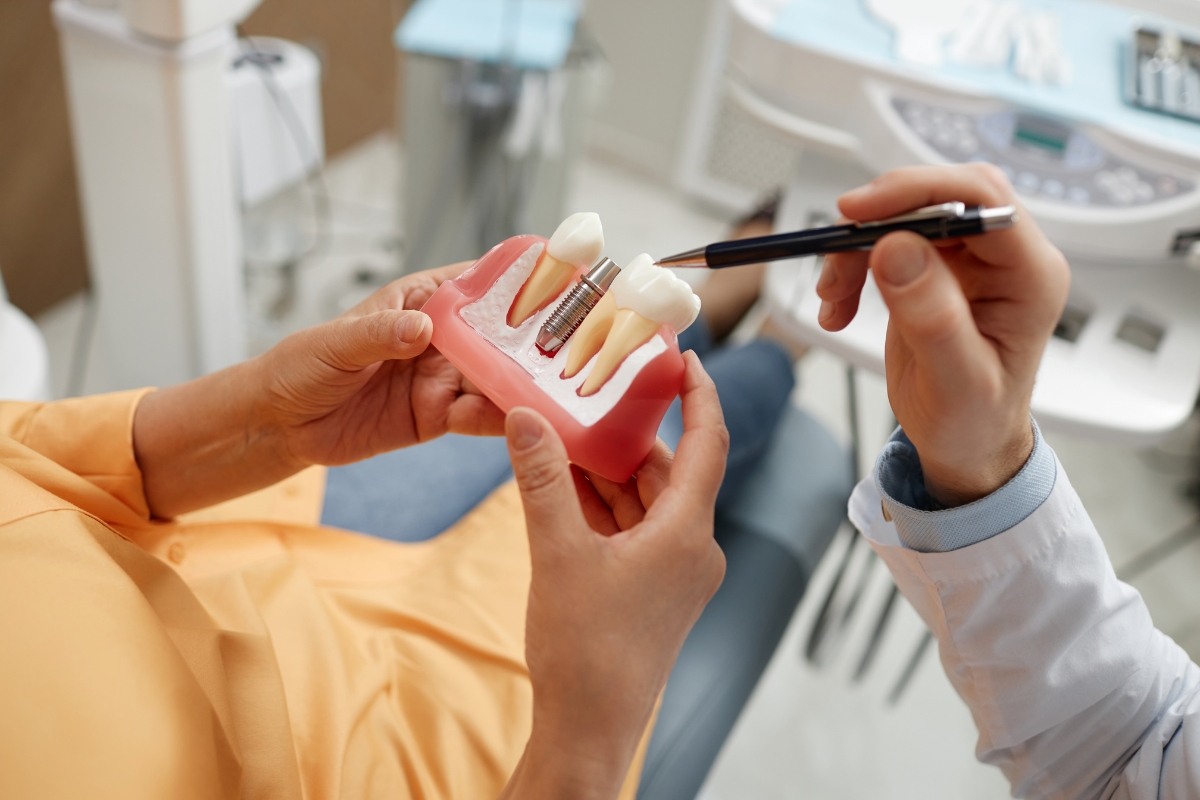
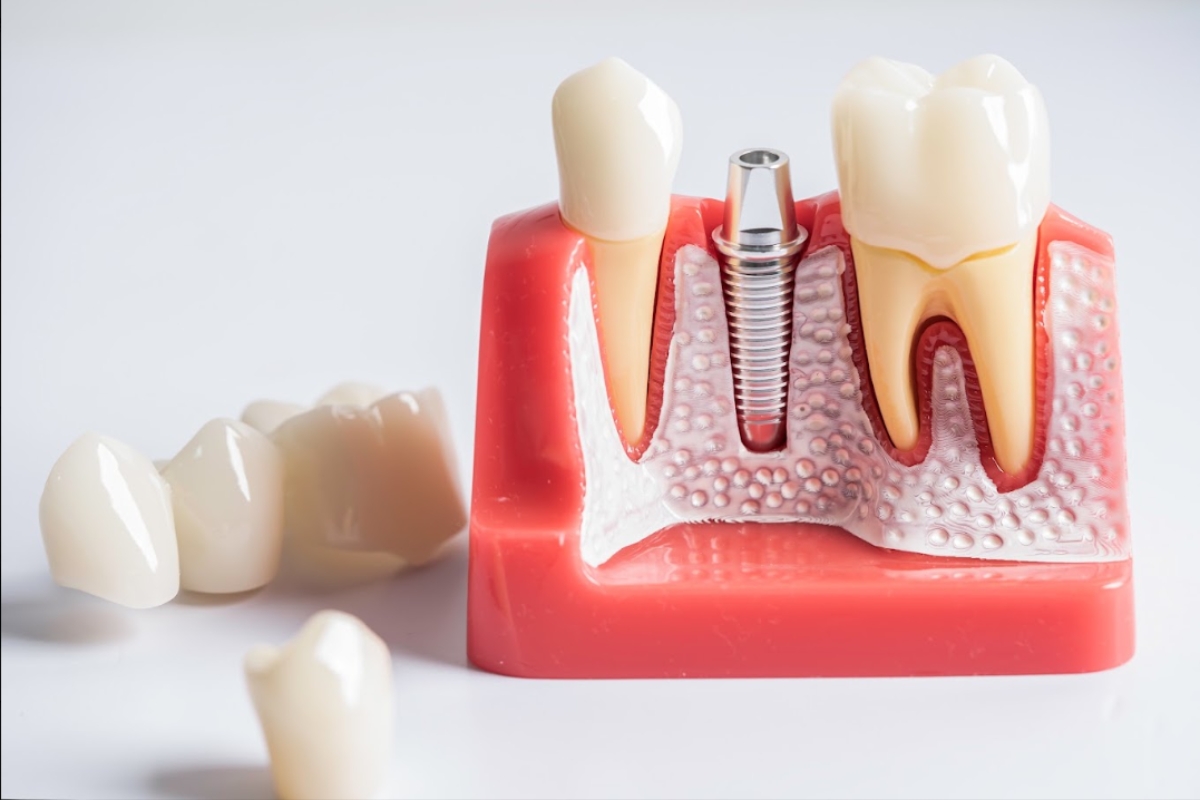
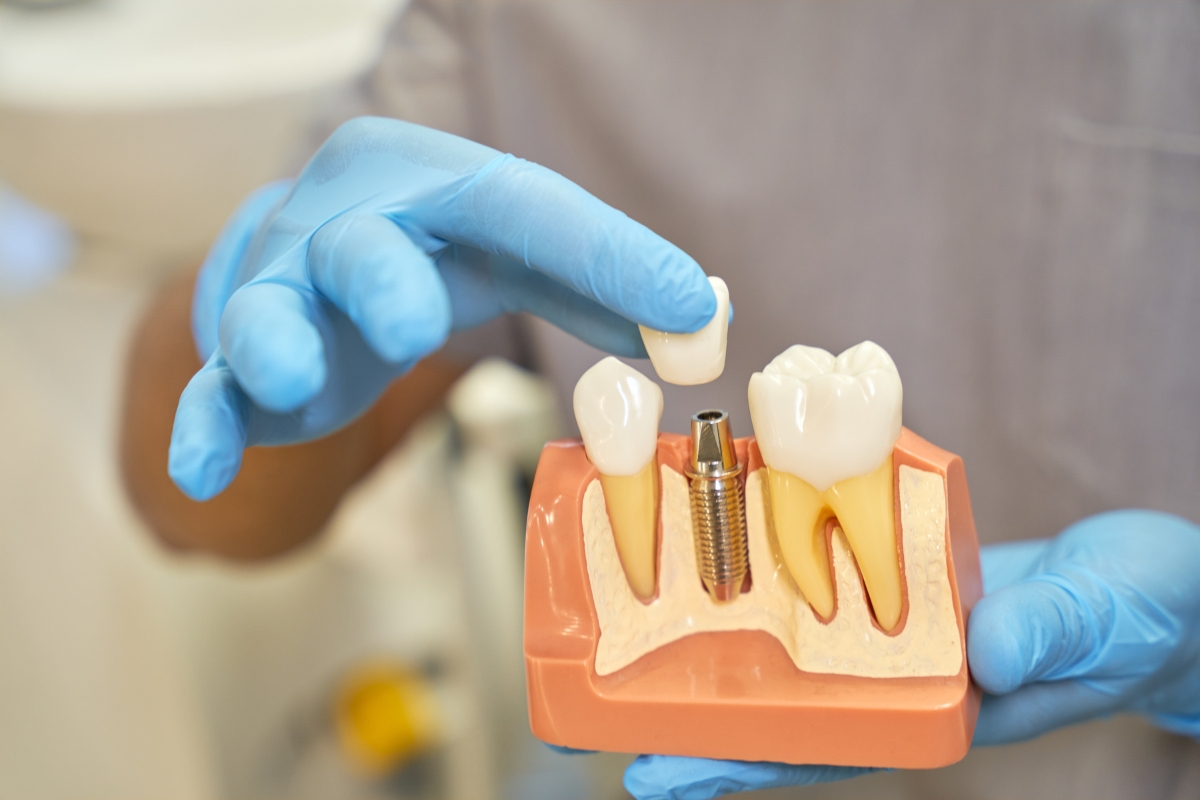
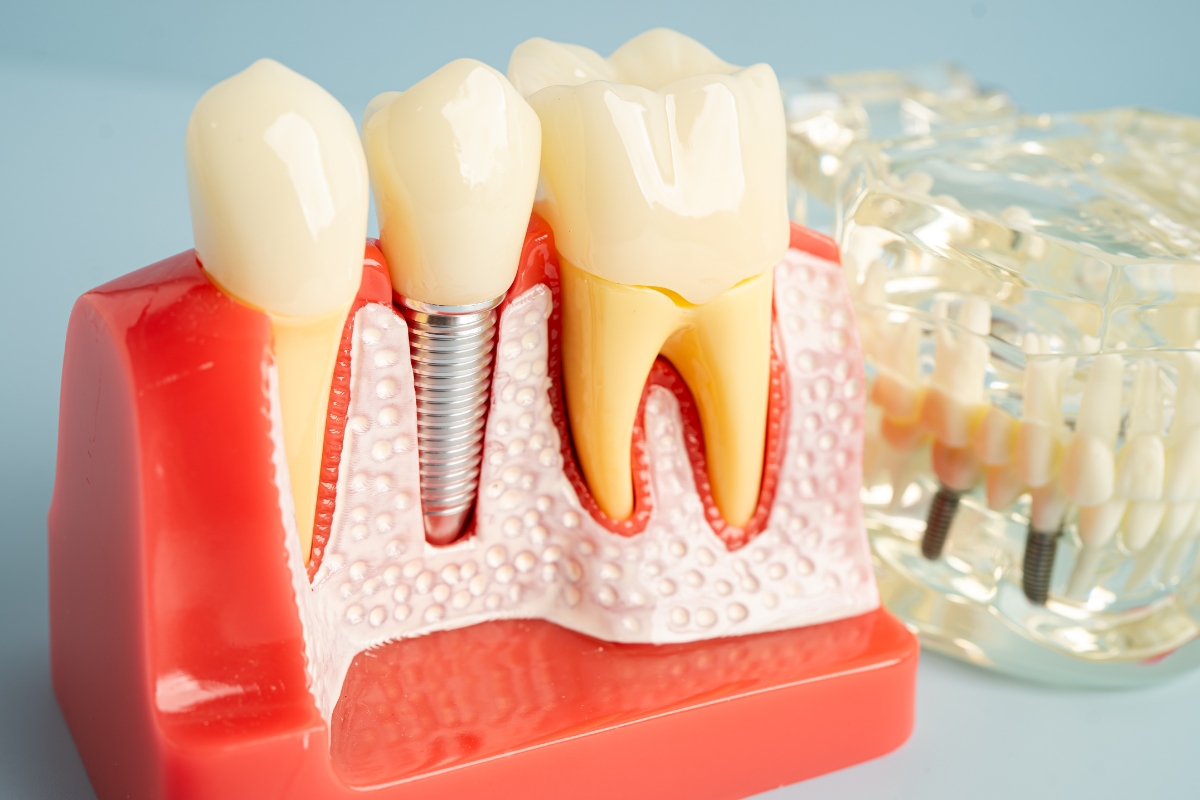
Dental Implants are small titanium (or zirconia) posts surgically placed into the jawbone to act as artificial tooth roots. Once healed, a custom crown, bridge, or denture is attached on top, giving you a natural-looking, fully functional tooth.
Unlike bridges or dentures, implants fuse directly with the bone through a process called osseointegration. This is a big reason why they tend to outlast other tooth replacement options.
So, How Long Do Dental Implants Actually Last?
On average, the implant post itself the part embedded in the jawbone can last 25 years or more, and many patients keep the same implant for their entire lifetime.
The crown attached to the implant has a slightly shorter lifespan, typically 10 to 15 years, before normal wear and tear may require a replacement. Here’s a simple breakdown:
- Implant post (titanium root): 20–25+ years, often a lifetime
- Abutment (connector piece): Usually lasts as long as the implant
- Crown (visible tooth): 10–15 years, depending on care and use
This makes Dental Implants a smart long-term investment compared to bridges (5–15 years) or dentures (5–10 years), which typically need more frequent replacement or adjustment.
Factors That Affect the Lifespan of Dental Implants
While Dental Implants are built to last, several factors influence just how long yours will hold up.
1. Oral Hygiene Habits
Just like natural teeth, implants need daily brushing and flossing. Poor hygiene can lead to a condition called peri-implantitis, an infection that affects the gum and bone around the implant.
2. Bone Health
A strong, healthy jawbone is essential for keeping an implant stable. Patients with sufficient bone density at the time of placement tend to see better long-term outcomes.
3. Lifestyle Choices
Smoking, excessive alcohol use, and teeth grinding (bruxism) can all put extra strain on Dental Implants, potentially shortening their lifespan.
4. Regular Dental Checkups
Routine visits allow your dentist to catch small issues like gum inflammation or a loose crown before they become bigger problems.
5. Quality of Placement
The skill and experience of the dental team placing your implant plays a major role in how well it integrates and how long it lasts.
Tips to Help Your Dental Implants Last Longer
Maintaining your implants doesn’t require anything drastic just consistency. Here are a few simple habits that go a long way:
- Brush twice daily with a soft-bristled brush
- Floss daily, using implant-safe floss or a water flosser
- Avoid chewing on hard items like ice or hard candy
- Wear a nightguard if you grind your teeth
- Schedule professional cleanings every six months
- Avoid tobacco products
These small steps can significantly extend the life of your implant and keep your smile healthy for years to come.
Are Dental Implants Worth It Long-Term?
When you consider their durability, natural look, and ability to preserve jawbone structure, Dental Implants often prove more cost-effective over time than repeatedly replacing bridges or dentures. They also help maintain facial structure and prevent the bone loss that commonly occurs after tooth loss.
For many patients, the upfront investment pays off through decades of comfortable, confident chewing and smiling.
Common Patient Questions
Can dental implants fail after many years?
Yes, though it’s uncommon. Implant failure later in life is usually linked to gum disease, bone loss, or trauma rather than a flaw in the implant itself. Regular checkups help catch issues early.
Do dental implants need to be replaced eventually?
The implant post itself rarely needs replacing. The crown on top may need to be swapped out after 10–15 years due to normal wear, similar to a cap on a natural tooth.
Is it painful when a dental implant needs maintenance?
Not typically. Most maintenance involves simple cleanings or minor crown adjustments, which are quick and comfortable.
What happens if I don’t take care of my implant?
Neglecting oral hygiene can lead to gum inflammation or bone loss around the implant, which may eventually cause it to loosen or fail.
Are dental implants a good option for older adults?
Yes. Age alone doesn’t disqualify someone from getting implants. What matters most is having healthy gums and adequate bone density, which your dentist can evaluate.
How do I know if I’m a good candidate for dental implants?
The best way to find out is through a consultation, where your dentist can assess your bone health, gum condition, and overall oral health goals.
Ready to Invest in a Long-Lasting Smile?
Dental Implants offer one of the most durable, natural-feeling solutions for replacing missing teeth often lasting decades with the right care. If you’re considering implants or want to make sure your current ones are in good shape, the team at Sage Dental – Pearland is here to help.
Located in Pearland, TX 77581, our experienced team takes the time to answer your questions and create a personalized treatment plan built around your needs.
Schedule your appointment today and take the first step toward a healthier, longer-lasting smile.