
Blog

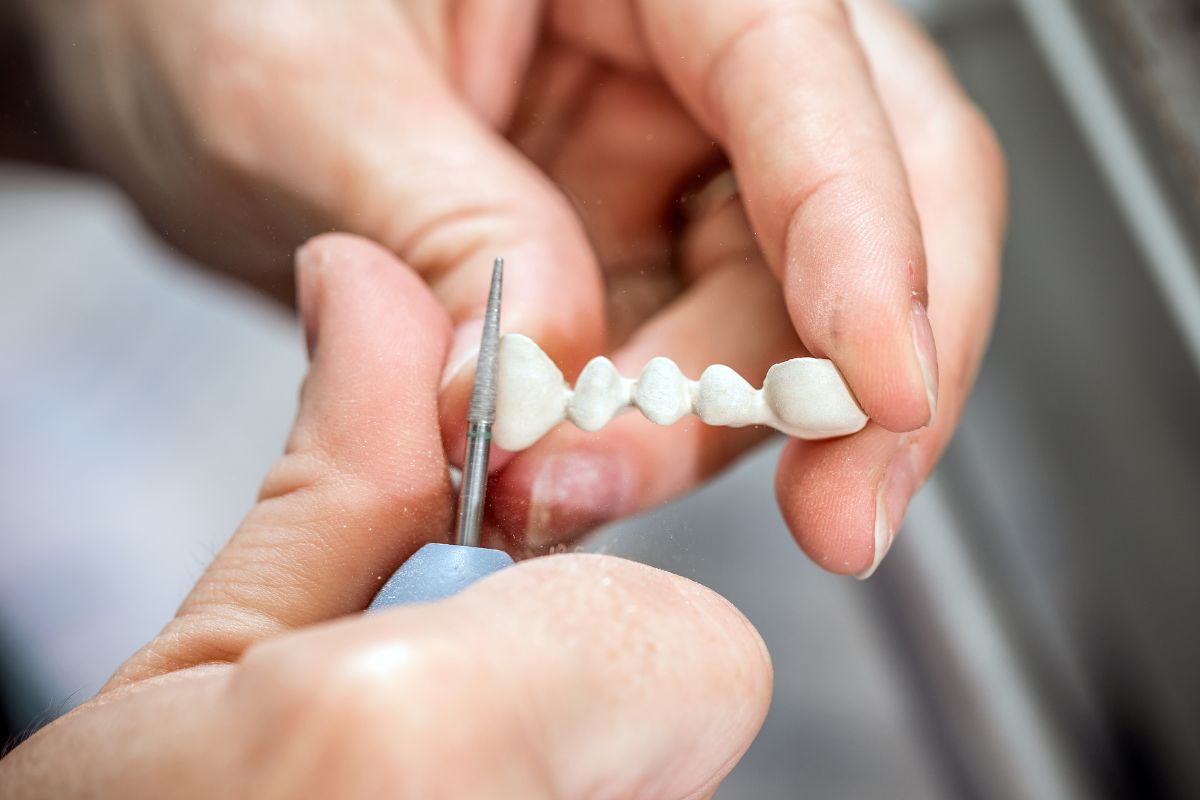
Getting a dental crown is a big step in protecting your tooth and restoring your smile. But after leaving the dental chair, a common question pops up: “How soon can I eat?” Eating too early or the wrong foods can damage your new crown or affect how well it sets. Here’s everything you need to know to enjoy your meals safely after crown cementation.
Understanding Dental Crowns
Dental crowns serve as protective caps for damaged or weakened teeth. They can be made from porcelain, ceramic, metal, or a combination of materials. Crowns are permanently cemented to your tooth, but the cement needs time to harden fully. Following your dentist’s post-procedure instructions is crucial to ensure your crown stays secure and lasts for years.
How Long After a Crown is Cemented Can You Eat?
The answer depends on whether you received a temporary or permanent crown:
- Temporary Crowns: These are designed to protect your tooth until the permanent crown is ready. Avoid chewing for at least a few hours and stick to soft foods. Temporary crowns are more prone to shifting, so extra care is necessary.
- Permanent Crowns: Most dentists recommend waiting at least 1–2 hours before eating soft foods. Hard, sticky, or chewy foods should be avoided for at least 24 hours to allow the cement to set fully.
Several factors can influence this timing, including the type of cement used, the location of the crown, and your bite. Always follow your dentist’s specific instructions.
Foods to Avoid After Getting a Crown
Certain foods can dislodge or damage your new crown:
- Sticky or Chewy Foods: Caramel, chewing gum, or taffy can pull at the crown and loosen it.
- Hard or Crunchy Foods: Nuts, ice, chips, or hard candies can chip or crack the crown.
- Extreme Temperatures: Very hot or cold foods can cause temporary sensitivity, making eating uncomfortable.
Safe Foods to Eat
Stick to soft foods initially to protect your crown:
- Mashed potatoes, yogurt, or oatmeal
- Scrambled eggs or soft pasta
- Smoothies, soups, or well-cooked vegetables
As your tooth adjusts, you can gradually reintroduce regular foods while avoiding habits that put stress on your crown.
What to Do If Your Crown Feels Loose or Sensitive
Some mild sensitivity is normal after cementation, but a loose crown or persistent pain may signal a problem. Watch for:
- A crown that feels wobbly or moves when you bite
- Sharp pain when chewing or in exposed areas around the tooth
- Difficulty closing your bite comfortably
If any of these occur, contact your dentist immediately. Temporary home care solutions, such as soft foods and gentle brushing, can help until your appointment.
Tips for Long-Term Crown Care
Proper care ensures your crown lasts for years:
- Brush and Floss Carefully: Use a soft-bristled toothbrush and avoid snapping floss under the crown.
- Avoid Harmful Habits: Don’t bite your nails, chew ice, or use your teeth as tools.
- Regular Dental Check-Ups: Routine visits allow your dentist to monitor your crown and catch potential issues early.
After getting a dental crown, patience is key. Wait at least a few hours before eating soft foods, and avoid hard, sticky, or extreme-temperature foods for 24 hours. Following these tips will help ensure your crown is set correctly and lasts for years, protecting your natural tooth and keeping your smile healthy.
Have Questions About Your New Crown? Schedule a Visit Today!
If you recently had a crown placed or are experiencing discomfort, our dental experts at Sage Dental-Pearland are here to help. Serving Pearland, TX, and nearby areas like Friendswood, Alvin, Manvel, and League City, we ensure your crown care is smooth, safe, and stress-free. Book your appointment today and enjoy your new smile with confidence!