Blog

Have you ever taken a sip of ice-cold sweet tea on a hot Texas afternoon, only to feel a sudden, sharp zing in your teeth? Or perhaps you’ve noticed your smile looking a little more transparent around the edges lately? These are often the first whispers of enamel erosion.
Your tooth enamel is the hardest substance in the human body—even harder than bone. It serves as the fortress guarding the sensitive inner layers of your teeth. However, despite its strength, it is not invincible. Once it begins to wear away, many patients in our community panic, wondering if they have done permanent damage. The question we hear most often at Sage Dental is: “Can tooth enamel grow back?”
Before we dive into the science of saving your smile, it is important to know who is guiding your dental health journey here in Pearland.
Meet Dr. Quinton Parks: A Foundation of Expertise and Compassion
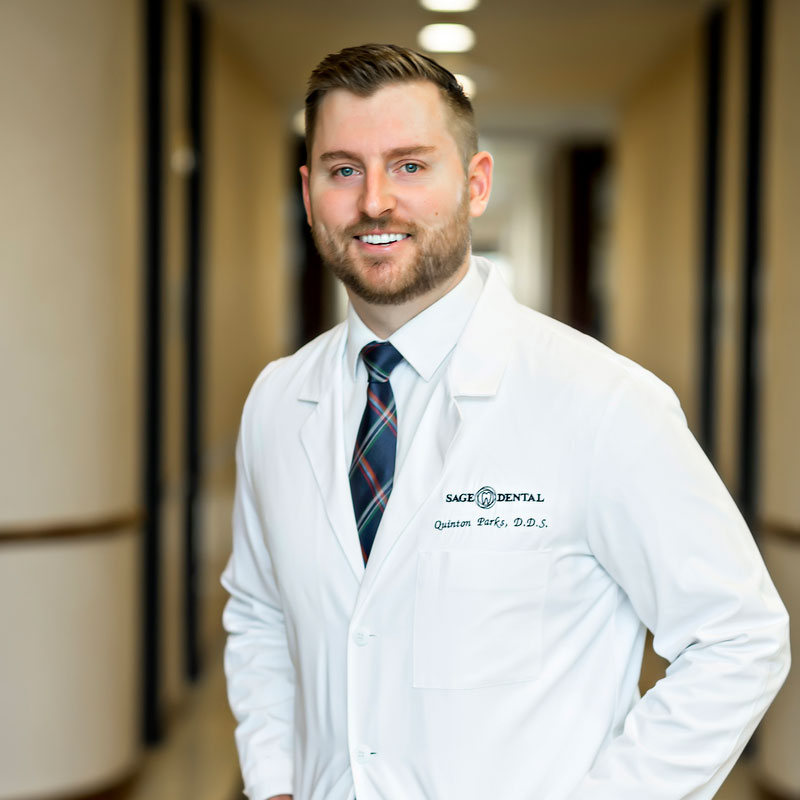
At Sage Dental, your care is led by Dr. Quinton Parks, a dentist who brings a unique depth of experience to Pearland. Dr. Parks grew up across the West—in Reno, NV, San Diego, CA, and Denver, CO—before making his mark in Texas. His journey to dentistry began even before dental school; Dr. Parks worked as a dental lab technician for ClearChoice Dental Implant Centers in Denver. There, he handcrafted custom dental crowns, dentures, and implants, giving him a profound understanding of the structural artistry required to repair tooth enamel.
Dr. Parks earned his Doctor of Dental Surgery degree from the University of Colorado School of Dental Medicine. During his studies, he distinguished himself as an active member of the Alpha Omega dental fraternity and Omicron Kappa Upsilon, the national dental honor society. Today, he combines that academic excellence with a genuine passion for people. Dr. Parks takes pride in providing patients with the best possible dental care while ensuring a pleasant experience. He treats every patient with respect and compassion, viewing everyone who walks through our doors as part of his dental family.
Outside the office, Dr. Parks is a dedicated family man. He and his wife, Jordan, are parents to six children, including identical twin boys. Whether he is coaching Little League baseball, playing golf, or spending time on the water wakeboarding and skiing, he understands the busy lifestyles of Pearland families.
The Hard Truth: Does Tooth Enamel Grow Back?
The short, simple answer is no, tooth enamel does not grow back.
Unlike your skin or your bones, tooth enamel does not contain living cells. Therefore, your body cannot regenerate it once it is lost. If you chip a tooth or acid erodes the surface, that physical structure is gone forever.
However, this does not mean your smile is doomed. While you cannot “regrow” enamel, you can remineralize it. Remineralization is a natural process where your teeth absorb essential minerals like calcium and phosphate to strengthen the remaining enamel. Think of it as patching a pothole in a road; you aren’t building a new road, but you are reinforcing the existing structure to prevent further damage.
How to Restore Tooth Enamel Naturally (Remineralization)
If you catch enamel erosion early, you can halt the damage and strengthen your teeth. Here’s how you can support your smile’s natural defenses:
1. Prioritize Fluoride
Fluoride is a superhero for your teeth. It binds to the enamel, making it more resistant to acid attacks.
- Use fluoridated toothpaste: Brush twice daily.
- Drink tap water: Most municipal water supplies contain safe levels of fluoride.
- Ask for professional treatments: During your cleaning at Sage Dental, we can apply a high-concentration fluoride varnish.
2. Watch Your Diet
Living in Pearland, we love our barbecue and Tex-Mex, but acidic foods and sugary drinks are enamel enemies. Bacteria in your mouth feed on sugar and produce acids that eat away at your teeth.
- Limit sugary snacks: Reduce the frequency of snacking on candy or sipping soda.
- Eat calcium-rich foods: Cheese, milk, and leafy greens promote remineralization.
- Rinse with water: After drinking coffee, wine, or citrus juices, swish with water to neutralize the pH in your mouth.
3. Address Dry Mouth
Saliva is your mouth’s natural mouthwash. It washes away food particles and deposits minerals back into your teeth. If you suffer from dry mouth, chew sugar-free gum containing Xylitol to stimulate saliva flow.
When Remineralization Isn’t Enough: How We Repair Tooth Enamel
For patients with moderate to severe enamel loss, simple lifestyle changes may not suffice. When the damage affects the structure or aesthetics of the tooth, a dentist near Pearland like Dr. Parks can intervene with restorative treatments.
- Dental Bonding: We apply a tooth-colored resin to the surface of the tooth. This covers worn areas, protects sensitive dentin, and restores the tooth’s shape.
- Porcelain Veneers: These are thin, custom-made shells that cover the front surface of the teeth. They are excellent for hiding discoloration and minor chips caused by erosion.
- Dental Crowns: If a tooth has lost significant enamel and is at risk of fracturing, a crown acts as a “helmet,” covering the entire tooth to provide strength and protection.
Why Pearland Residents Trust Sage Dental
Finding a Pearland dentist who listens is crucial. At Sage Dental, we know that dental anxiety is real. You might worry that it’s “too late” to fix your teeth or fear judgment about your oral health. Dr. Parks’ background as a dental technician means he understands the materials and mechanics of your teeth better than most. We combine this technical skill with a fun, interactive, and affordable approach.
We utilize advanced technology to detect early signs of wear that you might miss in the mirror. By catching these issues early, we save you time, money, and discomfort down the road.
A Local Success Story
“for what I needed done the office was professional and had great advise and extpertise. I do not like going to the dentist/oral doctor but you have to do what is necessary. Sage dental put my mind at ease. Would recommend Sage dental for all your oral needs.”
— R. Valdez
Take the First Step Toward a Stronger Smile
You don’t have to live with sensitivity or the fear of crumbling teeth. While enamel doesn’t grow back, the team at Sage Dental can help you preserve what you have and restore what you’ve lost. Dr. Parks and his staff maintain a steadfast commitment to your oral health, ensuring you leave our office with confidence.
Ready to protect your smile?
Don’t let erosion steal your shine. Schedule your appointment with Dr. Parks today.
Frequently Asked Questions
1. Does tooth enamel grow back if I use special toothpaste?
No, tooth enamel cannot grow back once it is physically lost because it contains no living cells. However, specialized toothpaste containing fluoride and minerals can help restore tooth enamel naturally by strengthening the remaining structure through a process called remineralization.
2. What are the signs of enamel erosion?
Common signs include increased sensitivity to hot or cold drinks, a yellowish appearance (as the underlying dentin shows through), rounded edges on your teeth, and small chips or cracks. If you notice these issues, see a dentist near Pearland immediately.
3. Can I repair tooth enamel naturally with diet?
You can support the strengthening of your enamel through diet, but you cannot regrow it. Eating foods rich in calcium (like cheese and yogurt) and phosphorus (like lean meats and eggs) helps remineralize teeth. Avoiding frequent sugary and acidic snacks is equally important.
4. How does a dentist repair tooth enamel that is severely damaged?
If the enamel is too far gone for remineralization, a dentist can use restorative procedures. Dental bonding can cover small areas of wear, while veneers or crowns are used for more extensive damage to protect the tooth and restore its appearance.
5. Is whitening bad for my enamel?
Professional whitening is generally safe for enamel when performed under the supervision of a Pearland dentist. However, overuse of over-the-counter whitening products, especially those with abrasive charcoal or high peroxide levels, can weaken enamel over time. Always consult Dr. Parks before starting a whitening regimen.
6. Does grinding my teeth damage enamel?
Yes, bruxism (teeth grinding) is a leading cause of enamel loss. The constant friction wears down the biting surfaces of your teeth. Dr. Parks can create a custom night guard to protect your teeth while you sleep.
7. Why do my teeth look yellow as I age?
As we age, our enamel naturally thins due to years of wear and tear. This allows the yellowish dentin underneath to show through more clearly. This is a normal process, but treatments like veneers or bonding can restore a youthful white appearance.
8. How often should I see a dentist to prevent enamel loss?
We recommend visiting Sage Dental every six months. Regular checkups allow Dr. Parks to monitor your enamel health, apply professional fluoride treatments, and catch early signs of erosion before they require major repair.