Blog

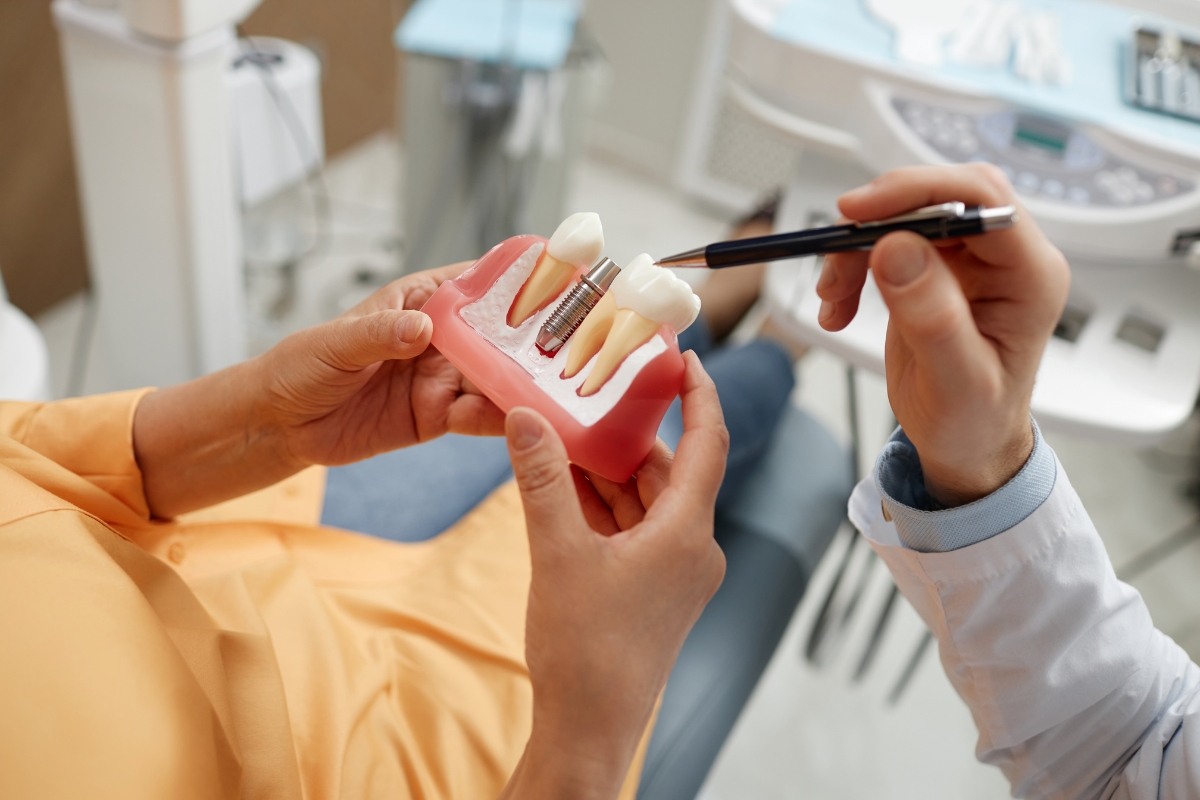
Losing a tooth can feel overwhelming. Beyond the change in your smile, missing teeth affect how you chew, speak, and even how your jawbone maintains its strength. Many patients ask, “When is the right time to get a dental implant?” The timing matters because it can impact the success of your treatment and your long-term oral health.
Why Timing Matters for Dental Implants
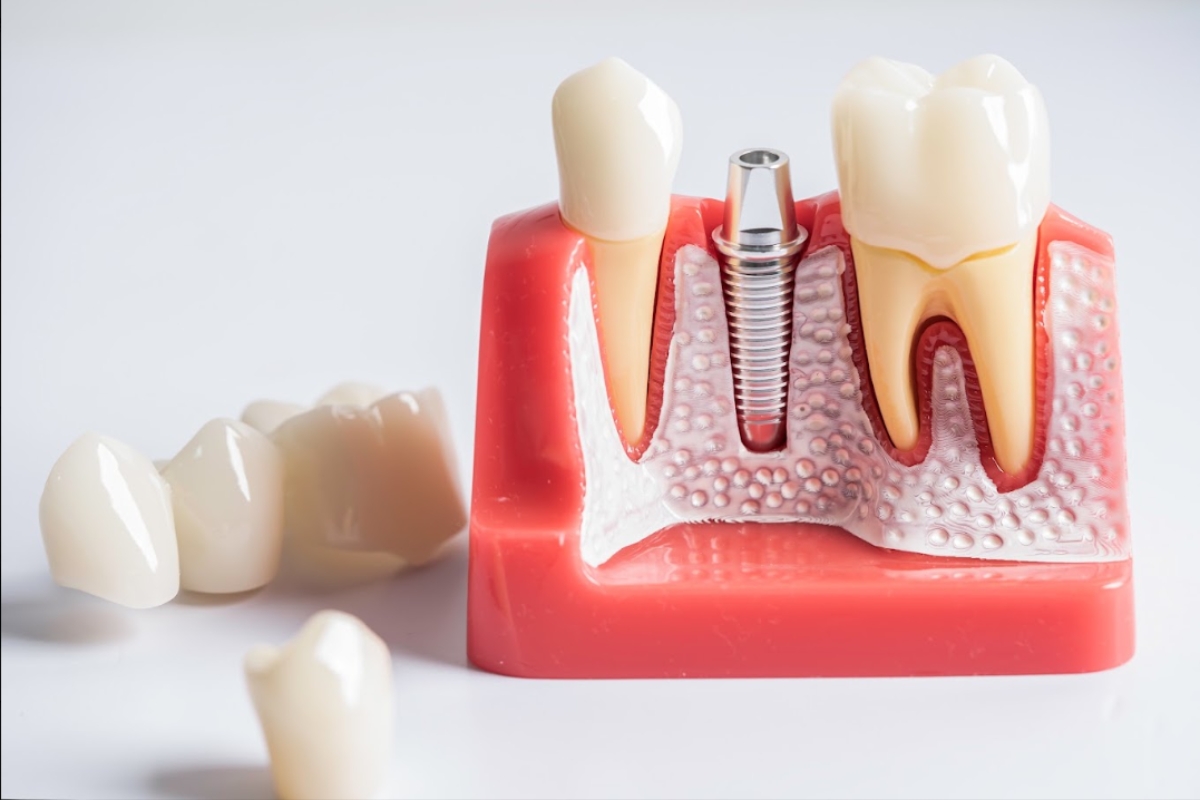
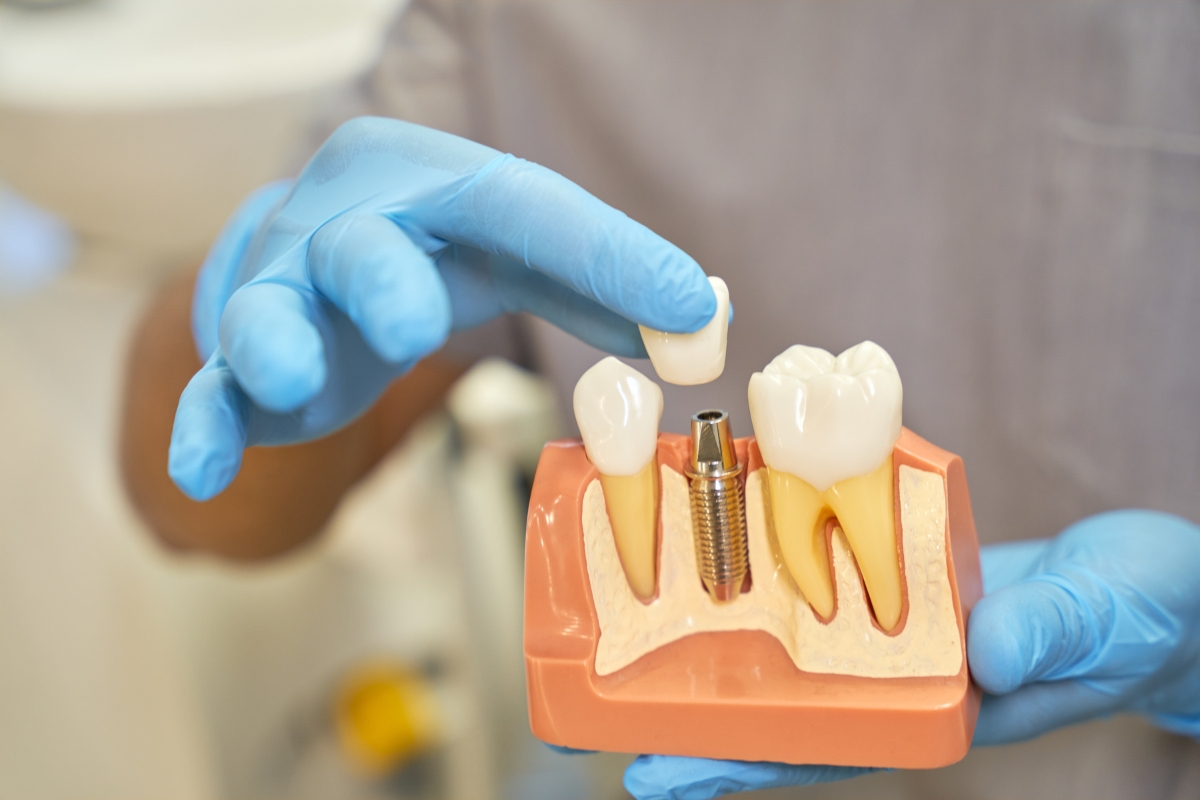
A dental implant procedure restores your smile and protects your oral health. When a tooth is missing, the bone in that area begins to shrink. If you wait too long to replace it, bone loss may progress, making the procedure more complex and requiring additional treatments like bone grafting. Acting at the right time helps ensure stability, comfort, and a natural-looking result.
Immediate vs. Delayed Dental Implant Placement
- Immediate placement: In some cases, dentists can place an implant right after tooth extraction. This works well if your bone and gums are healthy and helps reduce overall treatment time.
- Early placement (a few weeks after extraction): This option allows the extraction site to heal slightly before the implant is placed, giving your gums time to recover while preventing significant bone loss.
- Delayed placement (months later): Sometimes, infection or extensive bone loss requires waiting before the implant can be placed. This may mean additional steps like bone grafting before proceeding.
Your dentist will evaluate your unique case to recommend the best option.
Signs You Shouldn’t Wait Too Long
If you’re wondering whether to schedule your implant now or later, look out for these signs:
- Difficulty chewing food properly
- Changes in your bite or shifting of nearby teeth
- Bone loss is visible on dental X-rays
- Concerns about facial changes or sunken appearance
The sooner you replace the missing tooth, the more you protect your bone health and avoid additional complications.
Factors That Influence Timing
Several factors determine when you should move forward with implants:
- Overall health: Patients in good health typically heal faster and can proceed without long delays.
- Gum condition: Healthy gums create a solid foundation for implants.
- Bone density: Strong bone supports better long-term success. If bone loss has already occurred, grafting may be necessary.
- Age: While implants are not recommended for children or teens with developing jaws, adults of nearly any age can be candidates.
During your consultation, your implant dentist will consider these factors to create a personalized plan.
Benefits of Acting Quickly
Getting implants soon after losing a tooth comes with significant advantages:
- Maintains jawbone strength and prevents bone loss
- Preserves natural facial structure
- Prevents shifting of neighboring teeth
- Restores full function for chewing and speaking
- Enhances confidence with a complete smile
The best time to get a dental implant depends on your oral health and the condition of your gums and bone. Moving forward, soon after losing a tooth provides the best outcome for many patients. Delaying treatment can mean additional procedures and longer recovery times.
FAQs:
1. Can waiting too long affect my dental implant success?
Yes. Delaying implants can lead to bone loss, shifting teeth, and changes in your bite, which may require extra treatments before placing an implant.
2. Do I need a bone graft before getting a dental implant?
If significant bone loss has occurred after tooth extraction, a bone graft may be necessary to provide a stable foundation for your implant.
3. How long does the dental implant procedure take to complete?
The entire process can take several months, including healing time after extraction, implant placement, and crown attachment. Healing and treatment plans vary by patient.
Don’t Wait—Schedule Your Dental Implant Consultation Today
If you’ve lost a tooth and are considering your options, don’t wait until problems worsen. Book our dental implant consultation in Baytown today and take the first step toward restoring your smile and protecting your long-term oral health.