Blog

If you’ve recently had dental implants or you’re considering them one of the first questions on your mind is probably: “When can I eat normally again?” It’s a completely valid concern. After all, food is one of life’s greatest pleasures, and the thought of months of restricted eating can feel daunting.
The good news? With the right care and a little patience, chewing after dental implant surgery returns to full, comfortable function for the vast majority of patients. Understanding the recovery timeline helps you plan, heal faster, and protect your investment in a healthy smile.
At Sage Dental in Pearland, TX, our team guides patients through every stage of the implant journey including what to expect at the dinner table.
Understanding the Dental Implant Process First
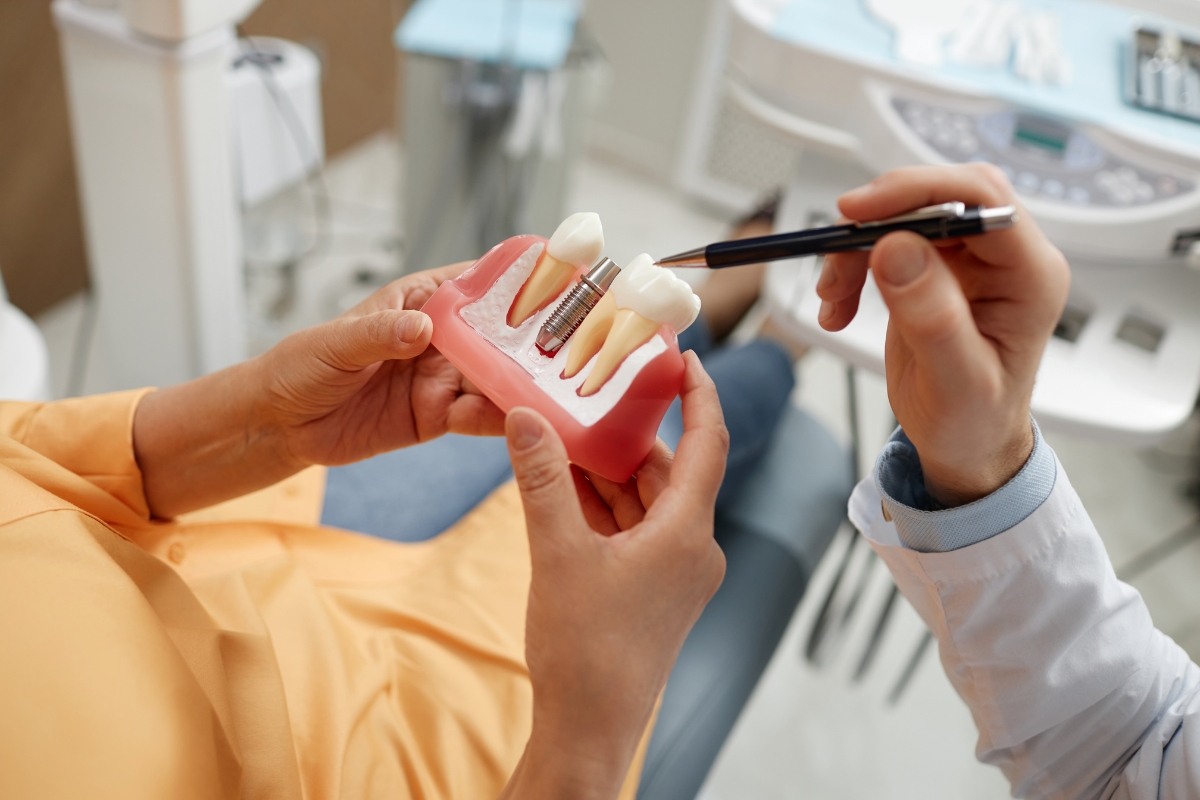
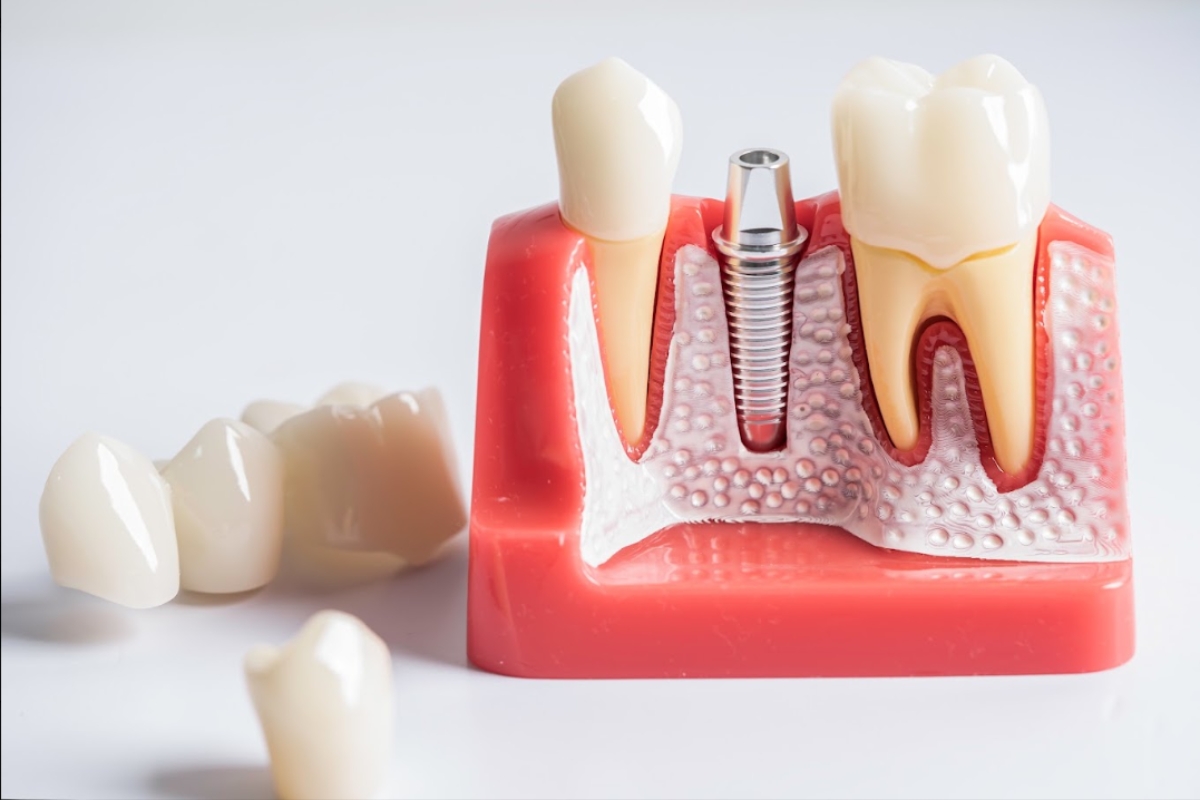
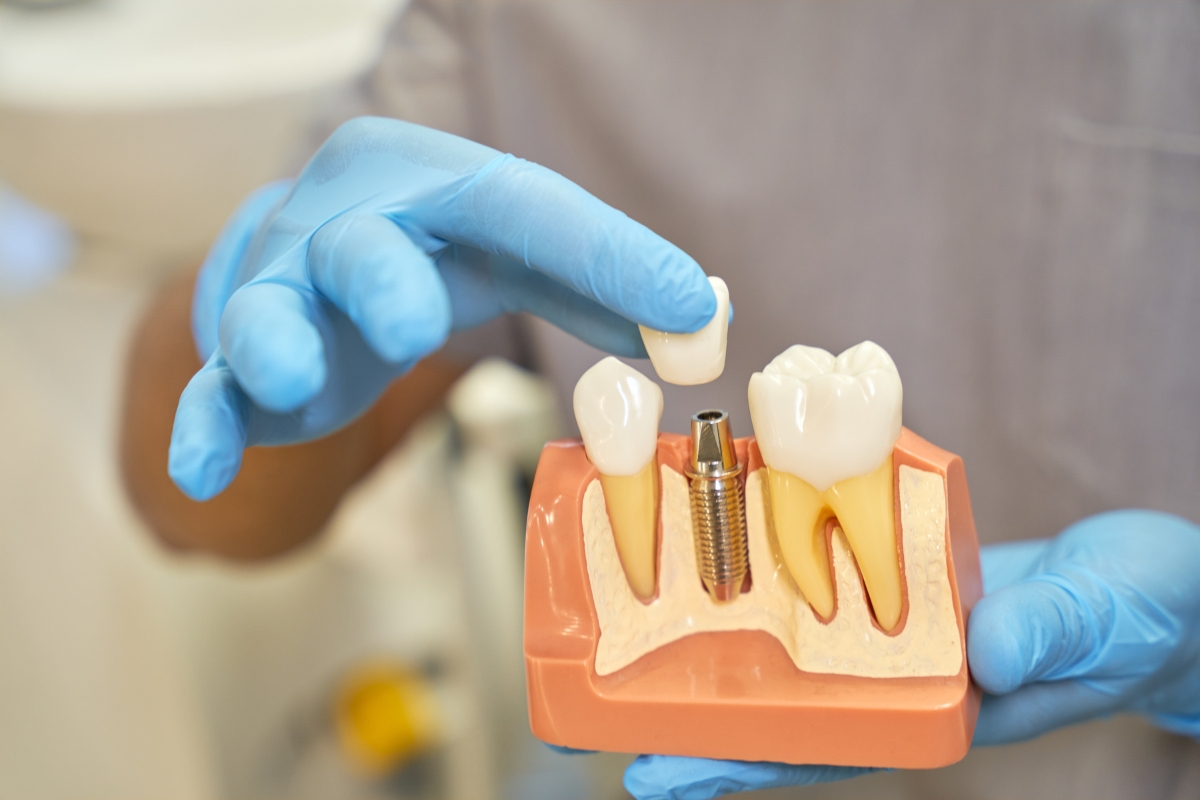
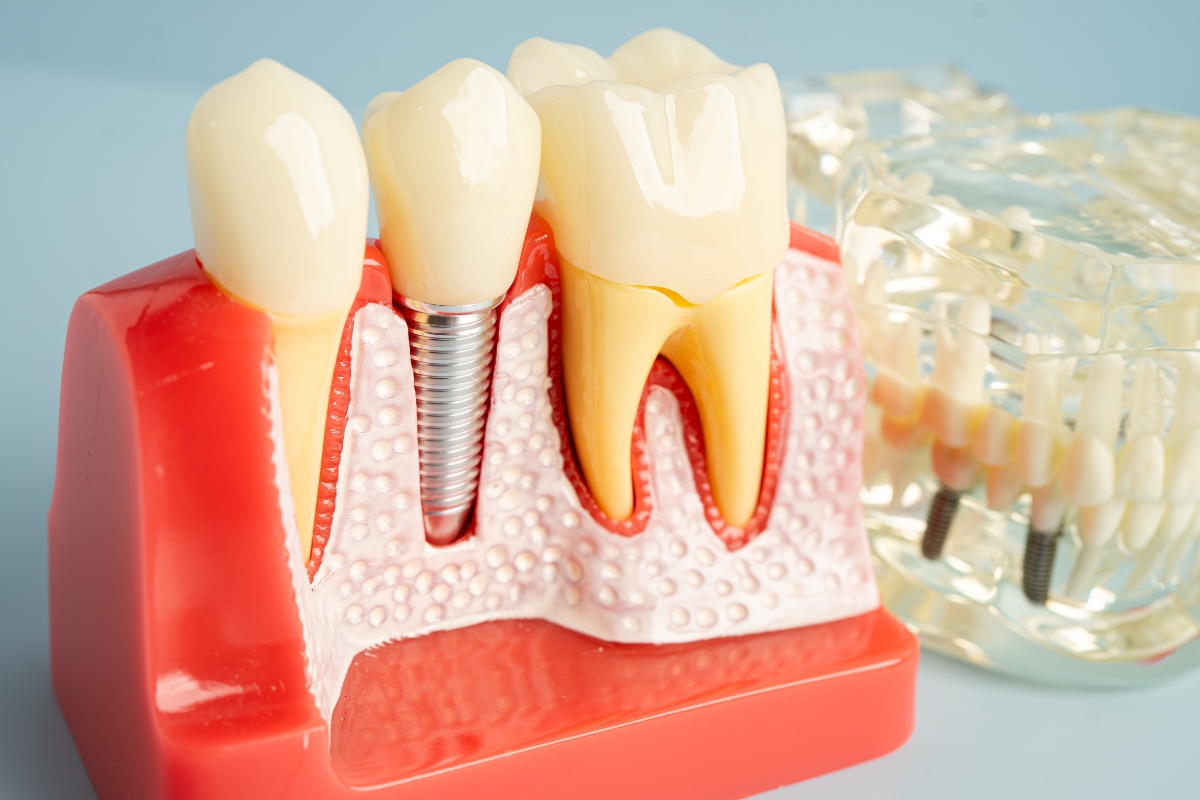
Before diving into timelines, it helps to understand what’s happening beneath the surface. A dental implant is a small titanium post surgically placed into your jawbone, where it serves as an artificial tooth root. Over time, the implant fuses with the bone through a natural process called osseointegration.
This fusion is what gives implants their remarkable strength and stability. But it also means the healing process takes time and your eating habits during recovery play a direct role in the outcome.
The Chewing After Dental Implant Surgery: A Week-by-Week Timeline
Recovery isn’t one-size-fits-all. Factors like your overall health, bone density, the number of implants placed, and how closely you follow post-op instructions all influence healing speed. That said, here’s a general guide to what you can expect:
Week 1: Soft Foods Only
The first week is the most critical. The surgical site is tender, swelling is at its peak, and the implant hasn’t yet begun to integrate with the bone. During this phase:
- Stick to foods like yogurt, smoothies, mashed potatoes, scrambled eggs, and soup
- Avoid chewing directly on the implant site
- Stay away from anything crunchy, chewy, sticky, or hard
- Avoid extremely hot or cold foods, which can aggravate the area
Think of this week as rest for your mouth. The less mechanical stress on the site, the better the foundation for healing.
Weeks 2–4: Gradual Soft Food Expansion
By the second week, most patients notice a significant reduction in discomfort. You can slowly introduce softer, more textured foods but you’re not out of the woods yet:
- Soft-cooked pasta, rice, and cooked vegetables are generally well-tolerated
- Fish and ground meats can be added carefully
- Continue avoiding hard bread, raw vegetables, nuts, and chewy proteins like steak
- Chew on the opposite side of the mouth when possible
Months 1–3: The Osseointegration Window
This is where patience really pays off. The implant post is bonding with your jawbone, building the structural integrity needed to handle normal chewing forces. Most dentists recommend maintaining a modified soft diet and avoiding excessive pressure on the implant throughout this phase.
Some patients feel so comfortable by week three or four that they’re tempted to return to their normal diet too quickly. Resist that urge premature loading of the implant can interfere with osseointegration and compromise the entire procedure.
Months 3–6: The Final Restoration Phase
Once your dentist confirms that osseointegration is complete (typically verified through X-rays), the permanent crown or final restoration is attached. This is the milestone most patients look forward to:
- You can generally begin reintroducing your normal diet
- Start with moderately firm foods and build up gradually
- Most patients are eating completely normally within 6 months of surgery
For patients with full-arch implant restorations or those with more complex cases, full dietary freedom may take a bit longer. Your dentist at Sage Dental will give you personalized clearance based on your healing progress.
Foods to Embrace and Foods to Avoid During Recovery
Foods That Support Healing
- Smoothies and protein shakes
- Oatmeal and soft cereals
- Avocado and bananas
- Steamed or roasted vegetables (soft)
- Eggs in any soft preparation
- Greek yogurt and cottage cheese
- Broths and pureed soups
- Soft fish like tilapia or salmon
Foods to Avoid Until Cleared by Your Dentist
- Hard candies, nuts, and popcorn
- Crusty bread and bagels
- Raw apples, carrots, and celery
- Chewy meats like beef jerky or steak
- Sticky foods like caramel or gummy candies
- Carbonated drinks in the first few days
- Alcohol (interferes with healing and some medications)
Tips to Speed Up Recovery and Protect Your Implant
Healing well is about more than just diet. These habits make a meaningful difference:
- Keep the area clean follow your dentist’s instructions for rinsing and brushing around the implant
- Avoid smoking tobacco significantly slows healing and increases implant failure risk
- Rest adequately your body heals fastest when you’re not overextended
- Attend all follow-up appointments your dental team monitors healing at key milestones
- Manage swelling ice packs in the first 24–48 hours reduce inflammation
- Take prescribed medications as directed, including antibiotics if prescribed
What Happens If You Chew Too Soon?
Applying too much bite force before the implant has fully integrated can cause micro-movements of the post within the bone. This can disrupt osseointegration, leading to implant instability or in some cases, implant failure. That’s why the recovery guidelines exist: not to be overly cautious, but to protect the long-term success of a significant investment in your oral health.
If you ever feel unusual pain, looseness, or discomfort in the implant area, contact your dentist right away. Catching a problem early almost always leads to a better outcome.
Real Questions Patients Ask About Eating After Implants
How long will I need to eat soft foods after getting a dental implant?
Most patients follow a soft food diet for about two to four weeks post-surgery, with a gradual return to normal foods over the following months. Full dietary freedom is typically possible once osseointegration is confirmed usually between three and six months after placement.
Can I drink coffee or tea after my implant surgery?
Yes, but hold off for the first 24 hours. Hot beverages can disrupt blood clotting and irritate the surgical site early on. After that, lukewarm coffee or tea is generally fine — just avoid sipping through a straw, as the suction can interfere with healing.
Will my dental implant feel different when I chew compared to a natural tooth?
Initially, yes some patients describe a slightly different sensation. Over time, as the implant integrates and you adjust, most people report that eating with an implant feels very similar to, or even better than, a natural tooth. The implant won’t experience sensitivity to temperature, which many patients actually prefer.
Is it normal to feel some discomfort when chewing in the weeks after surgery?
Mild tenderness is expected, especially in the first week or two. You should not be feeling sharp pain, significant swelling that worsens, or looseness in the implant. If discomfort is severe or persists beyond two to three weeks, reach out to your dental provider for an evaluation.
Can I eat on the side of my mouth with the implant?
During the early healing phase generally the first few months it’s best to chew primarily on the opposite side of the mouth. Once your dentist confirms successful integration and places the final crown, you can distribute chewing forces normally across both sides.
Conclusion: Patience Now Means a Lifetime of Confident Eating
Chewing after dental implant surgery follows a predictable progression from liquids and soft foods in the early weeks to a completely normal diet once osseointegration is complete. By respecting the healing process, following your dentist’s guidance, and paying attention to how your mouth feels, you give your implant the best possible chance of long-term success.
The temporary food restrictions are a small trade-off for a restoration that can last decades with proper care.
Ready to take the next step toward a complete, comfortable smile?
Schedule your consultation today at Sage Dental in Pearland, TX 77581. Our experienced team will walk you through the entire implant process, answer your questions, and create a personalized treatment plan that fits your life. Your future smile is closer than you think.