Blog

If you’ve been told you need a bone graft before dental implant surgery, you’re probably wondering: Is this really necessary? What does it involve? And how long will it add to my treatment?
You’re not alone. These are some of the most common concerns patients bring to Sage Dental – Baytown. The good news is that a bone graft, when needed, is a routine and highly effective step that sets the foundation for a successful, long-lasting dental implant. Understanding why it’s recommended and what to expect can make the entire process feel far less daunting.
What Is a Bone Graft, and Why Does It Matter for Dental Implants?
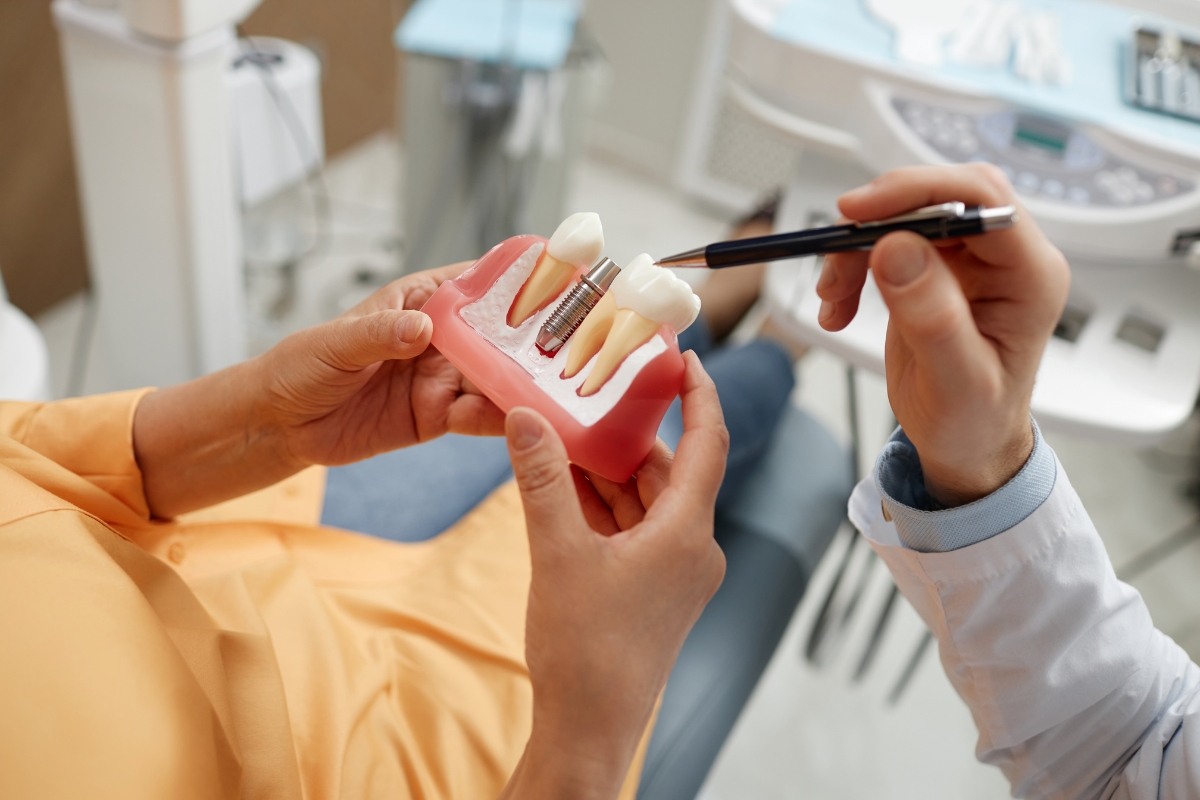
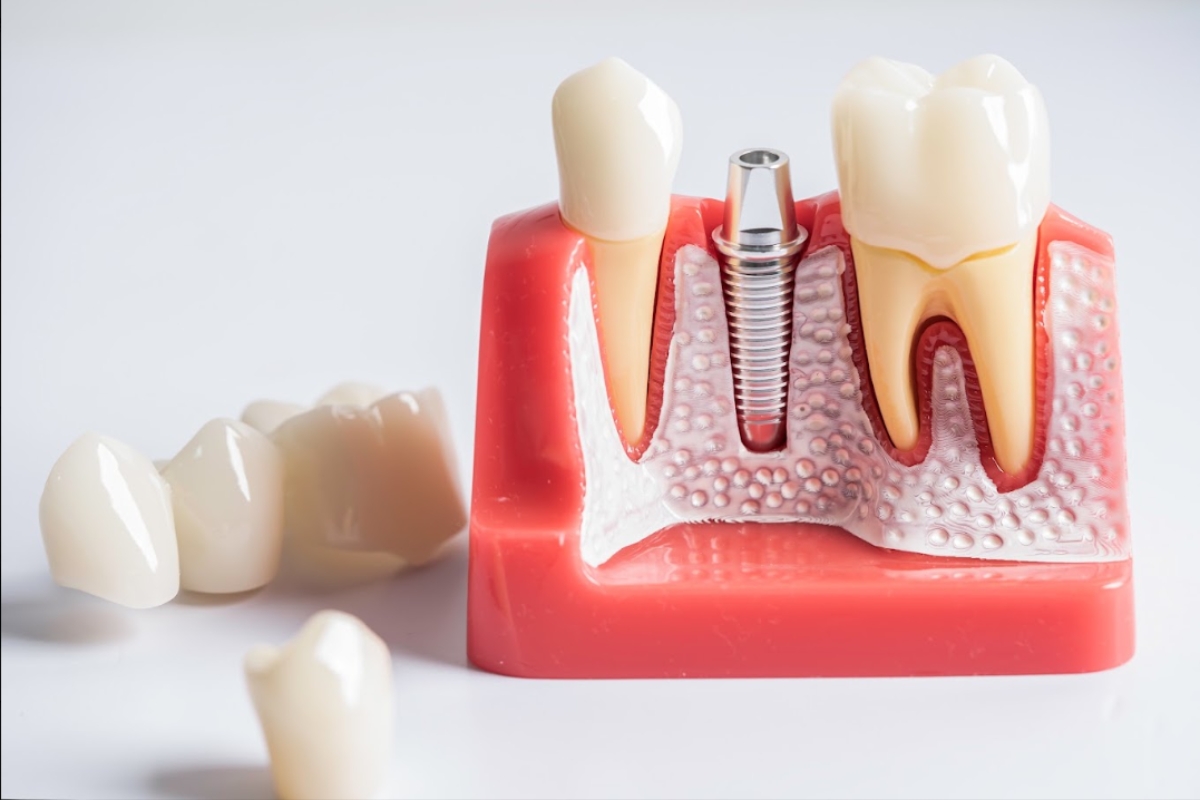
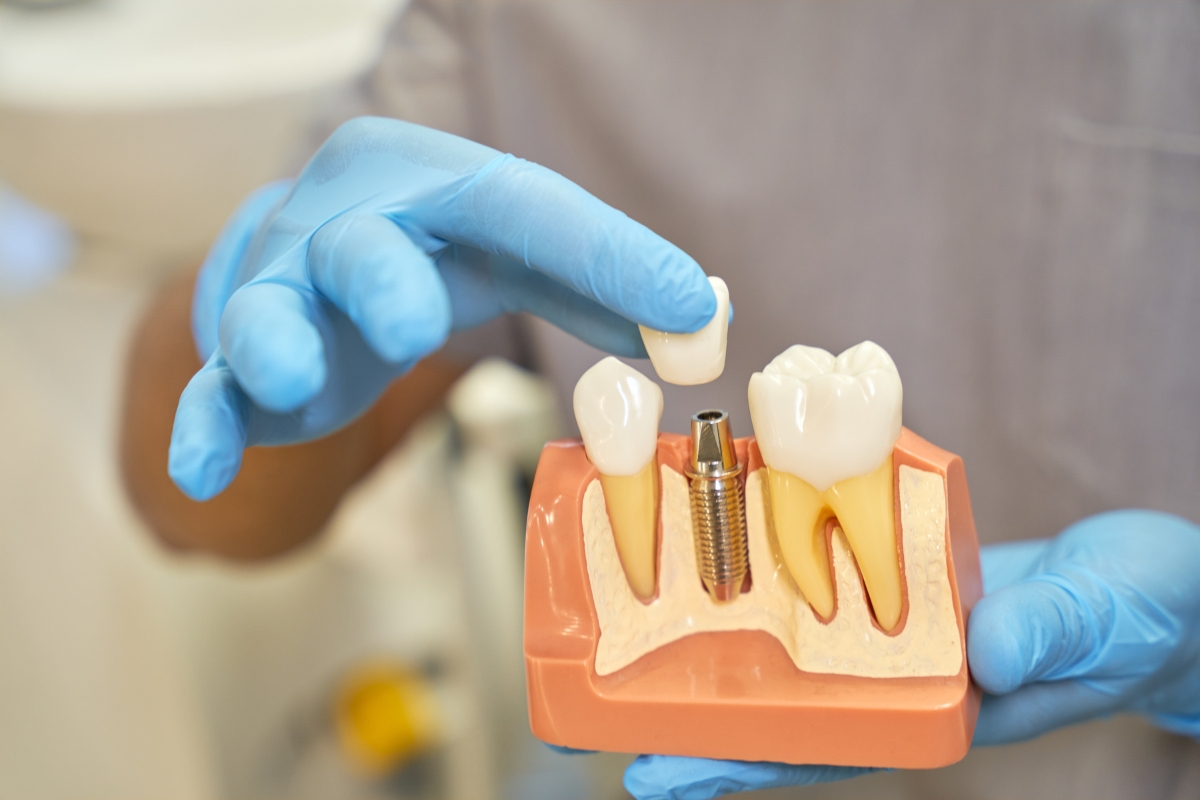
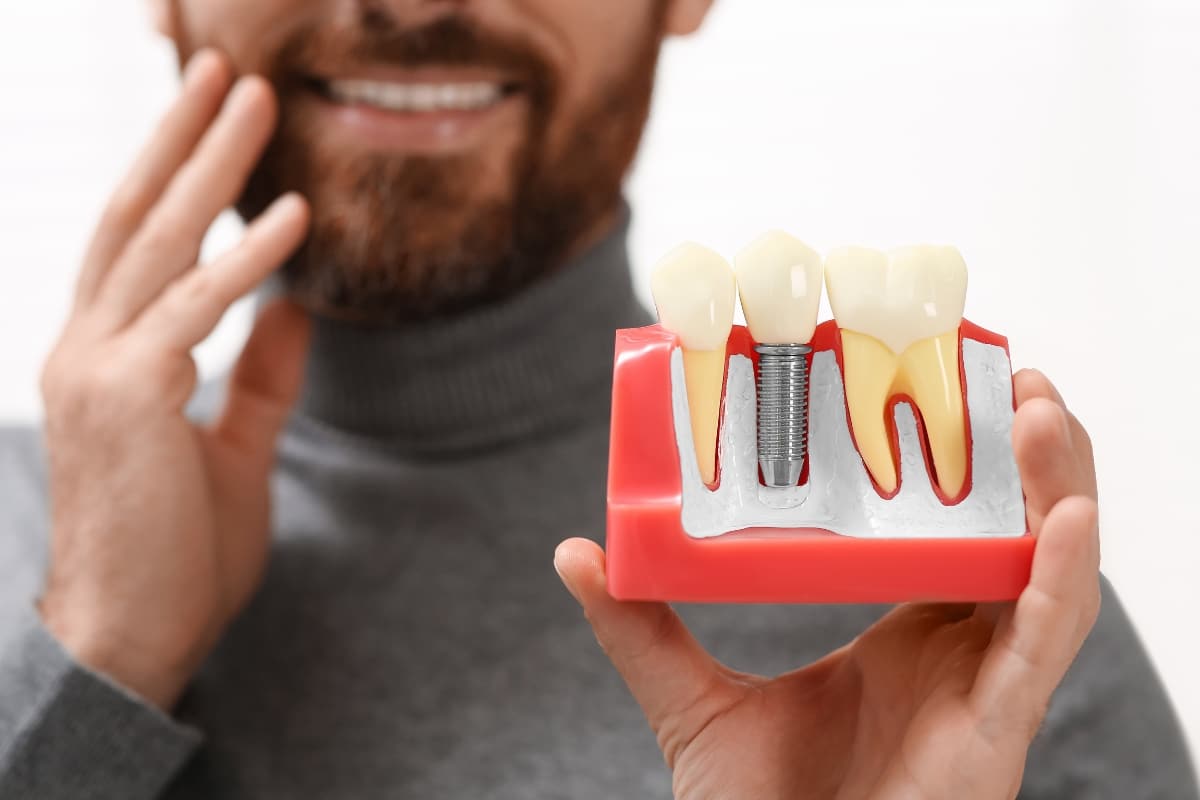
A dental implant is essentially a small titanium post surgically placed into your jawbone. It acts as an artificial tooth root, providing the stability needed to support a crown, bridge, or denture. For this to work, your jawbone needs to be thick and dense enough to hold the implant securely in place.
When that bone density isn’t there, that’s where a bone graft comes in.
A bone graft is a procedure that rebuilds or reinforces the jawbone by adding bone material either from your own body, a donor source, or a synthetic material. Over time, your natural bone fuses with this graft, creating a stronger foundation for dental implant surgery.
Why Might You Need a Bone Graft Before Dental Implant Surgery?
Several factors can lead to insufficient jawbone volume, making a bone graft necessary:
- Tooth loss: When a tooth is removed or falls out, the surrounding bone begins to deteriorate over time a process called bone resorption. The longer a tooth has been missing, the more bone may have been lost.
- Gum disease (periodontitis): Advanced gum disease destroys the bone and tissue that support teeth, often leaving significant gaps in bone structure.
- Trauma or injury: Accidents that affect the jaw can result in bone loss that needs to be restored before implants can be placed.
- Developmental defects: Some patients naturally have a thinner jaw structure that requires augmentation.
Your dentist will evaluate your jawbone using X-rays or a 3D cone beam CT scan to determine whether a bone graft is needed before moving forward with dental implant surgery.
Types of Bone Grafts Used in Implant Dentistry
Not all bone grafts are the same. Your provider at Sage Dental – Baytown will recommend the most appropriate type based on your specific situation:
Autograft
Bone is taken from another area of your own body typically the chin, jaw, or hip. This is considered the gold standard because your own bone integrates most naturally, but it does involve a second surgical site.
Allograft
Bone material sourced from a human donor (processed and sterilized through a bone bank). This eliminates the need for a second surgical site and is widely used with excellent outcomes.
Xenograft
Derived from animal bone most commonly bovine (cow) that has been processed to make it biocompatible. It serves as a scaffold that your body gradually replaces with natural bone.
Alloplast
A completely synthetic option made from materials like calcium phosphate or hydroxyapatite. It’s a good choice for patients who prefer to avoid biological materials.
Each option has its place, and your dental team will walk you through the best fit for your goals and medical history.
What to Expect During and After a Bone Graft Procedure
Bone grafting is typically done under local anesthesia, and many patients report the procedure is more comfortable than they anticipated. Sedation options are also available for those who feel anxious.
After the procedure, you may experience:
- Mild swelling and discomfort for a few days, manageable with over-the-counter pain relief
- Dietary restrictions soft foods are recommended during the early healing phase
- Antibiotics or antimicrobial rinses to prevent infection
The most significant factor is healing time. Depending on the size of the graft, integration can take anywhere from 3 to 9 months before dental implant surgery can proceed. Smaller socket preservation grafts (placed at the time of tooth extraction) tend to heal faster than larger ridge augmentation procedures.
This timeline may feel like a setback, but it’s a critical investment. Rushing the process can compromise the entire implant outcome.
Does Everyone Need a Bone Graft Before Dental Implant Surgery?
Not necessarily. Some patients have naturally adequate bone density and can proceed directly to implant placement without a graft. This is more common when:
- The implant is placed shortly after tooth extraction (immediate placement)
- The patient has never experienced significant bone loss
- A 3D scan confirms sufficient bone volume in the targeted area
That’s why a thorough evaluation is always the first step. At Sage Dental – Baytown, we use advanced imaging to give you a clear, honest picture of what your treatment plan will look like — so there are no surprises along the way.
Is a Bone Graft Worth It?
For patients who need it, absolutely. Skipping a bone graft when bone volume is insufficient can lead to:
- Implant failure or rejection
- Ongoing bone deterioration
- A poor cosmetic outcome
- Costly revision procedures down the road
When done correctly, dental implants supported by a well-healed bone graft can last 20 years or more often a lifetime. The bone graft phase, while it adds time to your journey, dramatically increases the likelihood of a successful, permanent result.
Questions Patients Ask About Bone Grafts and Dental Implants
How do I know if I need a bone graft before getting a dental implant?
The only way to know for certain is through a dental examination and imaging typically an X-ray or 3D CT scan. If your jawbone lacks sufficient volume or density, your dentist will recommend a graft before proceeding with implant surgery.
Will a bone graft be painful?
Most patients are surprised by how manageable the procedure is. Local anesthesia ensures you won’t feel pain during the procedure, and post-procedure discomfort is usually mild and temporary. Your provider will give you clear aftercare instructions and prescribe pain relief if needed.
Can a bone graft and dental implant be done at the same time?
In some cases, yes this is called a simultaneous graft and implant placement. However, it depends on how much bone is present and the stability of the graft material. Your dentist will determine whether this approach is safe and appropriate for your situation.
How long does a bone graft last before I can get my implant?
Healing times vary based on graft size and individual biology, but most patients wait between 3 and 9 months for the graft to fully integrate before dental implant surgery can proceed.
Does insurance cover bone grafts for dental implants?
Coverage varies widely depending on your plan. Some dental insurance policies cover a portion of bone grafting, while others may not. Our team at Sage Dental – Baytown can help you understand your benefits and discuss flexible payment options.
Take the Next Step Toward a Confident Smile
Bone grafts might sound intimidating, but they’re a well-established part of modern implant dentistry and often the key to making dental implant surgery possible. With the right preparation and a skilled dental team, the process is manageable, and the results are well worth it.
At Sage Dental – Baytown, located in Baytown, TX 77521, our team is committed to guiding you through every phase of your implant journey with transparency, expertise, and genuine care.
Schedule your consultation today to find out whether a bone graft is part of your path to a healthier, more complete smile. We’ll review your imaging, explain your options clearly, and build a personalized treatment plan designed around your needs.