Blog

Getting a missing tooth replaced can feel like a big step. Many patients want to know what healing will be like before starting treatment. The good news is that most people recover well with the right care and guidance.
Dental implants are designed to look and work like natural teeth. While the healing process takes time, understanding what to expect can make recovery feel less stressful.
At Sage Dental, many patients in Baytown ask the same question after treatment: “How long will healing take?” The answer depends on your oral health, daily habits, and how well you follow aftercare steps.
Why Healing Matters After Tooth Replacement
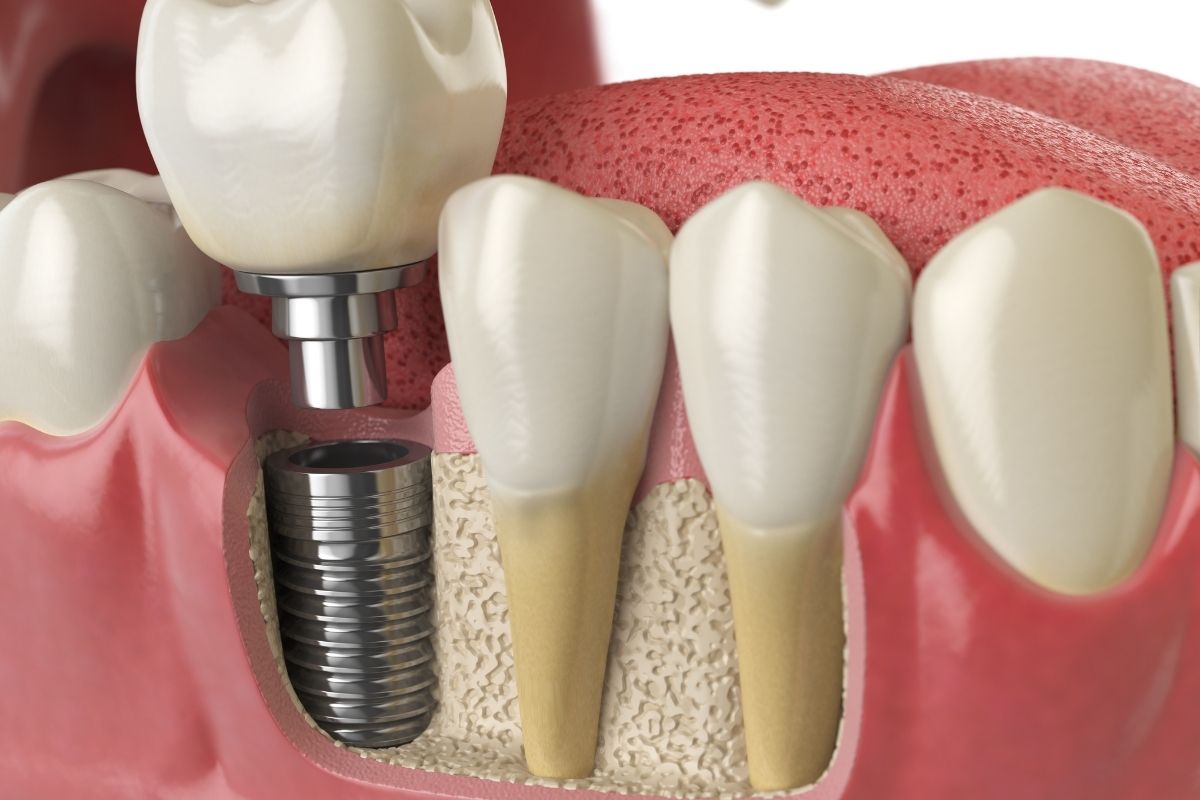
Healing is an important part of the process because the jawbone needs time to bond with the implant. This helps create a stable base for the new tooth.
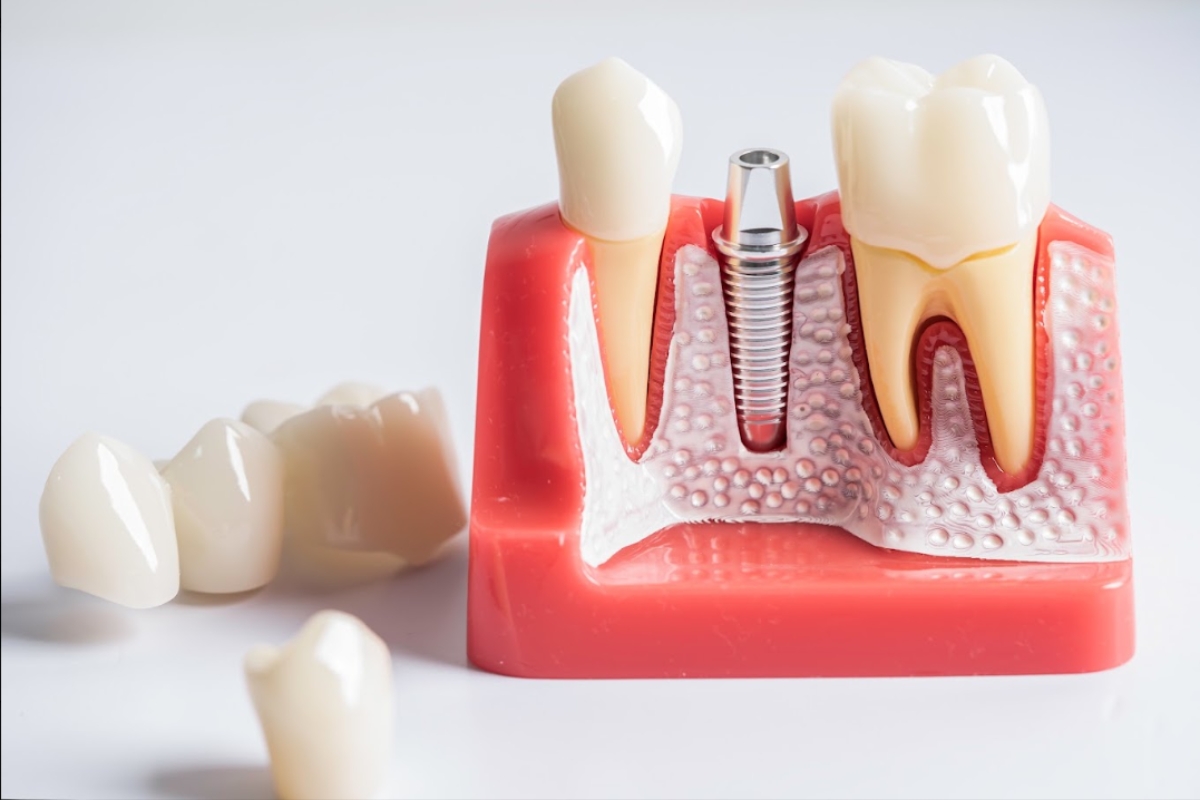
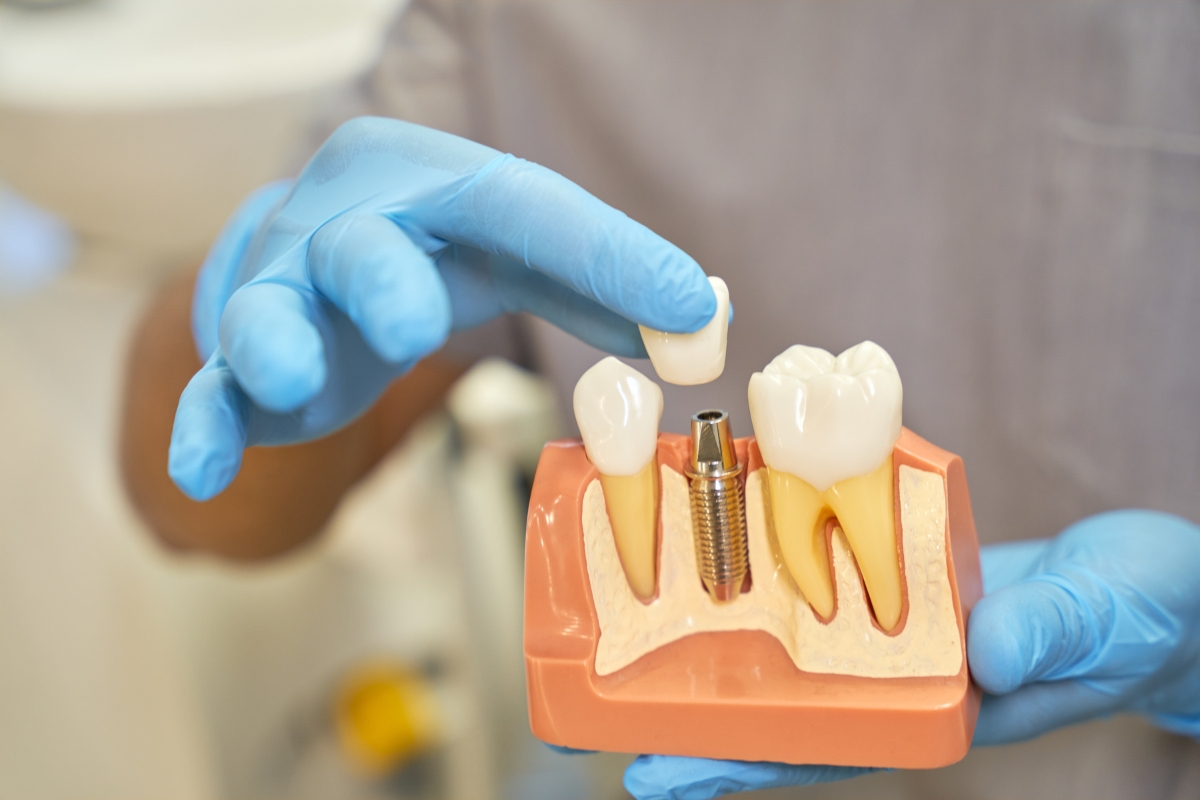
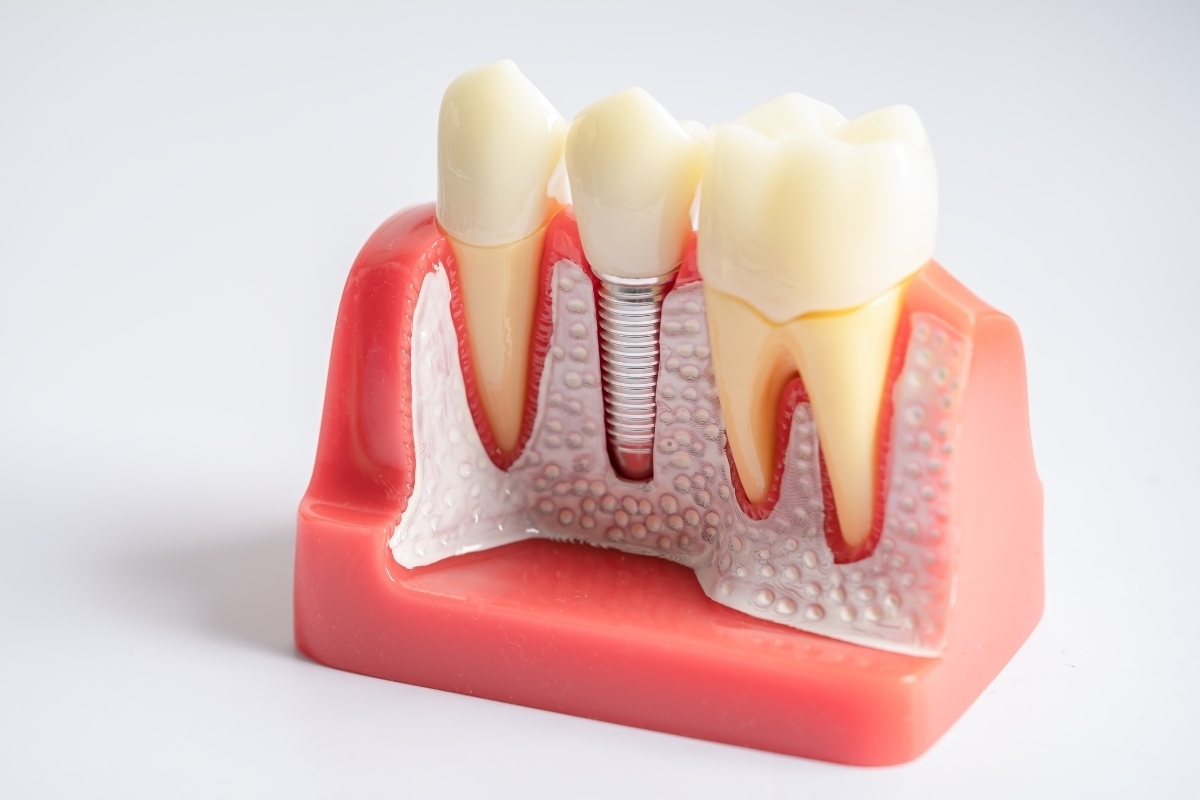
Dental implants work differently than removable tooth replacements because they support the jawbone under the gums. During healing, the bone slowly grows around the implant to help keep it secure.
This process takes patience, but it helps improve long-term comfort and function.
What You May Feel During the First Few Days
Most people notice mild swelling or soreness during the first few days after treatment. This is a normal part of healing.
You may also notice:
- Tender gums
- Mild bleeding
- Jaw stiffness
- Minor discomfort while eating
Many patients in Baytown return to normal daily tasks within a short time. Rest, soft foods, and good oral care often help the area feel better.
If the pain becomes severe or swelling gets worse after several days, it is important to contact a dental professional.
Tips That Can Help You Heal Smoothly
Simple habits can support healing and help protect Dental Implants during recovery.
Follow the Food Guidelines
Soft foods are easier on the mouth during the early healing stage.
Good choices may include:
- Yogurt
- Mashed potatoes
- Soup
- Scrambled eggs
- Smoothies
Crunchy or hard foods may irritate the area too soon.
Keep the Mouth Clean
Gentle brushing and rinsing help reduce bacteria around the healing site. Good oral hygiene is important because healthy gums support Dental Implants over time.
Avoid Smoking
Smoking may slow healing and affect gum health. Many dentists recommend avoiding tobacco products during recovery.
Get Enough Rest
The body heals better when you rest properly. Taking it easy for the first few days may help reduce discomfort.
How Long Does Healing Usually Take?
Healing times vary from person to person.
Some people feel better within days, while the full healing process inside the jawbone can take several months. Over time, the implant becomes more stable within the bone.
Factors that may affect healing include:
- Gum health
- Bone strength
- Smoking habits
- Overall health
- Oral hygiene habits
Patients often ask if Dental Implants feel natural after healing. In many cases, they can feel very close to natural teeth during eating and speaking.
Signs Healing Is Going Well
Healthy healing often includes:
- Reduced swelling over time
- Less soreness each day
- Healthy-looking gums
- Better comfort while chewing
It is normal for healing to happen slowly. Regular dental visits help monitor progress and catch concerns early.
When Should You Call a Dentist?
While mild discomfort is common, certain symptoms may need attention.
You should contact a dental office if you notice:
- Severe pain
- Heavy bleeding
- Fever
- Swelling that worsens
- Trouble biting down
- A loose feeling near the implant
Quick care may help prevent larger problems later.
Daily Care After Healing
Once healing is complete, good home care remains important.
Dental implants need regular brushing and flossing just like natural teeth. Routine dental checkups also help keep the gums and surrounding bone healthy.
Healthy habits can support long-term success and help your smile stay strong for years.
Meet Dr. Manish Shanker

Dr. Manish Shanker completed his Doctor of Dental Surgery degree at UT Health School of Dentistry. He believes every patient deserves personalized care based on their individual needs and comfort.
He takes the time to explain treatment choices clearly and works closely with patients to create the right plan for their oral health goals. At Sage Dental, Dr. Shanker focuses on patient comfort while using modern dental technology to improve care.
Outside of the office, he enjoys spending time with his wife and two children. He also enjoys traveling, movies, and music.
Conclusion
Healing takes time, but understanding the process can help you feel more prepared and confident. Dental implants can restore comfort, improve chewing, and support long-term oral health when cared for properly.
If you have questions about healing or missing teeth, schedule a consultation with Sage Dental to learn more about your options. Our team is here to guide you through every step of your care. You can also contact our Dental office if you would like more information about treatment and recovery.
FAQs
How long does gum soreness usually last?
Most soreness improves within several days, though mild tenderness may last a little longer for some people.
Can I eat normally during recovery?
Soft foods are usually recommended at first. Your dentist may guide you on when to return to harder foods safely.
Is swelling common after treatment?
Yes. Mild swelling is a normal part of healing and often improves within a few days.
What foods should I avoid at first?
Hard, crunchy, or sticky foods may irritate the healing area during early recovery.
Can smoking slow recovery?
Yes. Smoking may affect gum health and slow the body’s healing process.
How do I keep the area clean while healing?
Gentle brushing, careful rinsing, and following your dentist’s instructions can help keep the mouth clean during recovery.